

Public Speaking Fear Survey Template
A public speaking fear survey helps a facilitator understand which parts of an upcoming talk concern the speaker and what practice support they prefer. Use these seven optional questions to plan a conversation and a manageable next step.

A public speaking fear survey helps a facilitator understand which parts of an upcoming talk concern the speaker and what practice support they prefer. Use these seven optional questions to plan a conversation and a manageable next step.
Two people preparing the same talk may want very different support. One may need to organize the opening; another may want a quiet rehearsal before trying an audience. Build this questionnaire in SurveyLegend to ask about the specific speaking situation before choosing an activity.
When to Use This Template
Use this version before an adult speaking workshop, coaching conversation, or voluntary practice session. Keep it separate from audience feedback and from any performance grade. The answers describe preparation needs, not a person's competence or a medical condition. Use open-ended questions to let speakers describe concerns that preset options do not cover.
7 Public Speaking Preparation Questions
Think about one upcoming speaking situation. All questions are optional. Share only what would help plan preparation; there is no score or diagnosis. Do not include medical history or private information about other people. You can discuss your preferences directly with the facilitator instead.
A little feedback. A clearer picture.
Explore this 7-question example at your own pace. Every question is optional.
Public Speaking Fear Survey
Thank you for trying the survey!
You’ve tried the template from the respondent’s side. Make it your own with SurveyLegend.
Create your own surveyChecking submission availability…
This is a demo. We count starts and submissions only. Your answers stay in your browser and are never sent or saved.
Activity · no starts yet
How to Adapt the Questionnaire
State who will read responses and whether the form is private or anonymous. Do not call it anonymous if individual answers are linked to a named coaching plan. SurveyLegend's article on anonymous feedback can help you consider that choice. Name the talk only if useful and avoid collecting medical details. Replace practice options with activities the facilitator can actually offer.
When to Ask
Send the questions early enough to agree on a practice plan rather than immediately before the person speaks. Let the participant decline the survey or any proposed activity. If you ask again later, use the same speaking context and describe changes as the person's report, not proof that a program worked.
How to Use the Responses
Start with the chosen preparation focus and preferred first practice option. Agree one next step with the speaker instead of assigning an activity from the concern rating alone. Compare self-perception with specific, respectfully offered observations only when the speaker wants feedback. Do not total the responses into a fear score or use them to select presenters. Keep individual responses private from the wider group, and do not interpret a blank answer as no concern.
What the Research Adds
Savitsky and Gilovich's 2003 experiments examined the “illusion of transparency” in public speaking: speakers could overestimate how visible their nervousness was. Read the study . This supports keeping a speaker's concern separate from assumptions about what an audience noticed. The study did not validate this questionnaire, and its findings do not mean that every speaker's concern is mistaken or that a practice plan will reduce anxiety.
Frequently asked questions
Is this a clinical anxiety assessment?
No. It is an original preparation questionnaire for adults. It has no diagnostic cutoff, clinical score, or treatment recommendation.
Can a facilitator require participants to share their concerns with the group?
This template is designed for voluntary participation. Explain who reads the answers and allow a private conversation or no response.
Should audience feedback use the same questions?
No. These questions ask the speaker about preparation before a talk. Audience feedback afterward needs separate questions about the presentation they experienced.
Printable Public Speaking Fear Survey
Use the printed questionnaire privately before a coaching conversation. Let the speaker keep their copy if no record is needed, or explain how a returned form will be handled. Leave enough writing space for the two open responses. Paper responses need separate review or manual entry; they do not automatically join online responses.
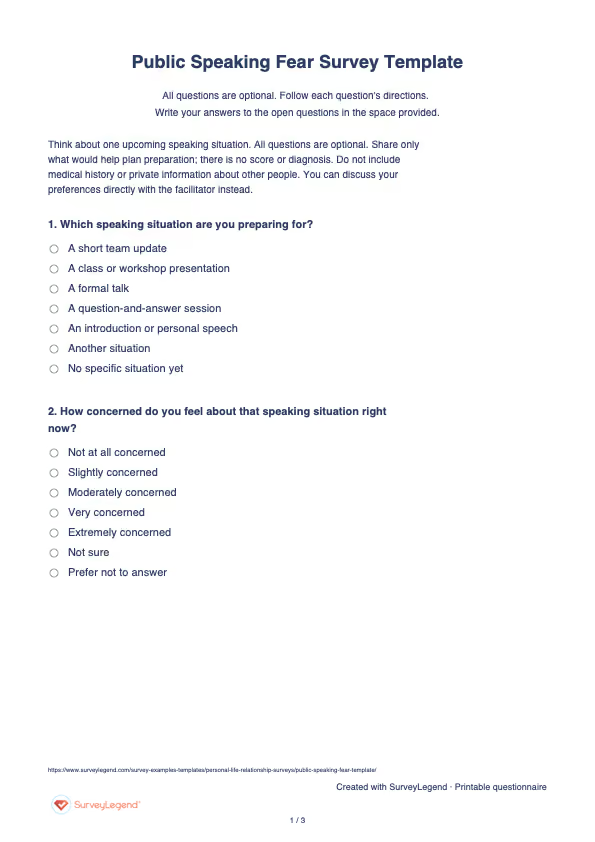
 Download the public speaking questionnaire
 AI Prompt: Public Speaking Fear Survey
Copy the prompt into an AI assistant to prepare the questionnaire. Review the result, then build and customize it in SurveyLegend. The prompt does not automatically create or transfer a survey.
Public Speaking Fear Survey Prompt
Copy the prompt into an AI assistant to draft the questions, then build your survey in SurveyLegend.
Sign in to SurveyLegend to build your questionnaire
-
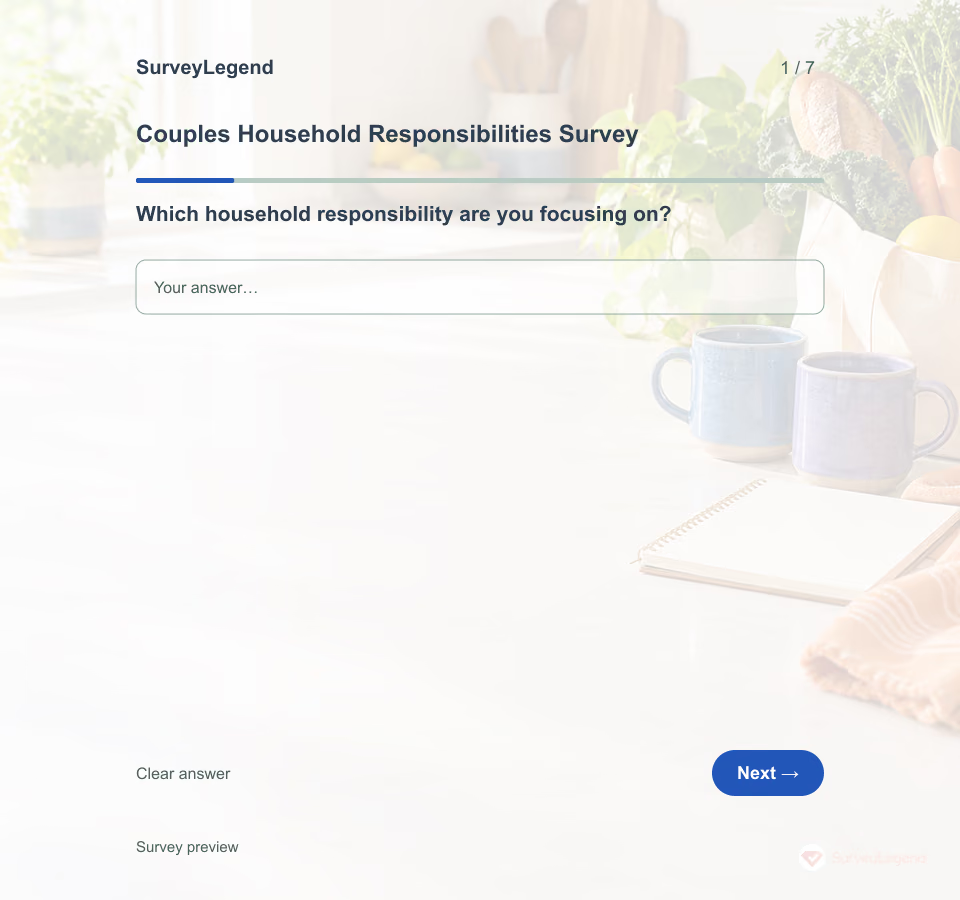 Couples Household Responsibilities Survey Template Finishing a task is only one part of keeping a home running. Someone also notices what is needed, plans the next step and follows up. Use this SurveyLegend questionnaire to make those parts of one responsibility easier to discuss, without turning the conversation into a compatibility score.
 -
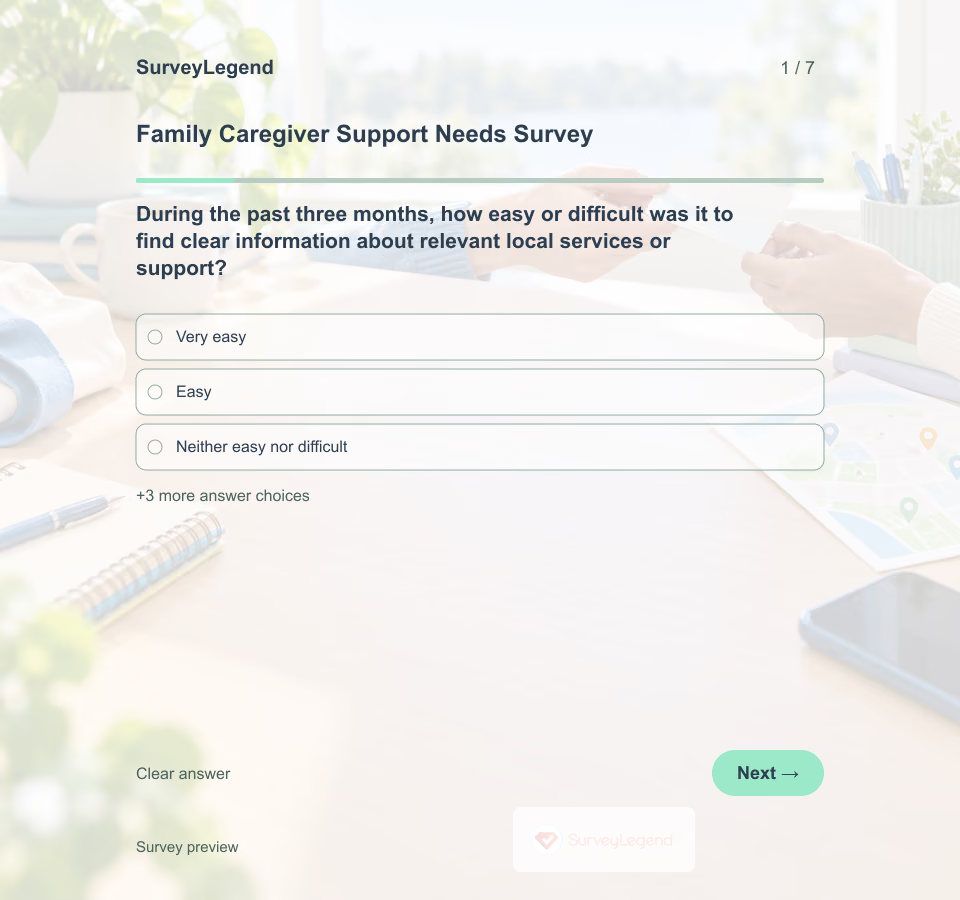 Family Caregiver Support Needs Survey Template Use this template when a local program needs structured feedback from adults who help an older family member living in the community. Name the service area and the three-month reference period. Explain that the survey is for planning and does not replace urgent, medical, legal, or safeguarding support.
 -
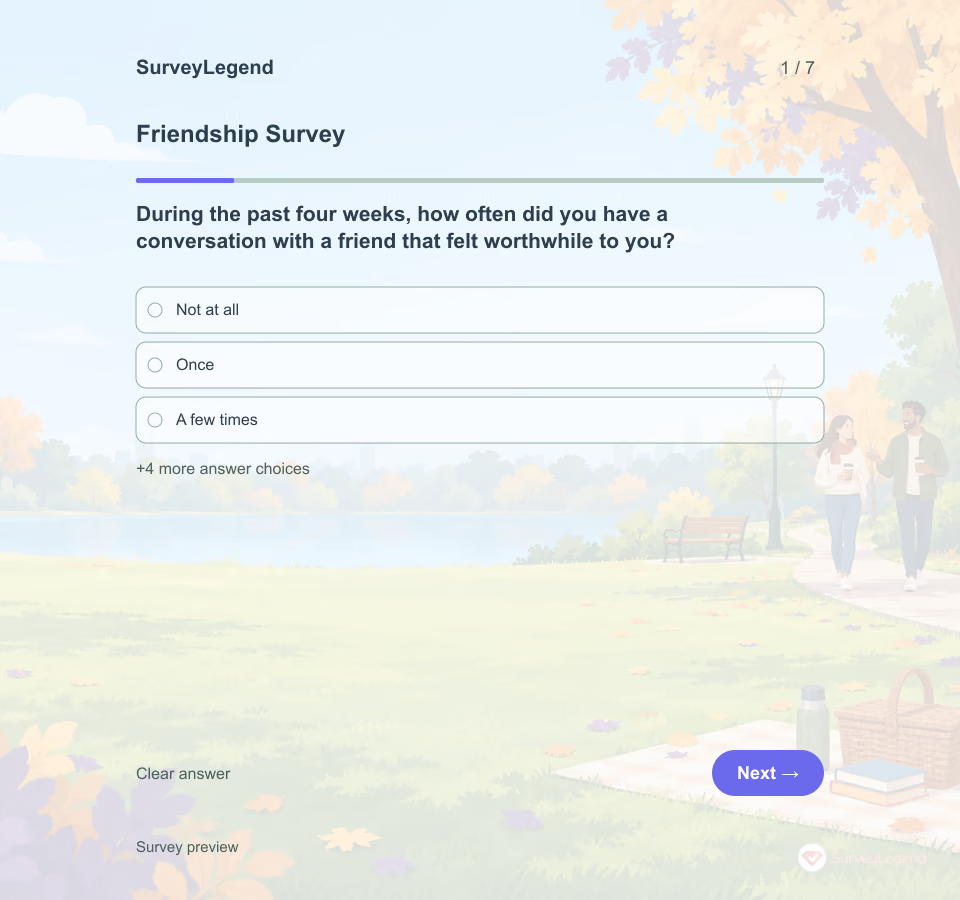 Friendship Survey Template A long conversation, a shared walk and a quick message serve different purposes. Ask which forms of connection people actually want before planning another group activity. Create the questionnaire in SurveyLegend and keep participation voluntary.
 -
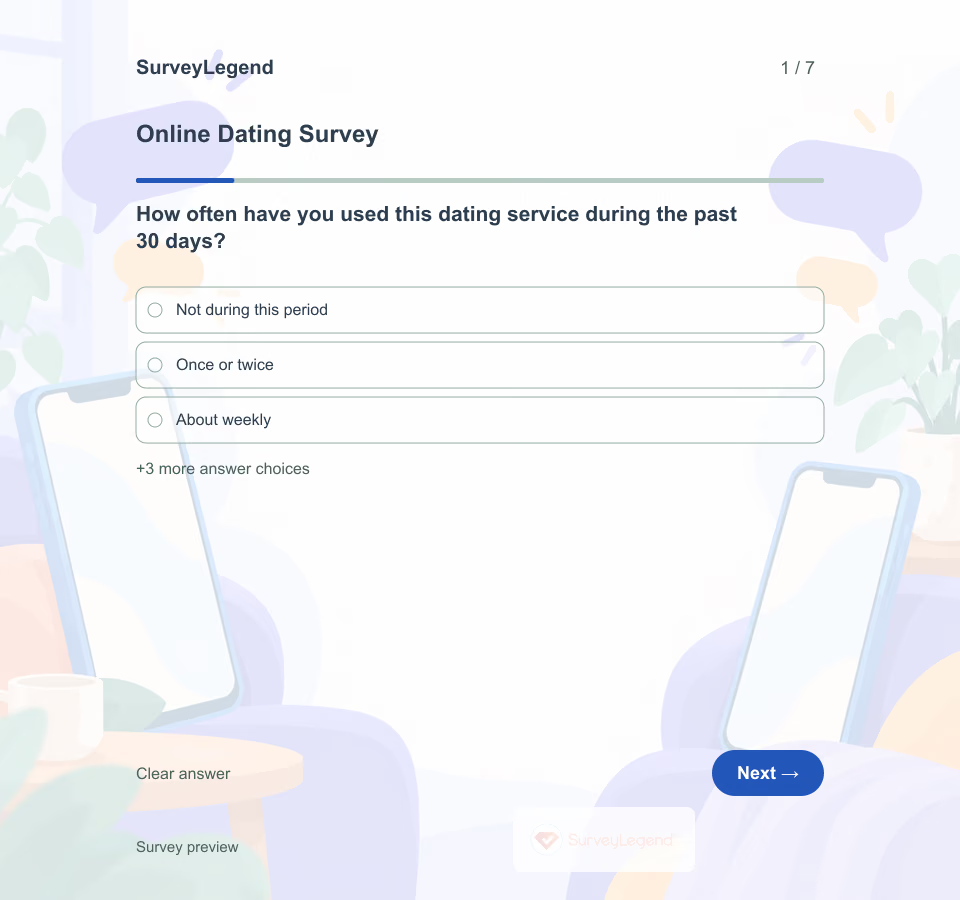 Online Dating Survey Template Use this SurveyLegend example with adults who used one named dating app or website during the past 30 days. Keep the focus on their experience of the service. People can value the chance to meet someone while finding profiles or conversations frustrating, so give those experiences separate questions.
 -
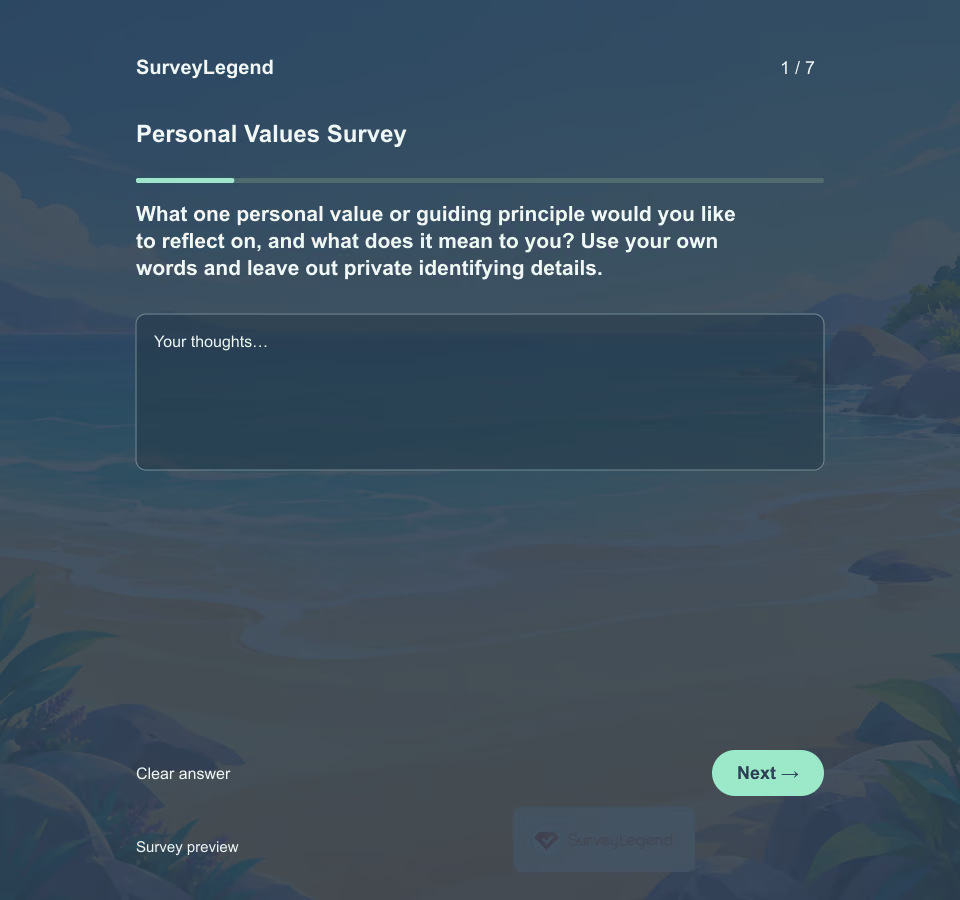 Personal Values Survey Template A word such as curiosity, fairness or care can mean different things to different people. This SurveyLegend example leaves room to define a value in your own words, consider where it mattered recently, and notice what might support a small action.
Free survey maker
Start creating surveys today for free
Create and bring your ideas to life with the survey tool used by people all over the world.
Ready to collect better research data?
Create academic surveys and questionnaires from ready-made templates.