

Skin Care Survey Template
Use this skin care survey template to learn how adults approach their facial skin care routine and choose product information. Seven optional questions cover recent use, purchase priorities, label checking, and unanswered questions. Adapt them in SurveyLegend for consumer research without turning the survey into a skin assessment.
Use this skin care survey template to learn how adults approach their facial skin care routine and choose product information. Seven optional questions cover recent use, purchase priorities, label checking, and unanswered questions. Adapt them in SurveyLegend for consumer research without turning the survey into a skin assessment.
When to use this skin care survey
A routine survey asks what people do before asking what they want to buy. Keep the focus on recent facial skin care, and include people who use few products or none. Their answers can help identify information gaps and practical obstacles that a product satisfaction rating would miss.
Ask about routines and actual choices separately
What someone values in a product is different from what they check before purchasing it. Ask about each behavior separately, and avoid implying that a more elaborate routine is a better one.
Cho and colleagues’ 2017 study of 1,015 Korean dermatology-clinic visitors found a gap between ingredient importance and ingredient checking. The abstract states that “subjects considered ingredient the most important factor when purchasing a product,” despite many reporting purchases without checking ingredients. This cosmetics behavior study supports separating purchase priorities from label-checking behavior. Its clinic-based sample does not represent every consumer, and it does not validate this original SurveyLegend questionnaire.
Seven skin care questions
Think about facial skin care products you used during the past seven days, including days when you used none. This survey asks about routines and product information, not medical conditions or treatment. Every question is optional. Please do not include health details, names, or contact information.
A little feedback. A clearer picture.
Explore this 7-question example at your own pace. Every question is optional.
Skin Care Survey
Thank you for trying the survey!
You’ve tried the template from the respondent’s side. Make it your own with SurveyLegend.
Create your own surveyChecking submission availability…
This is a demo. We count starts and submissions only. Your answers stay in your browser and are never sent or saved.
Activity · no starts yet
Adapt the skin care questionnaire
Keep one product scope: facial skin care, rather than mixing hair care, makeup, and prescribed treatments into the same answers. Preserve the seven-day recall period when comparing rounds. Define your intended adult audience before sending invitations; a list of existing buyers will not describe everyone in the market.
Use the final written response to learn which information people want, not to recommend ingredients or treatments. Avoid questions about diagnoses, medication, or photographs of skin. If the decision concerns a single product already used, start with product feedback instead. Explain actual response access and keep research participation separate from marketing sign-up.
Printable skin care questionnaire
Print the skin care questionnaire for an in-person consumer research session. Let participants leave any item blank and return the sheet to the named researcher. Paper answers need their own review or deliberate manual entry; they are not automatically added to an online survey.
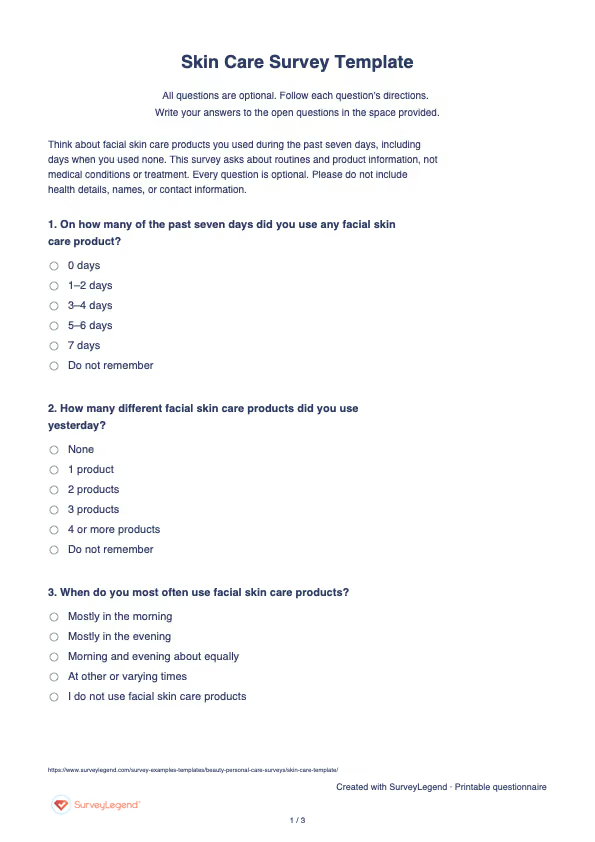
 Download the questionnaire
 Create this survey with an AI prompt
Copy this prompt into an AI assistant to draft the questions. Review the draft, then build and customize the survey in SurveyLegend before sharing.
Prepared survey prompt
Copy the prompt into an AI assistant to draft the questions, then build your survey in SurveyLegend.
Already have an account? Sign in to create your survey.
Interpret the skin care responses
Start with days of use and the number of different products used yesterday. These have different reference periods: do not combine them into a routine-intensity score. Keep “None,” “Do not remember,” and skipped answers separate. No-use answers are useful information, not incomplete routines.
Read product-selection priorities beside ingredient-list checking for the latest purchase. A person may care about an ingredient without consulting a label every time, so the survey cannot establish knowledge, safety, or product effectiveness. Group practical difficulties and final comments into content needs such as explaining label terms or making instructions easier to find. Use open-ended questions to retain unexpected concerns, then have appropriate subject expertise review any resulting health-related content. Report who answered and avoid presenting a customer sample as population prevalence.
Frequently asked questions
Does this survey recommend a skin care routine?
No. It collects consumer feedback about routines and information needs. It does not diagnose skin conditions, recommend products, or judge whether someone's routine is healthy.
Can people who do not use facial skin care products answer?
Yes. The questionnaire includes no-use and no-purchase choices. Keep these responses when describing the audience instead of treating them as missing data.
Can the results prove a product works?
No. These answers describe self-reported behavior and preferences. Product efficacy and safety require appropriate evidence beyond a routine survey.
-
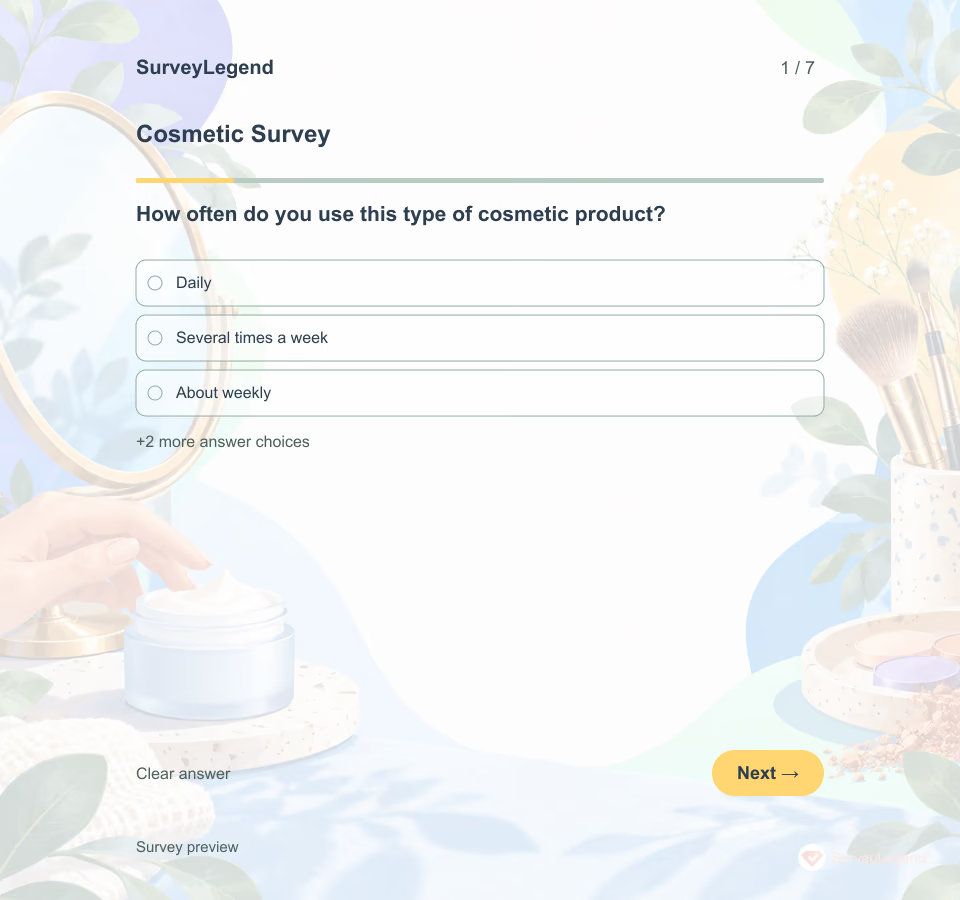 Cosmetic Survey Template A cosmetic survey is for one named product and audience. It separates how often people use the category from their reaction to texture, scent and packaging. For adjacent needs, explore product testing and name testing.
 -
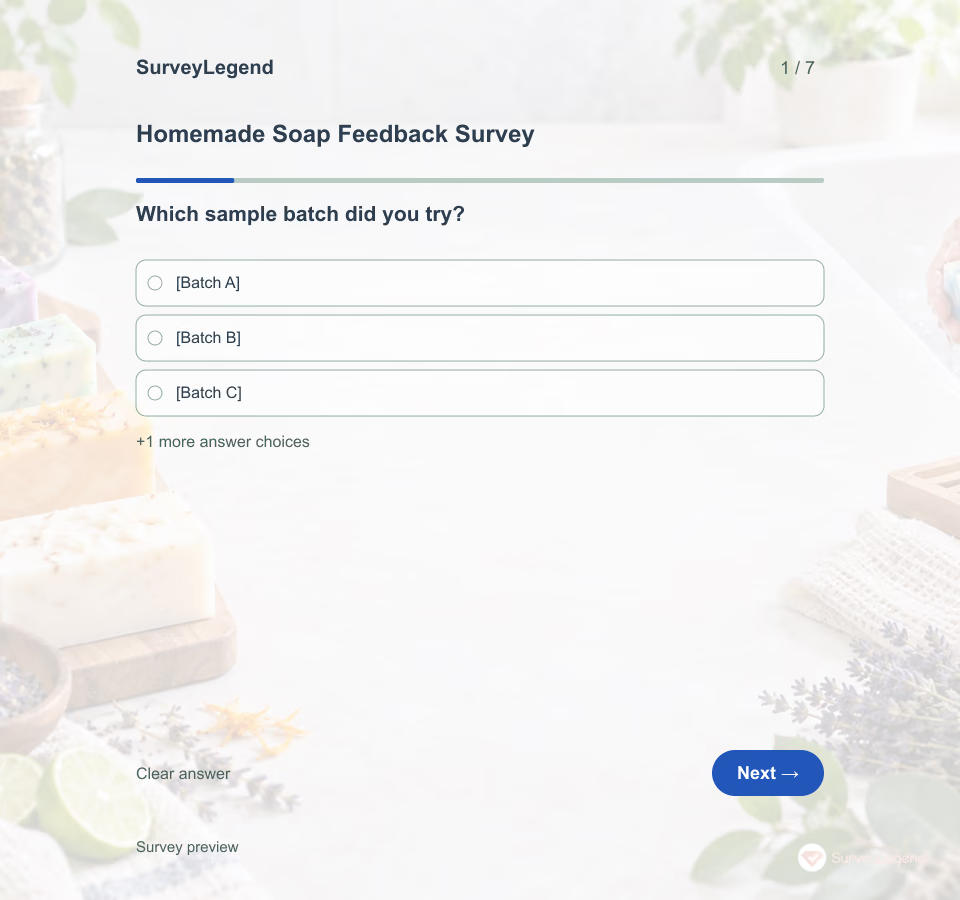 Homemade Soap Feedback Survey Template This post-use survey asks about a real handmade soap sample. It differs from a broad cosmetic concept survey because respondents have washed with a specific batch. Explore product testing and survey templates for related tasks.
 -
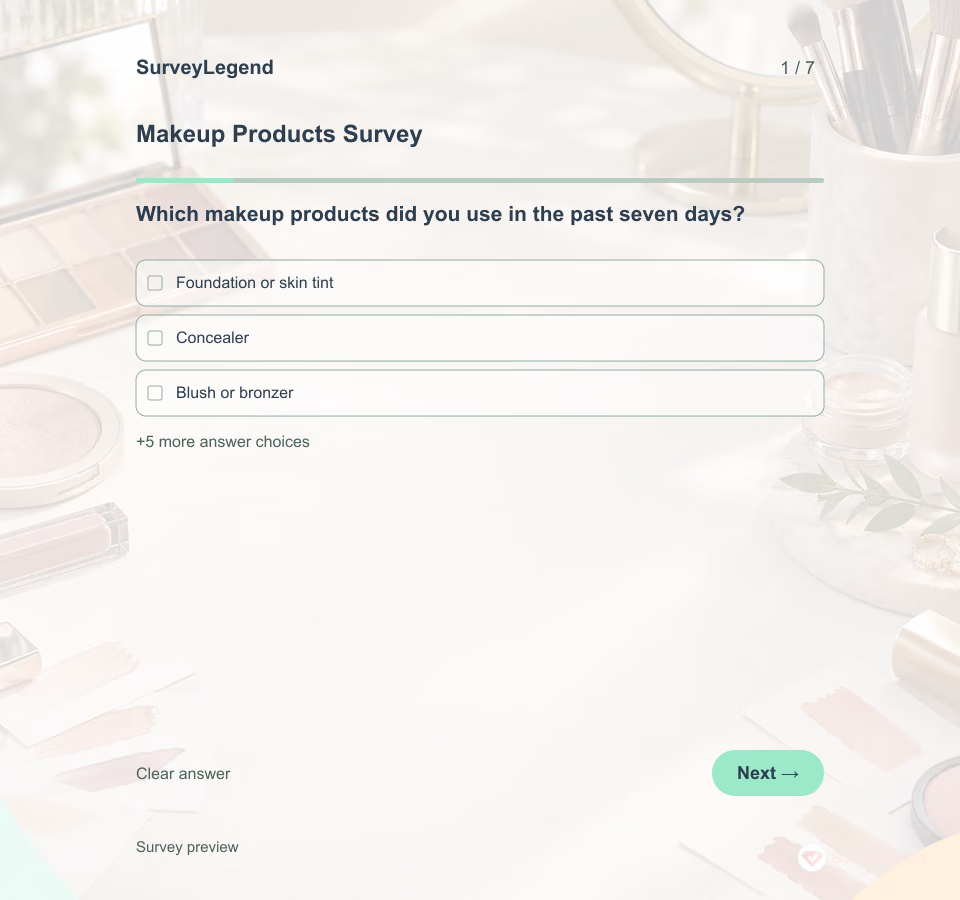 Makeup Products Survey Template A shopper may care about a shade match, but still struggle to judge texture or wear from a listing. Ask about a recent category and the information behind a choice. This survey is for adult consumers or a beauty team's customer panel; it is not a skin assessment or a product-safety test.
 -
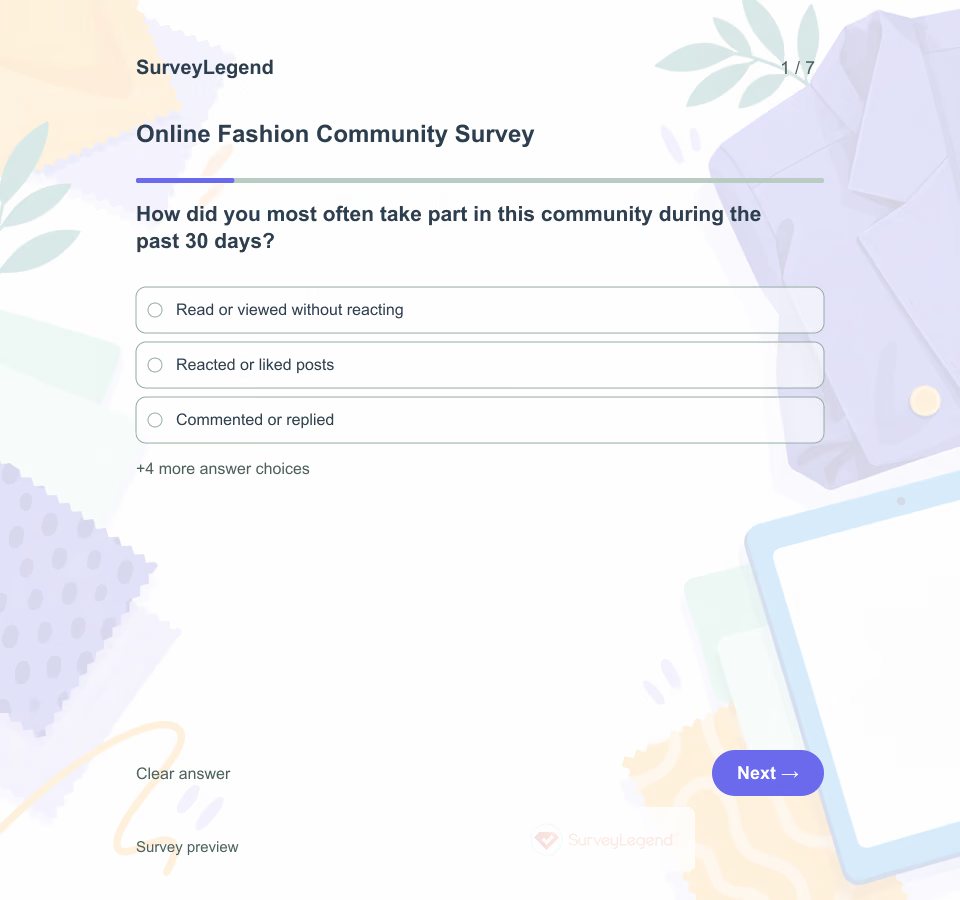 Online Fashion Community Survey Template Readers who rarely post can still find a community useful. Invite them alongside regular contributors, rather than using posting frequency as a shortcut for satisfaction. SurveyLegend's questionnaire separates community use, useful content and barriers to contributing so you can choose a focused improvement.
 -
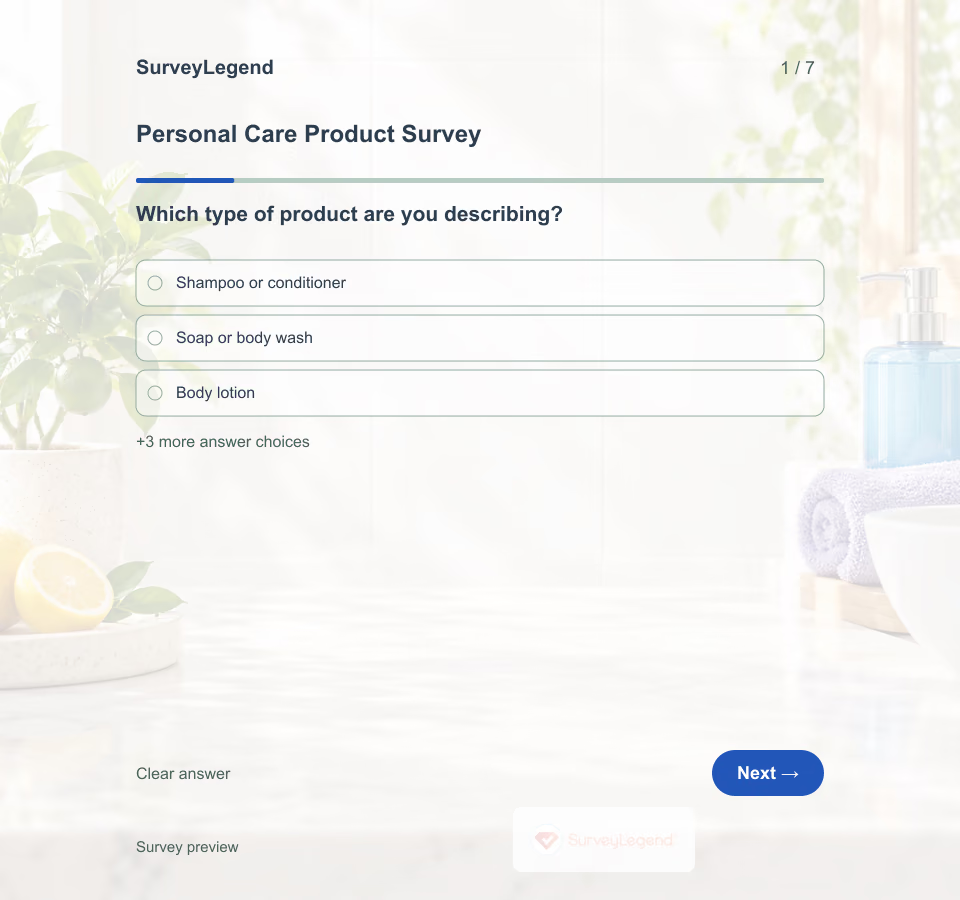 Personal Care Product Survey Template A product can appeal on a shelf yet be awkward to open, dispense or store. This SurveyLegend questionnaire separates a recent user’s practical experience from the information they considered when choosing it.
 -
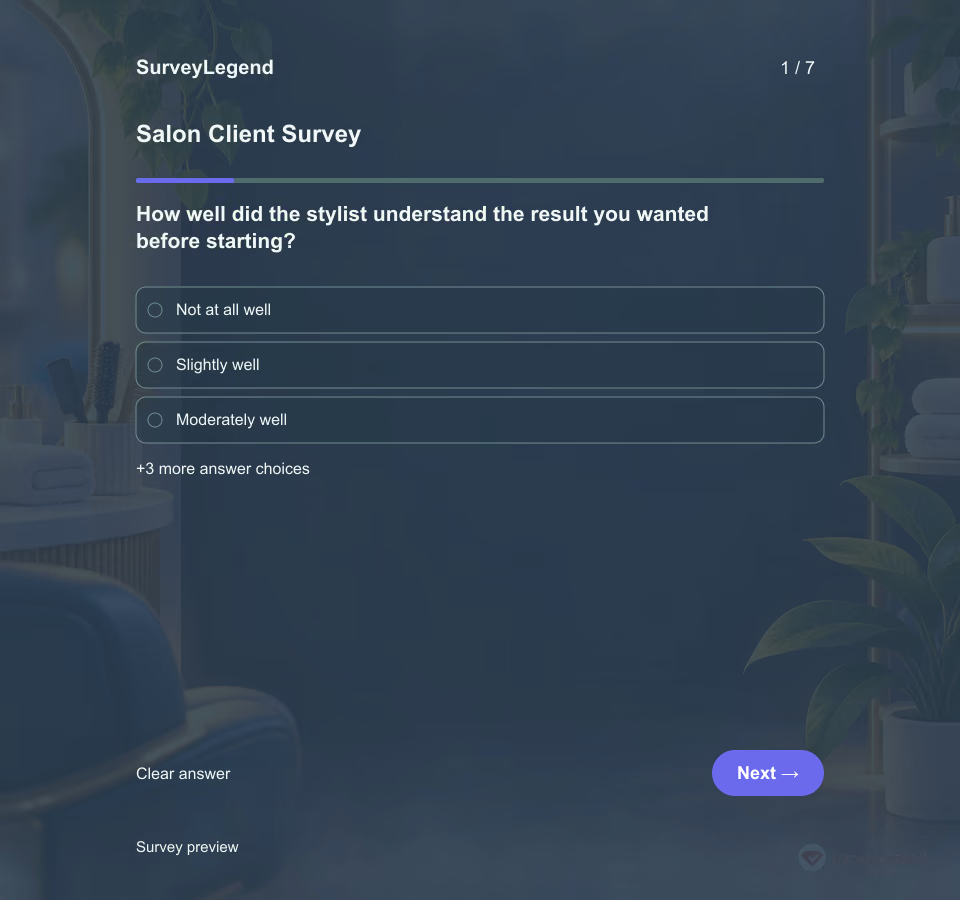 Salon Client Survey Template A client may be happy with the haircut but unsure how to ask for a small adjustment. This SurveyLegend questionnaire separates the result from the conversation around it, giving the salon clearer feedback about both the service and the client’s opportunity to speak.
 -
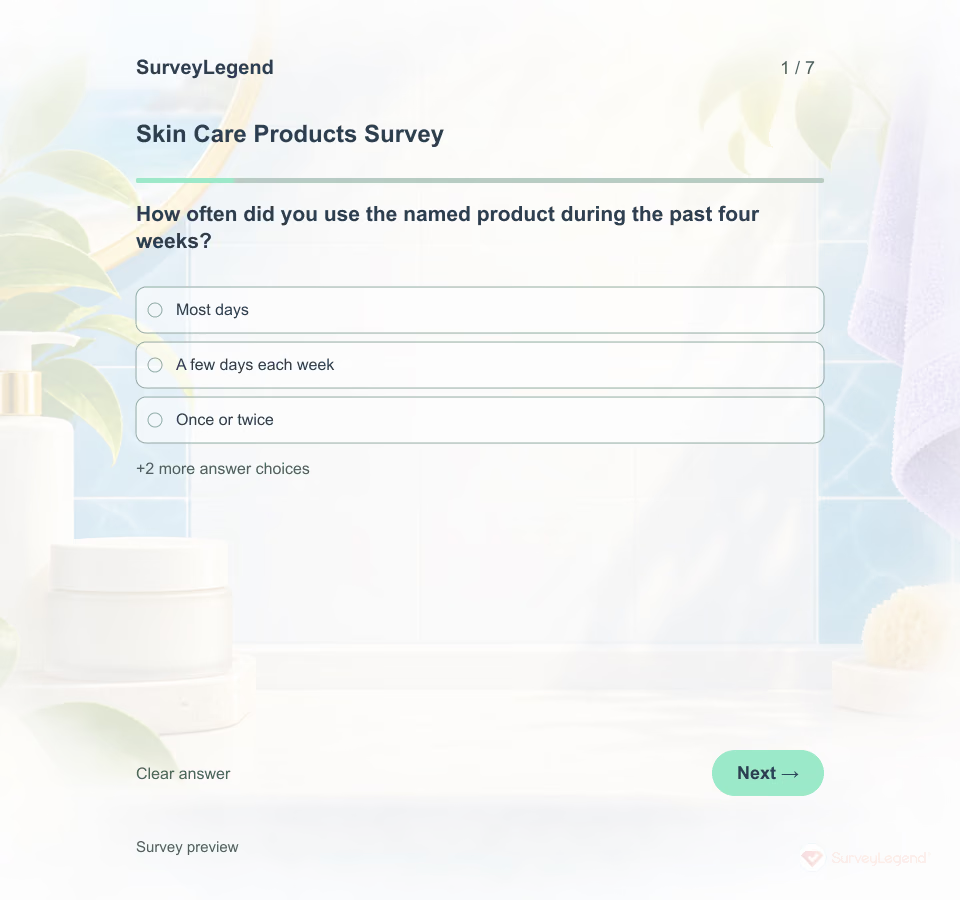 Skin Care Products Survey Template A general star rating rarely tells a product team whether the issue was texture, instructions or packaging. SurveyLegend helps gather focused feedback from people who actually used one named product.
 -
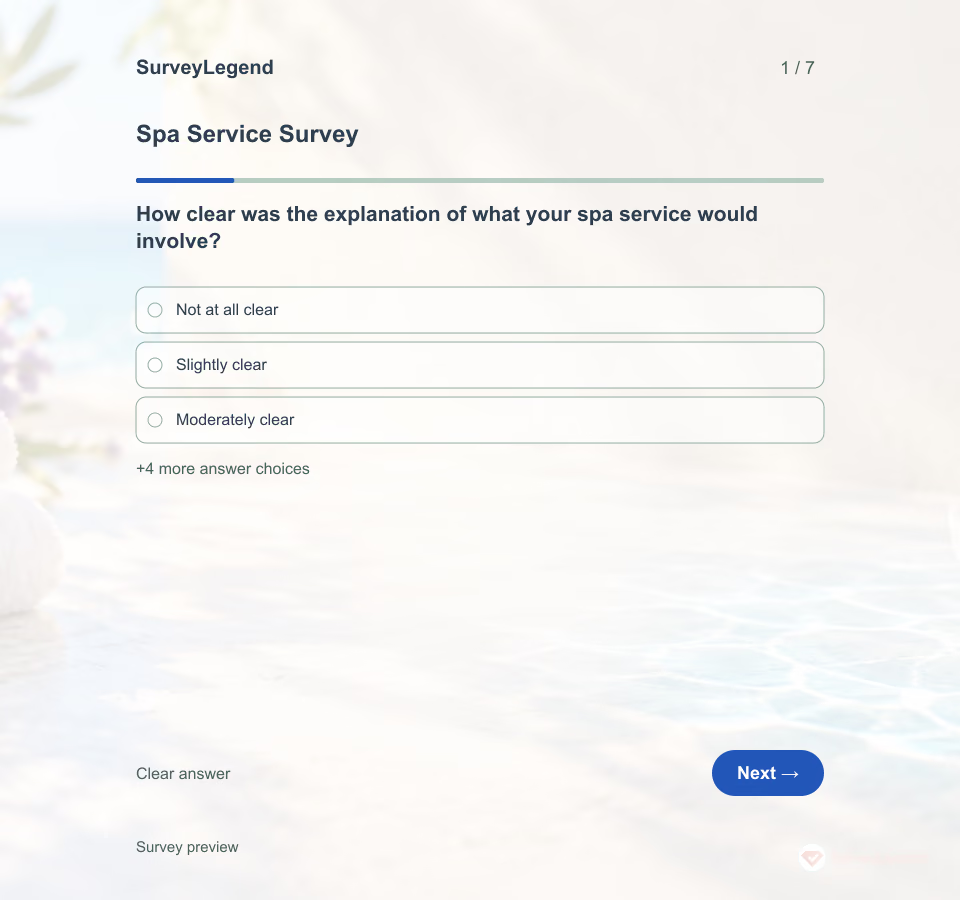 Spa Service Survey Template A guest may enjoy the setting but still feel unsure about what happens during a service. This SurveyLegend questionnaire separates those experiences so a single satisfaction rating does not hide a useful detail.
Free survey maker
Start creating surveys today for free
Create and bring your ideas to life with the survey tool used by people all over the world.
Ready to collect better research data?
Create academic surveys and questionnaires from ready-made templates.