

Sleeping Habits Survey Template
Use this sleeping habits survey template to understand recent sleep schedules and the practical conditions around rest. Seven optional questions cover schedule variation, estimated sleep, naps, and routine barriers. Adapt the questionnaire in SurveyLegend for adults without assigning a sleep-health score.

Use this sleeping habits survey template to understand recent sleep schedules and the practical conditions around rest. Seven optional questions cover schedule variation, estimated sleep, naps, and routine barriers. Adapt the questionnaire in SurveyLegend for adults without assigning a sleep-health score.
When to use this sleeping habits survey
Not everyone sleeps at night or follows the same schedule each day. This questionnaire uses a main sleep period so adults with daytime or changing sleep schedules can answer. Use it for a short, voluntary snapshot before planning a discussion or a more detailed study. A recalled week cannot show exactly what happened each day.
Keep a weekly snapshot separate from a sleep diary
Use a consistent reference period and explain what counts as the main sleep period. Let participants say that they cannot estimate a duration or that their schedule varies. Do not treat uncertainty as poor sleep.
Carney and colleagues developed the Consensus Sleep Diary with expert review and participant focus groups. Their 2012 abstract describes “collaborations with insomnia experts and potential users.” The sleep diary study illustrates the value of checking instructions with the people who will use them. This seven-question weekly snapshot is a separate, original questionnaire. It does not reproduce the diary, carry its measurement properties, or replace prospective daily recording when a research protocol calls for it.
Seven sleeping habits questions
Think about your sleep during the past seven days. Your main sleep period means your longest sleep in each 24-hour day, whether it happened at night or during the day. Every question is optional. This is a routine survey, not a medical assessment. Do not include diagnoses, medication details, names, or contact information.
A little feedback. A clearer picture.
Explore this 7-question example at your own pace. Every question is optional.
Sleeping Habits Survey
Thank you for trying the survey!
You’ve tried the template from the respondent’s side. Make it your own with SurveyLegend.
Create your own surveyChecking submission availability…
This is a demo. We count starts and submissions only. Your answers stay in your browser and are never sent or saved.
Activity · no starts yet
Adapt the sleeping habits questionnaire
State the exact seven-day period and use the same wording for every participant. Pilot the main-sleep explanation with people on different schedules. Avoid changing it to “bedtime” if the audience includes daytime sleepers or people who split sleep into several periods.
Explain the purpose, who can see the responses, and the intended use of group summaries. SurveyLegend’s research ethics discussion can help frame that invitation. Do not make participation part of a performance review or use the answers to decide whether someone is fit for work. This form asks about routines; individual health concerns need an appropriate professional conversation outside the survey.
Printable sleeping habits questionnaire
Print the sleeping habits questionnaire for private reflection or a voluntary adult research session. Keep completed sheets with the person or researcher named in the invitation. Paper responses require separate review or manual entry; they do not become online responses automatically.
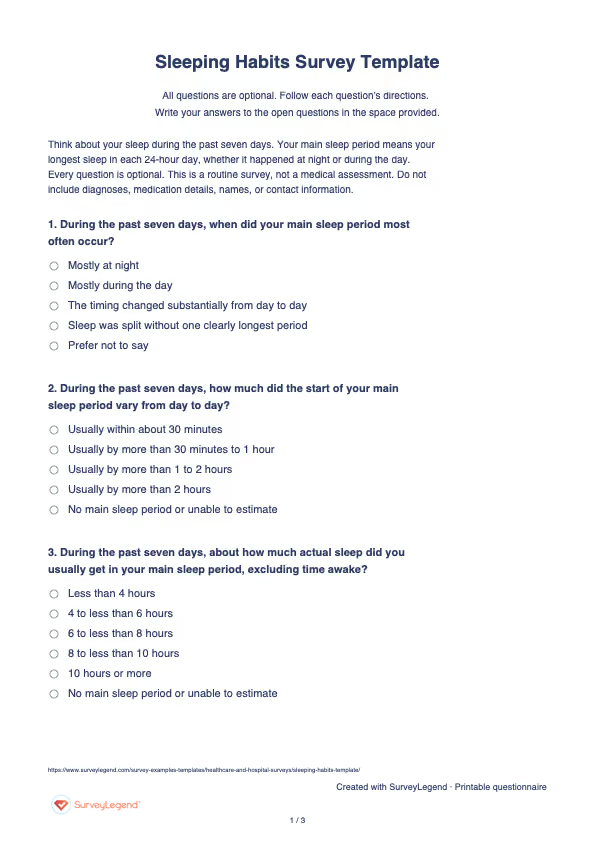
 Download the questionnaire
 Create this survey with an AI prompt
Copy this prompt into an AI assistant to draft the questions. Review the draft, then build and customize the survey in SurveyLegend before sharing.
Prepared survey prompt
Copy the prompt into an AI assistant to draft the questions, then build your survey in SurveyLegend.
Already have an account? Sign in to create your survey.
Interpret the sleeping habits responses
Describe the schedule groups before comparing answers. A report of mainly daytime sleep should not be automatically classified as a problem. Keep the duration bands as categories and show how many respondents could not estimate their sleep. Do not calculate an average by pretending the open-ended bands have exact values.
Read schedule variation, rest opportunities, and barriers alongside one another. They can suggest topics for follow-up, but the survey cannot show that one behavior caused another. Naps are counted separately from the main sleep estimate; do not add the nap-day count to sleep hours. Review the final comments with open-ended questions guidance, and remove identifying details before sharing examples. Keep the results descriptive rather than assigning “good sleeper” or “bad sleeper” labels.
Frequently asked questions
Can this survey diagnose insomnia or sleep apnea?
No. It is an original routine questionnaire without diagnostic thresholds. It cannot establish a sleep disorder or replace assessment by a qualified professional.
Can people who sleep during the day use it?
Yes. The questions refer to the longest sleep period in each 24-hour day, not a required nighttime schedule. People with changing or split schedules can report that variation.
Is this the Consensus Sleep Diary?
No. The cited diary research informs the importance of clear instructions and user review. This weekly questionnaire is a separate tool and should not be presented as that instrument.
-
 Healthcare CAHPS® Visit v2.0 Survey Template When a patient chooses to enter your hospital, the quality of the treatment they are going to receive is the most important thing. To reach a high quality in the treatment, several aspects have to be taken into consideration. Everything from the first contact with the hospital staff, to the behavior of the doctor the patient visited.
 -
 Healthcare CAHPS® 12 Month v2.0 Adult Survey Template Every smart hospital that cares for their patients’ satisfaction with the care received by them works hard on understanding their patients’ needs. It is done by asking them for their feedback, opinions, and ideas throughout their healthcare experience.
 -
 Healthcare CAHPS® Health Plan v4.0 Survey Template Understanding how patients perceive their health plans is critical for every forward-thinking hospital, clinic, or healthcare network. With rising expectations and increasing competition, it’s no longer enough to simply offer care — patients expect transparency, convenience, and personalized service.
 -
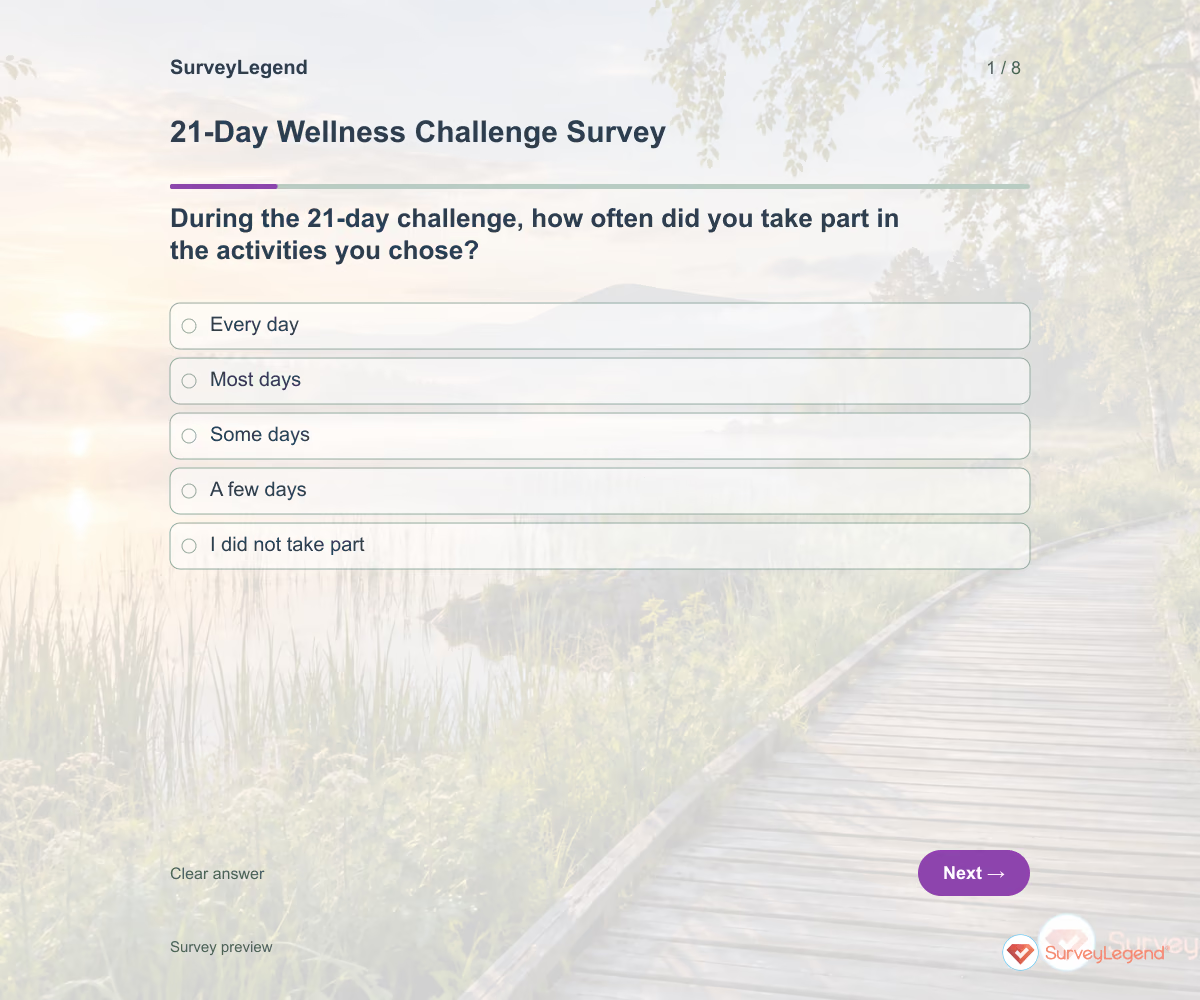 21-Day Wellness Challenge Survey Template Use this 21-day wellness challenge survey template to learn how participants experienced your program and what made it easier or harder to take part. The eight questions cover participation, instructions, support, and suggestions for the next challenge. You can adapt the questionnaire in SurveyLegend without asking people to share weight, diagnoses, or other private health details.
 -
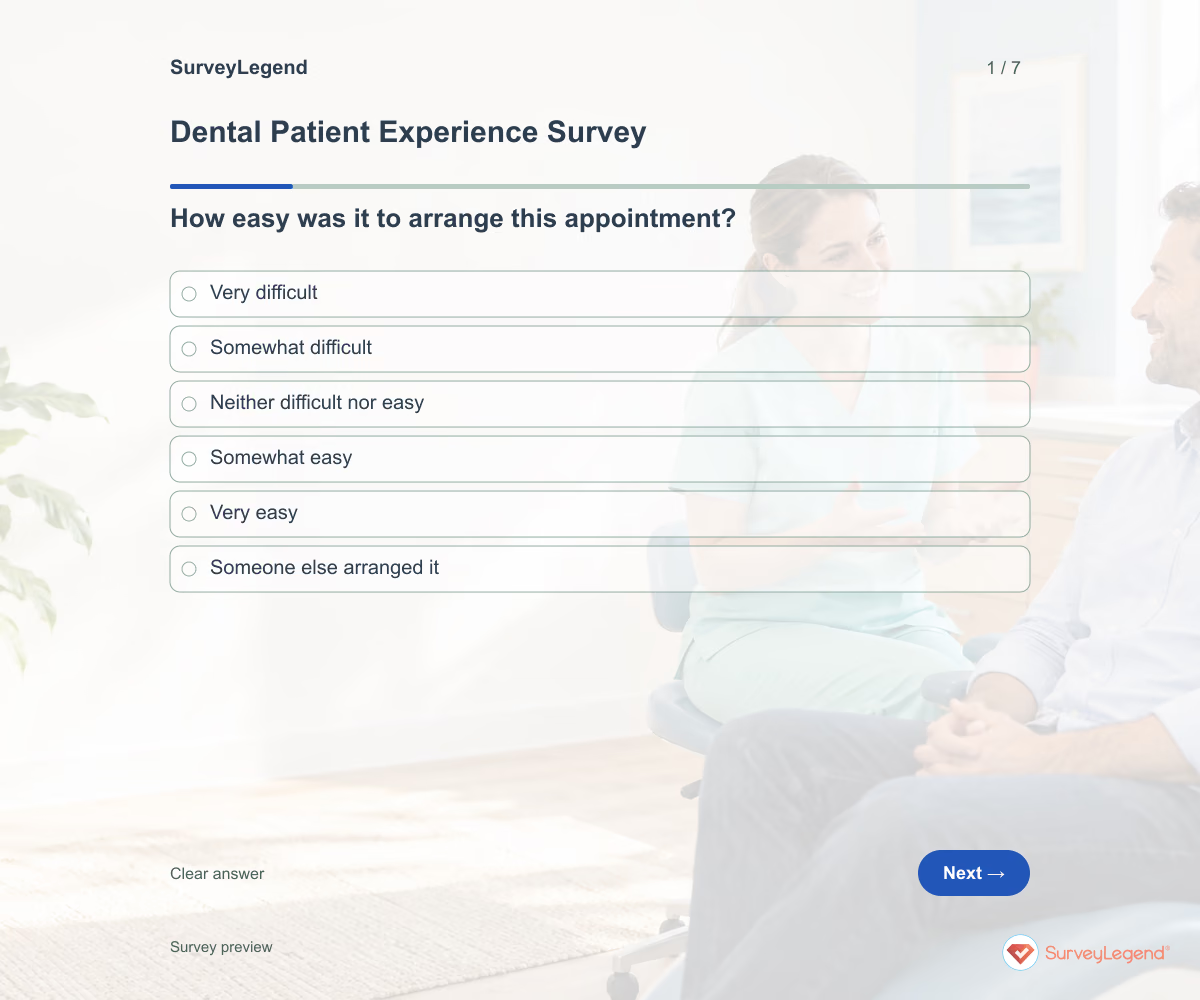 Dental Patient Experience Survey Template Patients can explain how a visit felt without being asked to judge treatment quality. Focus on arrangements, communication, and opportunities to ask questions. Keep clinical questions and individual concerns in the practice’s established patient-contact process.
 -
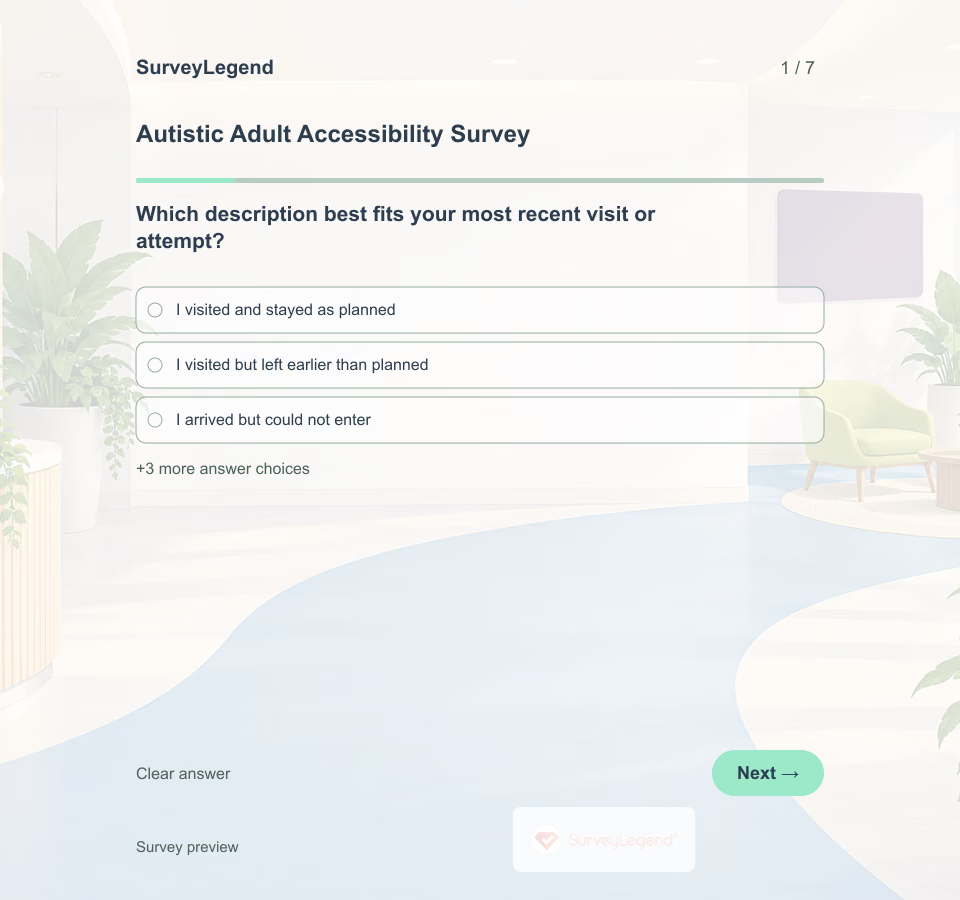 Autistic Adult Accessibility Survey Template A venue can offer interesting activities while leaving visitors uncertain about crowds, noise or where to take a break. Adapt this SurveyLegend questionnaire with autistic adults, then ask about one named place and a recent experience. The purpose is to improve access, not assess a person's autism.
 -
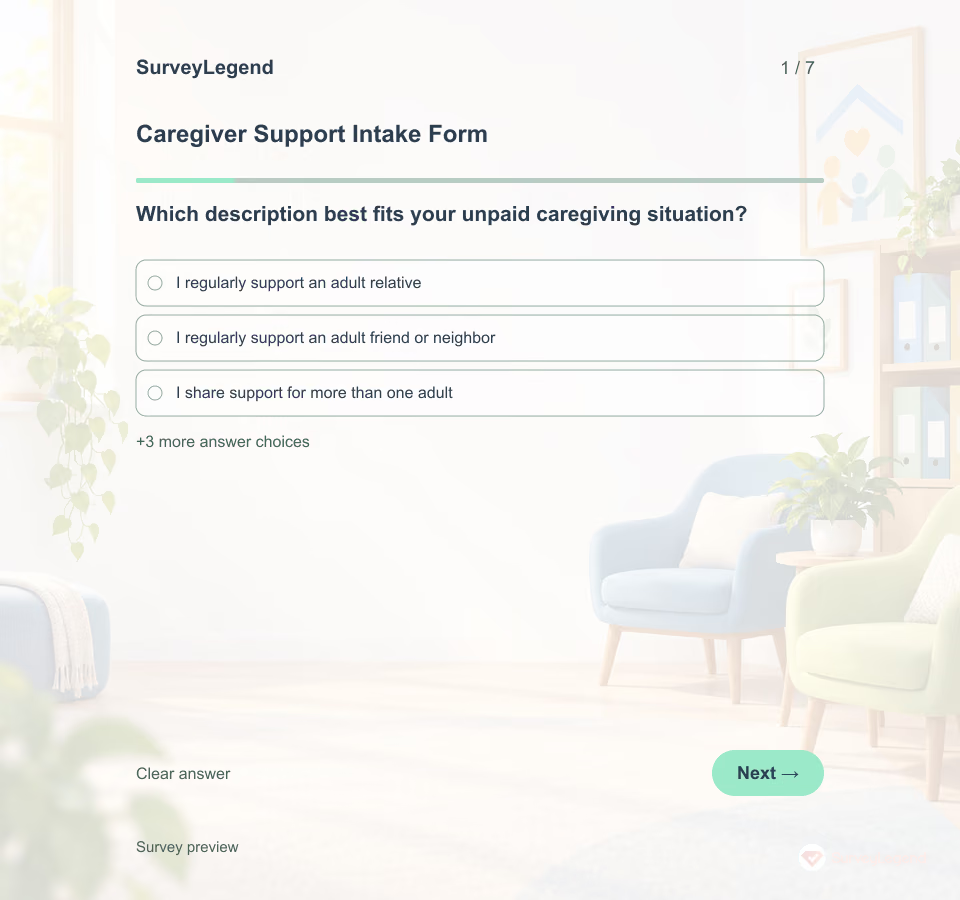 Caregiver Support Intake Form Template Caregiving arrangements differ from one household to the next. A short intake can make the first conversation more useful without asking for the care recipient’s medical history. Adapt this SurveyLegend questionnaire to the resources your service actually provides.
 -
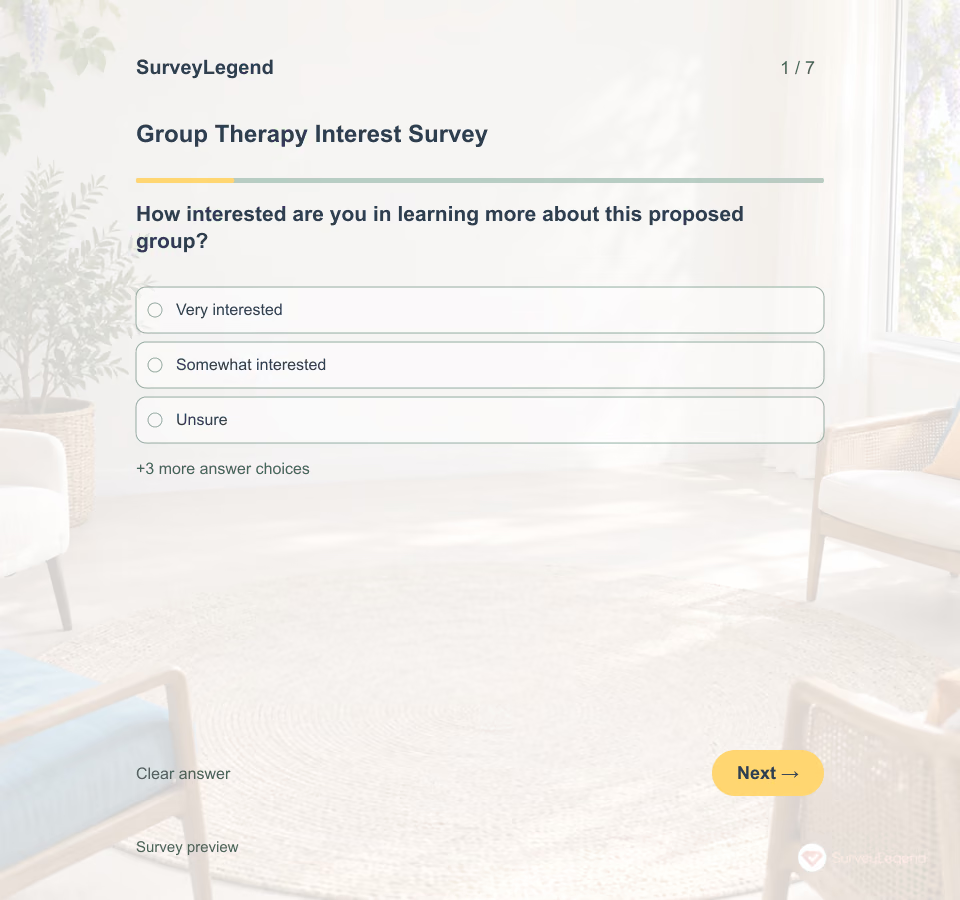 Group Therapy Interest Survey Template This group therapy interest survey helps a counseling service plan clear information and practical access to a proposed adult group. It asks about preferences without collecting symptoms or personal histories. Build the questionnaire in SurveyLegend and keep it separate from clinical assessment, consent and enrollment.
 -
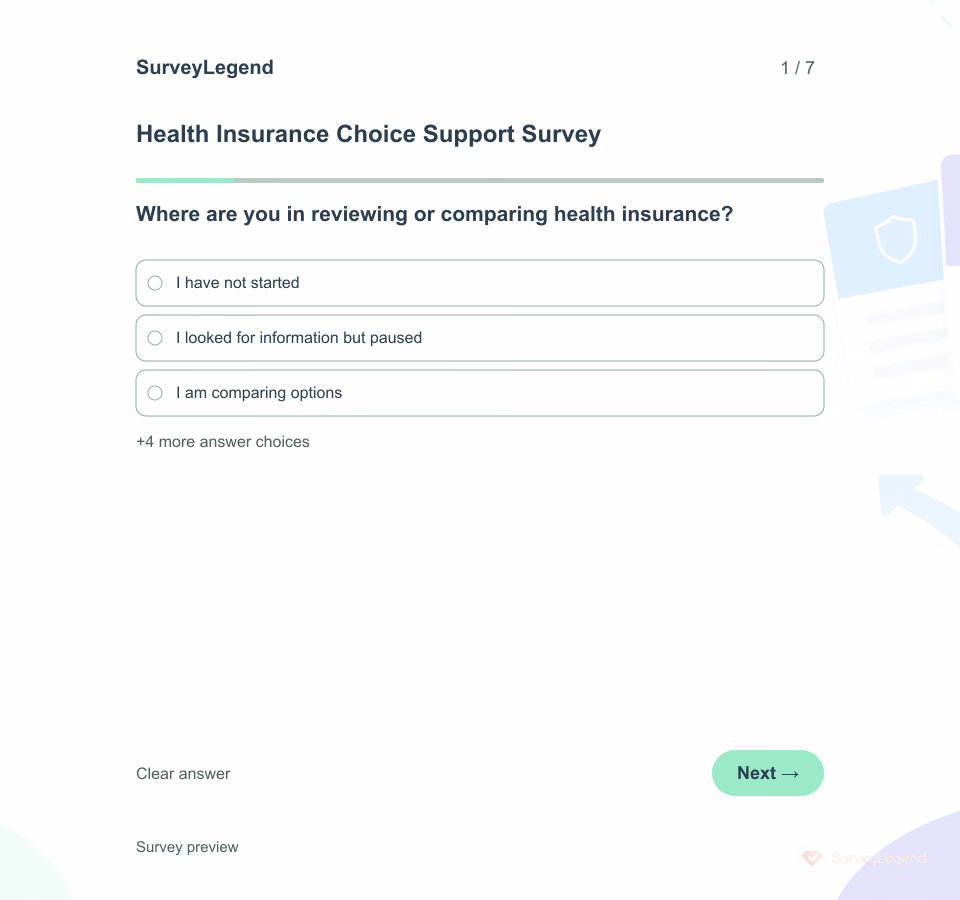 Health Insurance Choice Support Survey Template Someone can understand the monthly price and still struggle to compare coverage details. Ask about the part of the choice they are trying to make. Use SurveyLegend to prepare a feedback questionnaire about that process without collecting policy numbers, medical history or application documents.
 -
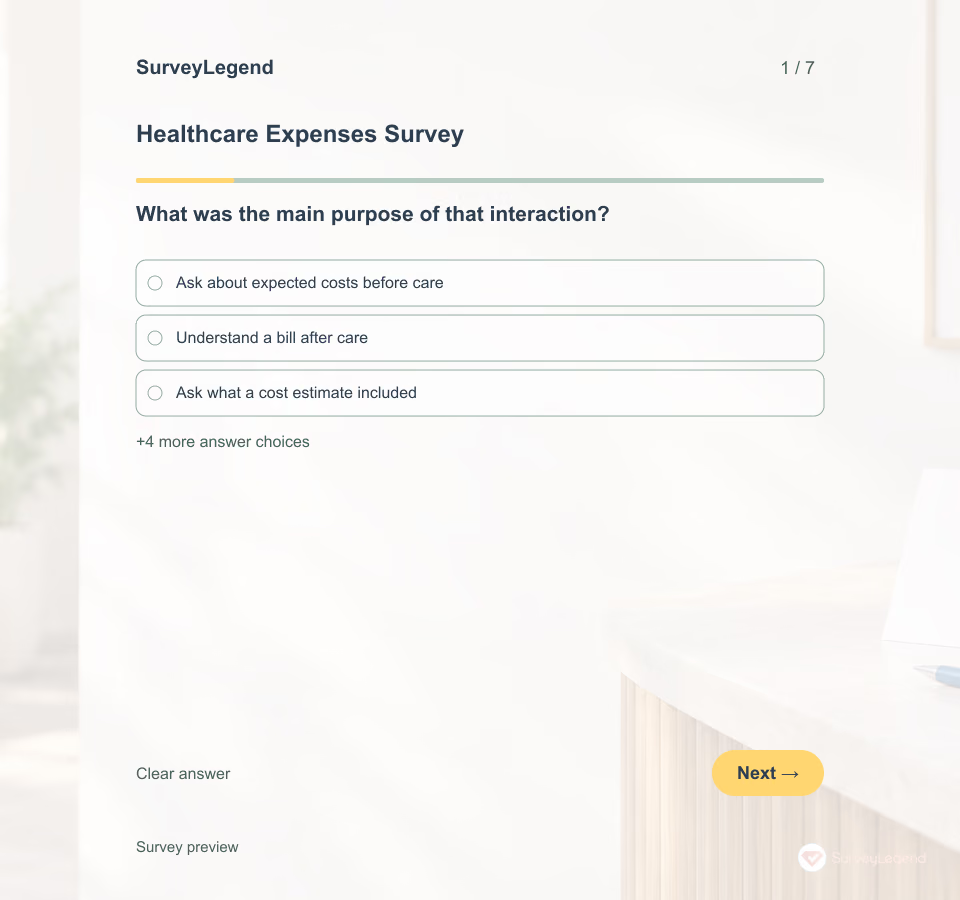 Healthcare Expenses Survey Template A patient may receive an estimate but still not know whom to ask about it. Separate receiving information from understanding it and reaching the right contact. Create this questionnaire in SurveyLegend to examine that part of the service experience.
 -
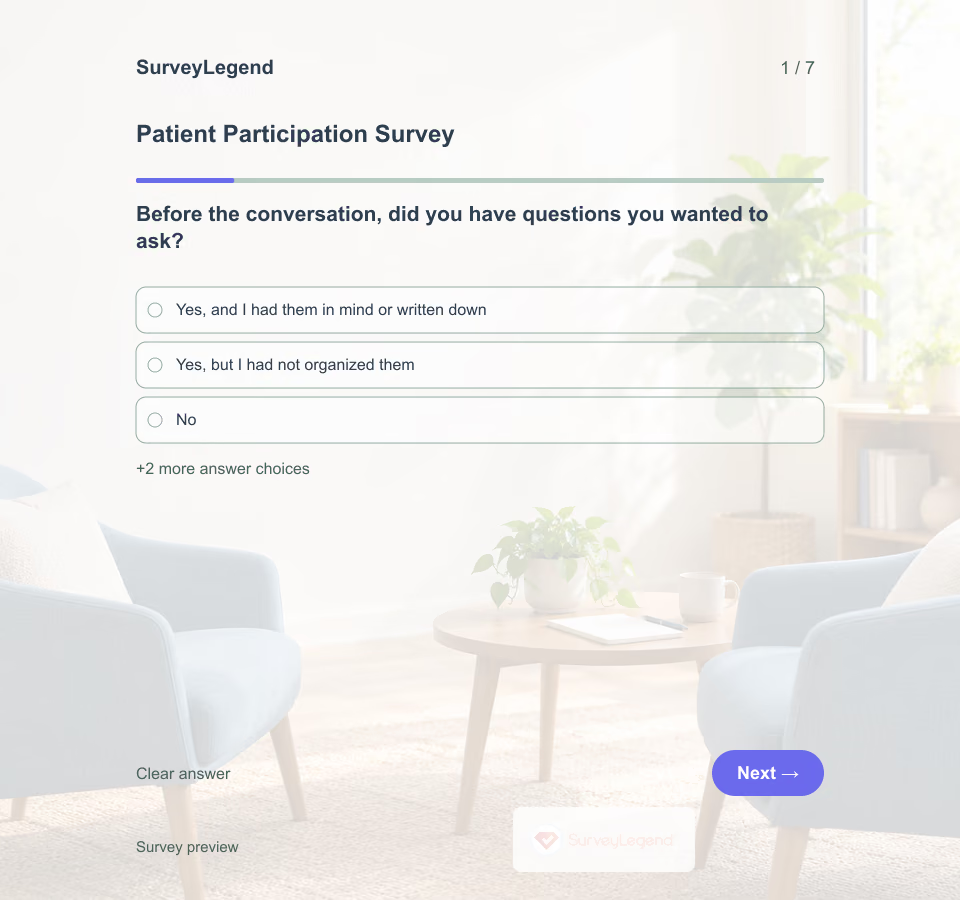 Patient Participation Survey Template A patient can be satisfied with a visit yet leave a question unasked. Review what made participation easier or harder, including whether a decision was part of that appointment. Build the questionnaire in SurveyLegend after adapting the introduction to the service and its real feedback process.
 -
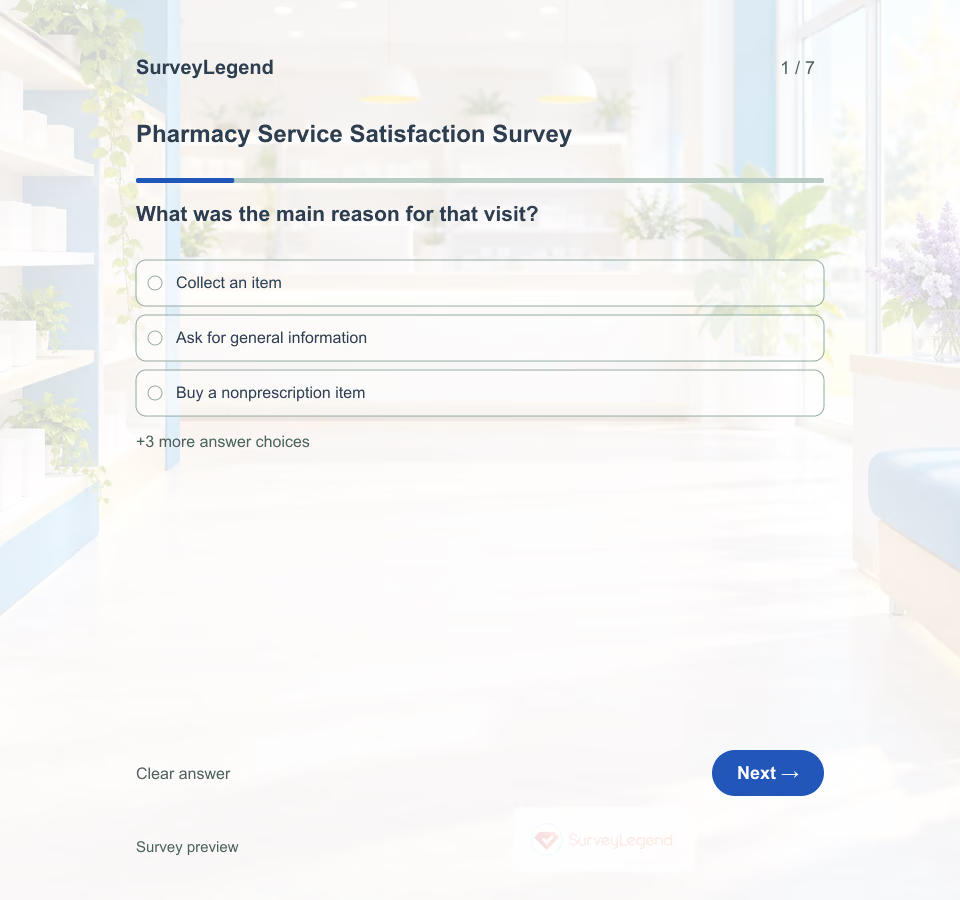 Pharmacy Service Satisfaction Survey Template A customer may leave with what they came for yet still have questions about the process. This SurveyLegend questionnaire separates the experience of waiting and finding help from whether service information was understandable.
 -
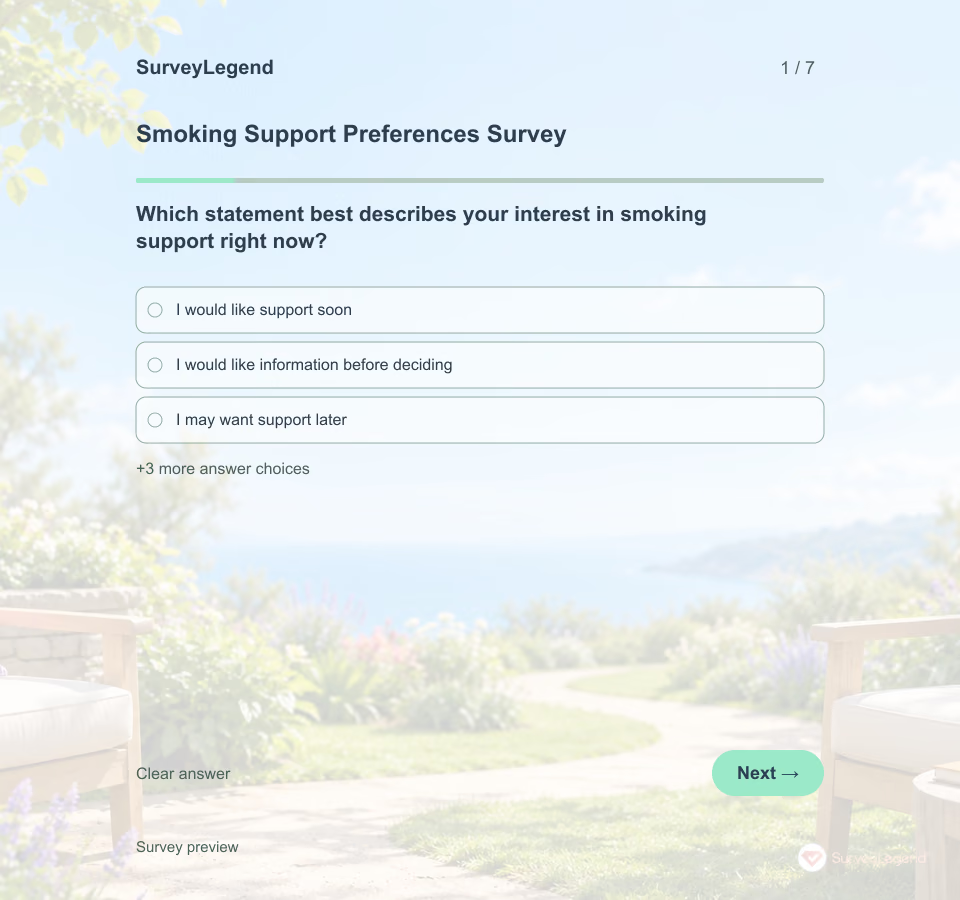 Smoking Support Preferences Survey Template This smoking support preferences survey gives community teams seven optional questions for planning an offer people can actually access. It does not score dependence or prescribe a quit plan. Build the questionnaire in SurveyLegend, explain how responses will be used and keep participation separate from eligibility for other services.
Free survey maker
Start creating surveys today for free
Create and bring your ideas to life with the survey tool used by people all over the world.
Ready to collect better research data?
Create academic surveys and questionnaires from ready-made templates.