

Political Ideology Survey Template
Political labels do not mean the same thing to everyone. Use seven optional questions to explore self-description, the limits of left-right labels and the issues participants connect with their views.

Political labels do not mean the same thing to everyone. Use seven optional questions to explore self-description, the limits of left-right labels and the issues participants connect with their views.
This political ideology survey asks adults how they describe their own views and how useful familiar political labels feel to them. It does not assign a political type, infer a party choice or produce an ideology score. Build the questionnaire in SurveyLegend for a clearly explained academic or civic education purpose.
When to Use This Template
Use this template to explore political language in one named country and audience. For a different task, such as election intentions or community priorities, browse the political survey templates . This questionnaire focuses on the meaning respondents attach to their own answers, including when they do not use a left-right label.
7 Political Ideology Survey Questions
Answer about your own political views in the country named above. Every question is optional. You may decline to use a political label. Do not include your name, party membership, voting choices or identifying details. Responses are for the stated research or education purpose, not personalized political outreach.
A little feedback. A clearer picture.
Explore this 7-question example at your own pace. Every question is optional.
Political Ideology Survey
Thank you for trying the survey!
You’ve tried the template from the respondent’s side. Make it your own with SurveyLegend.
Create your own surveyChecking submission availability…
This is a demo. We count starts and submissions only. Your answers stay in your browser and are never sent or saved.
Activity · no starts yet
How to Adapt the Questionnaire
Name one country and check whether left-right language is meaningful for the intended audience. Pilot the wording with people who use and avoid such labels. Explain privacy accurately and avoid collecting identifiers that are unnecessary for this task. SurveyLegend’s guidance on sensitive survey questions can help keep disclosure voluntary. If translating, review meaning with speakers familiar with the context; literal translations may not preserve political connotations.
When to Ask
State the fieldwork dates and any event relevant to interpreting the snapshot. Avoid changing the labels or their order midway through collection. If repeating the survey, keep the country, audience definition and invitation route consistent, and document changes instead of presenting unlike samples as a trend.
How to Use the Responses
Report label choices alongside familiarity and perceived fit. Do not count “not sure” or “does not fit” as centrist. Read the final open-ended question to understand how similar labels can reflect different concerns. Summarize themes without exposing identifying comments. A recalled change in wording is not evidence of a measured ideological shift. Avoid adding responses into a score, predicting a vote or using individual answers for political targeting; a voluntary sample does not establish national opinion.
What the Research Adds
Piurko, Schwartz and Davidov (2011) studied “20 representative national samples” from the 2002–2003 European Social Survey. Their abstract reports that the relationship between personal values and left-right orientation varied across national contexts. That informs this template’s country-specific setup and separate questions about label meaning and fit. The study does not make these seven original questions a validated ideology scale, and its historical results should not be treated as current national patterns. Read the political orientation study .
Frequently asked questions
Will this tell respondents their political ideology?
No. It records their own descriptions and interpretations. There is no scoring rule or automated political classification.
Does choosing the same label mean two people share the same policies?
No. The questions about issue areas and label meaning help reveal differences that a single self-description could hide.
Can results be compared across countries?
Not automatically. Political language and context differ. Comparing countries requires a research design that examines whether the questions mean the same thing to each audience.
Printable Political Ideology Survey
Print the named country, fieldwork period and optional-disclosure statement before the seven questions. Use circles for Questions 1–6 and ample space for Question 7. Include no ideology result, party list, identity field or voting instruction. Paper responses need separate review or manual entry; they are not automatically added to online results.
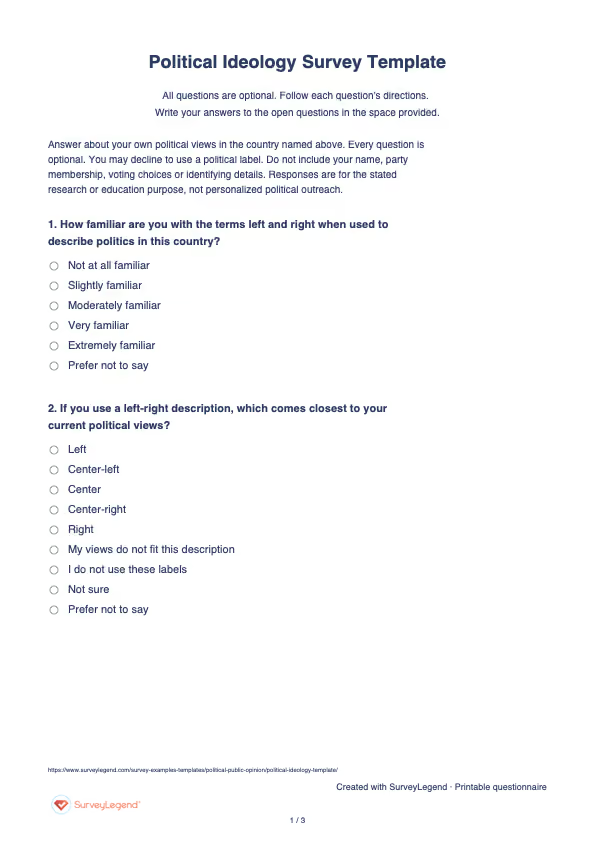
 Download the questionnaire
 AI Prompt: Political Ideology Survey
Copy this political ideology survey prompt into an AI assistant to prepare the questionnaire. Review the result, then build and customize it in SurveyLegend. It does not automatically create or transfer a survey.
Political Ideology Survey Prompt
Copy the prompt into an AI assistant to draft the questions, then build your survey in SurveyLegend.
Sign in to SurveyLegend to build your political ideology survey
-
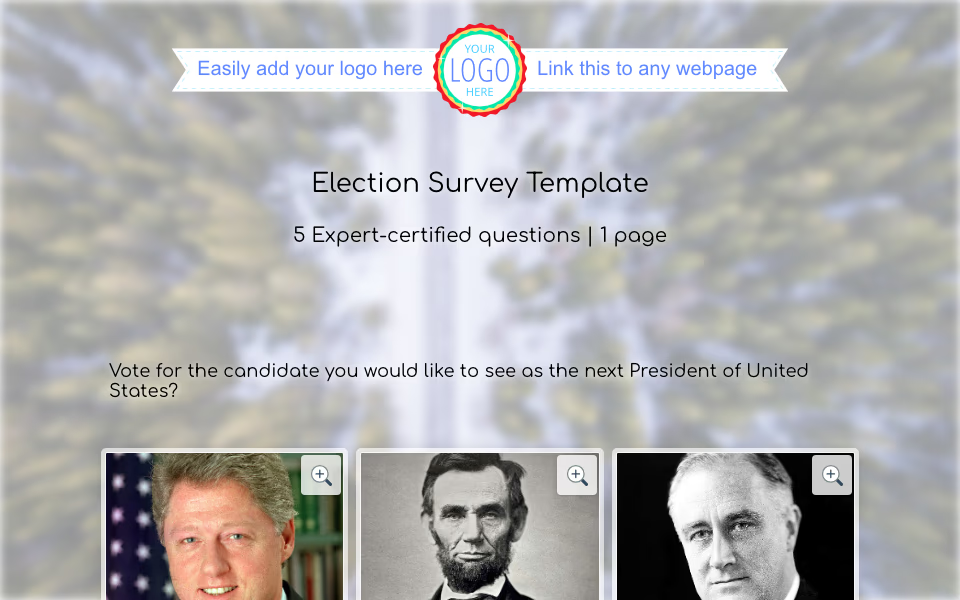 Election Survey Template Elections are everywhere. From high school prom royalty to class president, from “employee of the month” to the real-deal mayor or president—voting is how we make choices. But what if we told you that running your poll could be both powerful and surprisingly fun?
 -
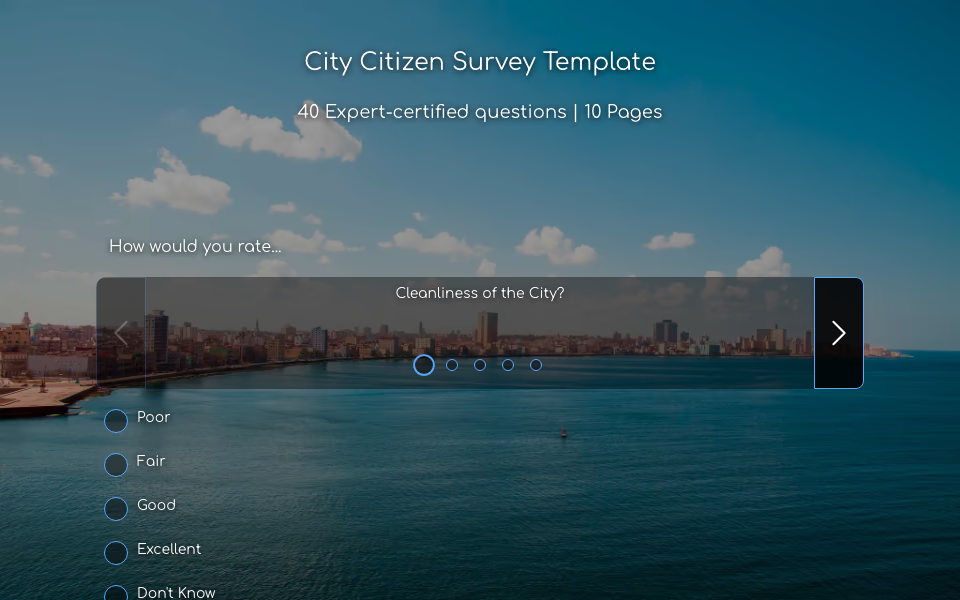 City Citizen Survey Template Let’s be real. If you’re a city mayor, council member, or public official, you’ve probably asked yourself, “Are our citizens happy? Are our city services actually helping?” Great news — you don’t have to guess. You just need to ask, and that’s where the City Citizen Survey Template from SurveyLegend comes in.
 -
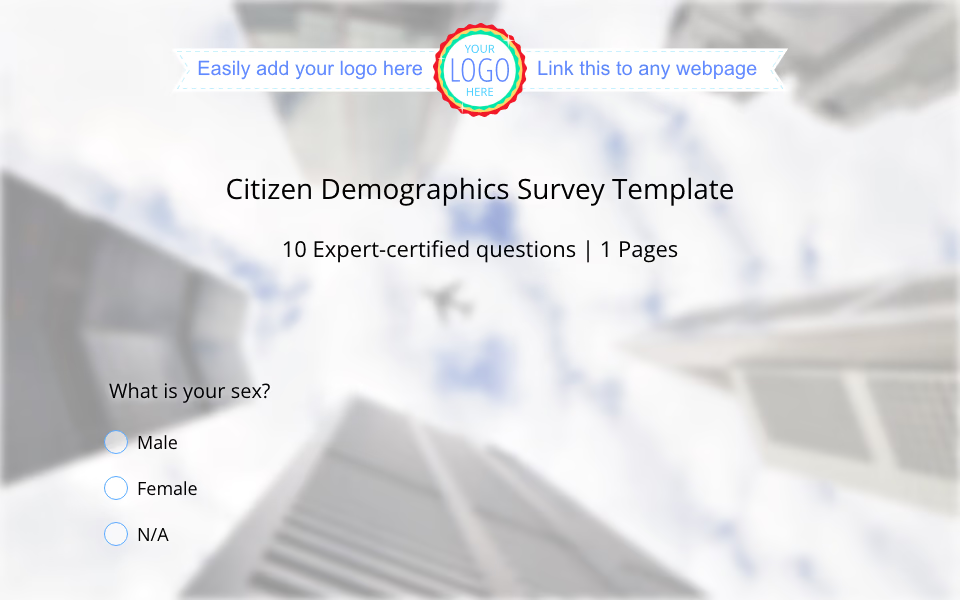 Citizen Demographic Survey Template If you’re running a city, managing a state, or leading a country, there’s one golden rule you cannot ignore: you need to know your people. And not just vaguely. We’re talking about real, up-to-date, detailed demographic information.
 -
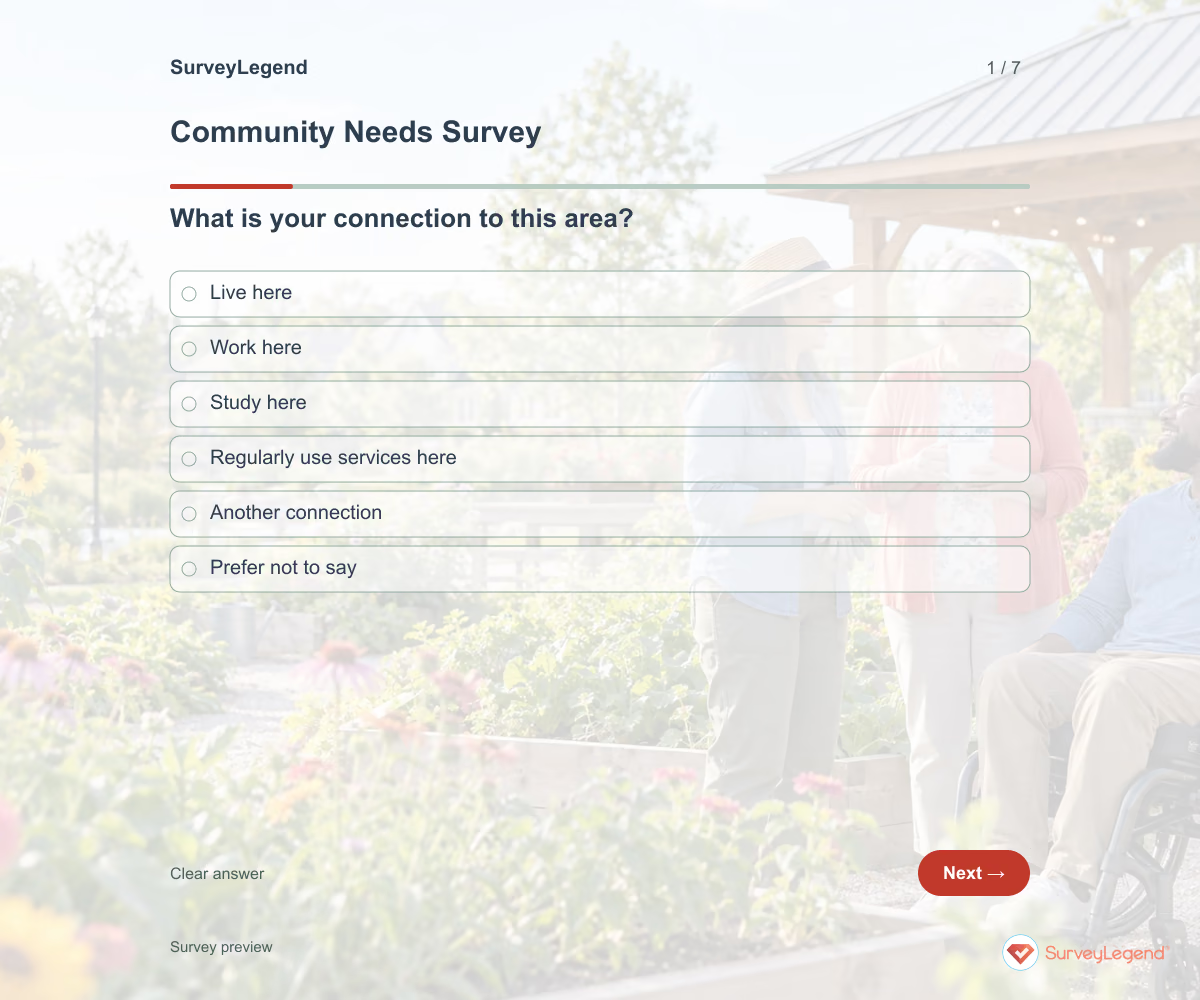 Community Needs Survey Template A useful needs survey gives residents a clear area and planning purpose. Ask about services people have tried to use, and give them a way to identify a priority without describing private circumstances. Combine responses with other evidence before allocating resources.
 -
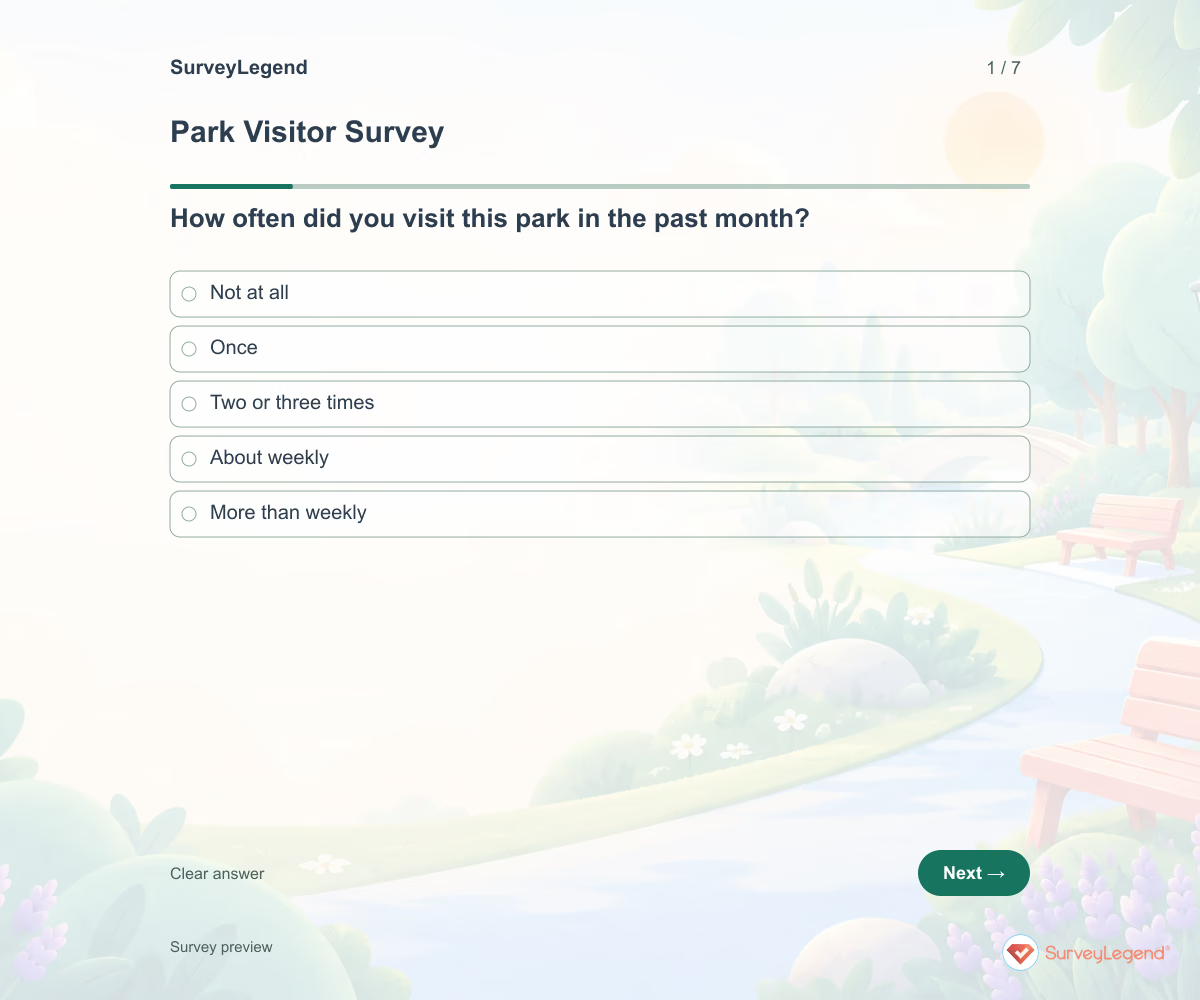 Park Visitor Survey Template Visitors may use the same park for walking, play, or quiet time. Start with their main activity and recent use before asking what needs attention. Include people who have not visited so barriers are not lost.
 -
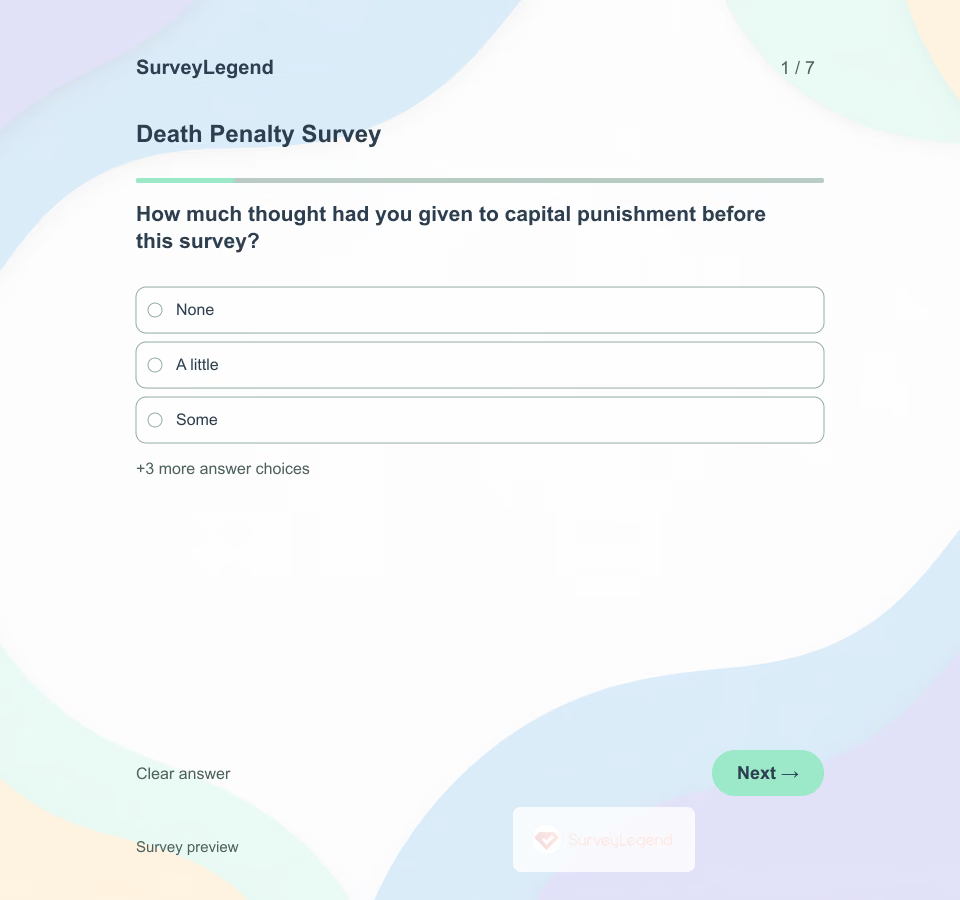 Death Penalty Survey Template An overall position does not explain how someone thinks about individual circumstances. Create this questionnaire in SurveyLegend to collect those distinctions respectfully, without graphic examples or assumptions about what a respondent ought to believe.
 -
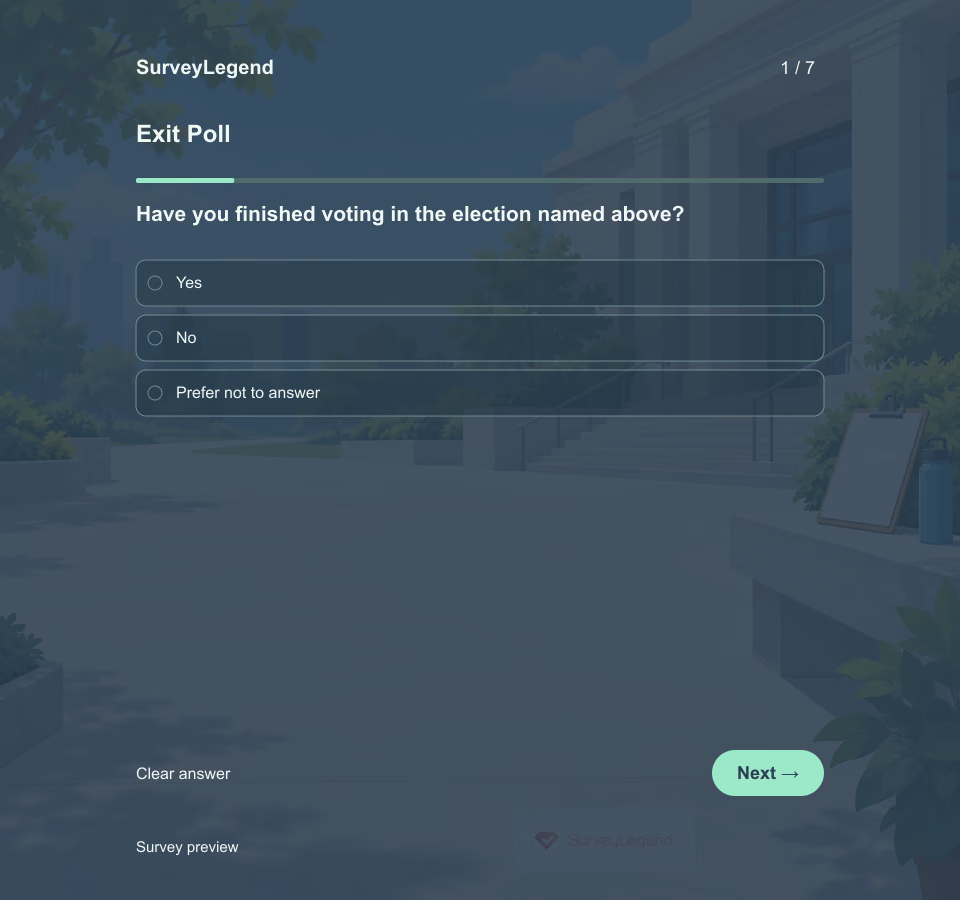 Exit Poll Template An exit poll is a survey of participating voters, not the election itself. Define the contest and sampling approach before collecting answers, and keep participation separate from voting.
 -
 Minimum Wage Survey Template “Should the minimum wage change?” can mean different things to different people. Specify the proposal's location, amount, coverage and timing before asking for an opinion. Create your questionnaire in SurveyLegend with the same neutral description for every respondent.
 -
 Neighborhood Feedback Survey Template A neighborhood feedback survey gathers place-based experience from residents and other local users. A focused version asks about one frequently used place or service so limited planning or maintenance resources can be discussed with clearer context.
Free survey maker
Start creating surveys today for free
Create and bring your ideas to life with the survey tool used by people all over the world.
Ready to collect better research data?
Create academic surveys and questionnaires from ready-made templates.