

Neighborhood Feedback Survey Template
Connect neighborhood feedback to a place people actually use. Seven optional questions combine use frequency, perceived quality, issue type, everyday impact, priority and one practical change for the next planning review.
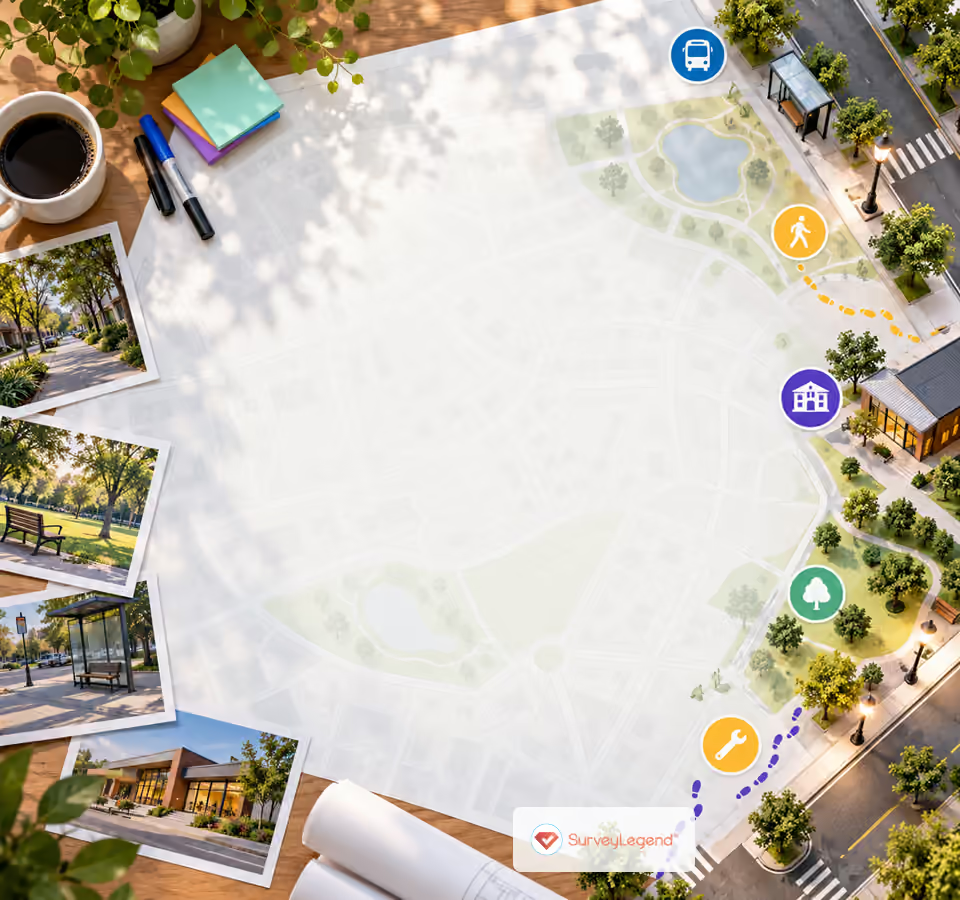
Connect neighborhood feedback to a place people actually use. Seven optional questions combine use frequency, perceived quality, issue type, everyday impact, priority and one practical change for the next planning review.
What is a Neighborhood Feedback Survey?
A neighborhood feedback survey gathers place-based experience from residents and other local users. A focused version asks about one frequently used place or service so limited planning or maintenance resources can be discussed with clearer context.
When to use this template
Use this template before a neighborhood plan, maintenance cycle or community meeting when the organizer can explain what feedback will influence. It is not an emergency line or service-request tracker. Close the loop by publishing how responses were reviewed and what happens next.
Seven optional questions
Use these seven questions as a focused starting point. Every question is optional so the creator can preserve the exact set, remove an item that does not fit the context, or adapt choices before sharing. The template is original editorial content, not a validated scale.
A little feedback. A clearer picture.
Explore this 7-question example at your own pace. Every question is optional.
Neighborhood Feedback Survey
Thank you for trying the survey!
You’ve tried the template from the respondent’s side. Make it your own with SurveyLegend.
Create your own surveyChecking submission availability…
This is a demo. We count starts and submissions only. Your answers stay in your browser and are never sent or saved.
Activity · no starts yet
How to adapt it
Replace place types with the neighborhood's actual decision scope and explain whether the survey concerns planning, maintenance or programming. If a map is later added, complete privacy and accessibility review first and avoid collecting exact personal routes. Translate and provide offline access where the engagement plan requires it. Review sensitive questions and open-ended analysis before launch. Keep each item tied to the stated task and avoid collecting data that the decision does not require.
Printable PDF version
Use the printable version at a community meeting, engagement table or neighborhood walk. It includes the same seven optional questions and writing space. Explain where completed forms should be returned and how they will be reviewed.
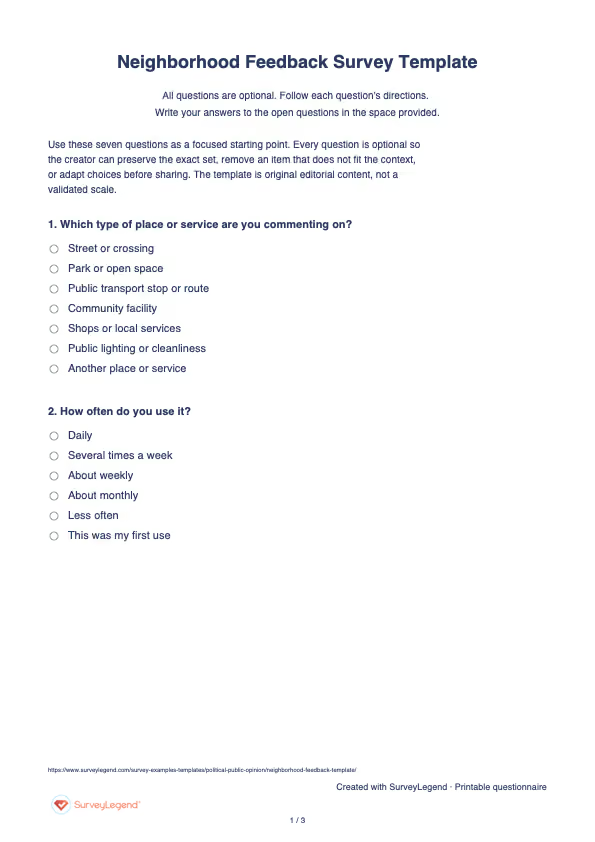
 Download printable PDF
 Create it with an AI assistant
Use the complete prompt below with an AI assistant to draft this questionnaire, then register with SurveyLegend and build or customize the survey. Compare the result with the exact questions and settings before sharing. Copying the prompt does not transfer it into SurveyLegend.
AI prompt
Copy the prompt into an AI assistant to draft the questions, then build your survey in SurveyLegend.
Sign in to SurveyLegend
How to interpret responses
Prioritize with more than raw vote totals. Cross-tab place type, use frequency, quality, everyday impact and proposed review timing; then code the open answer into location and change themes. Preserve minority and accessibility concerns, document who was underrepresented and compare suggestions with feasibility and equity evidence before deciding.
Kyttä and colleagues developed a place-based planning model using “frequency of use and perceived quality of everyday places” to identify priority categories from participatory data in Espoo, Finland. That approach supports combining use and quality here, but the study used public-participation GIS and does not validate this non-map survey. See Kyttä et al. .
Frequently asked questions
Should the survey ask for a home address?
No. Define the neighborhood and ask about a place or service without collecting a respondent's exact residence or routine.
Do the most votes determine the project?
Not by themselves. Combine frequency, quality, impact, equity, feasibility and representation before making a decision.
How should organizers close the feedback loop?
Publish what was heard, how responses were reviewed, which decisions were influenced and why some suggestions cannot proceed yet.
-
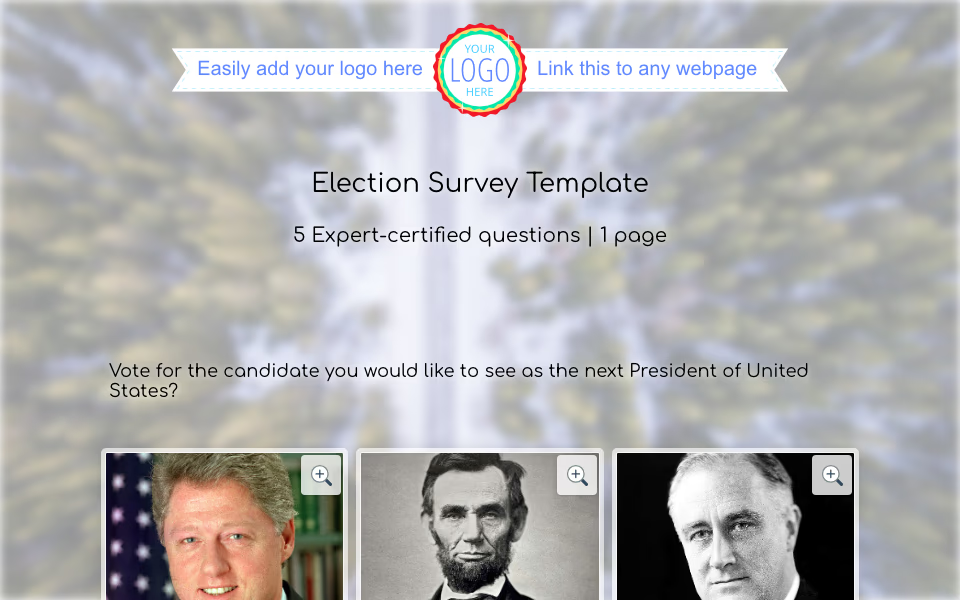 Election Survey Template Elections are everywhere. From high school prom royalty to class president, from “employee of the month” to the real-deal mayor or president—voting is how we make choices. But what if we told you that running your poll could be both powerful and surprisingly fun?
 -
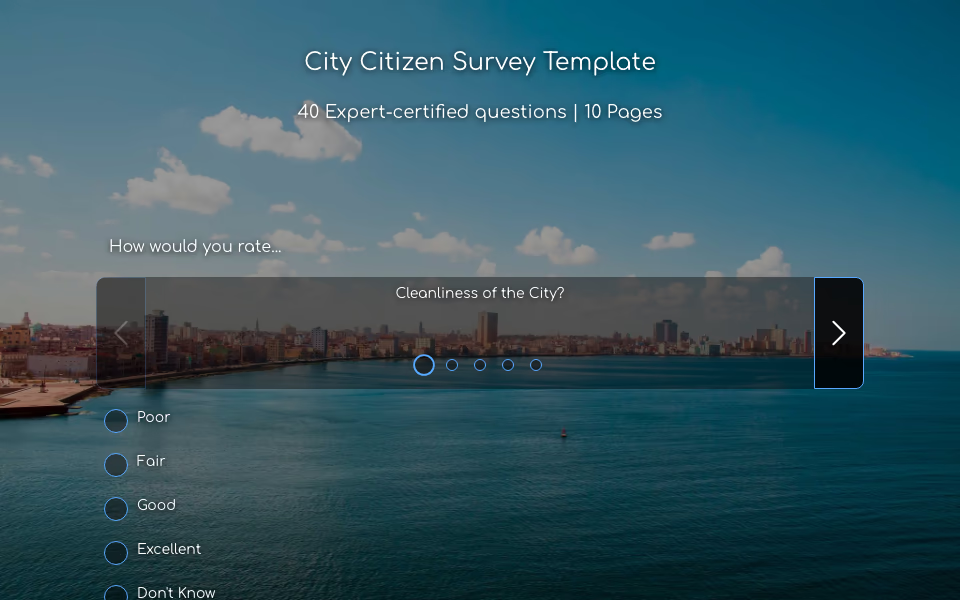 City Citizen Survey Template Let’s be real. If you’re a city mayor, council member, or public official, you’ve probably asked yourself, “Are our citizens happy? Are our city services actually helping?” Great news — you don’t have to guess. You just need to ask, and that’s where the City Citizen Survey Template from SurveyLegend comes in.
 -
 Citizen Demographic Survey Template If you’re running a city, managing a state, or leading a country, there’s one golden rule you cannot ignore: you need to know your people. And not just vaguely. We’re talking about real, up-to-date, detailed demographic information.
 -
 Community Needs Survey Template A useful needs survey gives residents a clear area and planning purpose. Ask about services people have tried to use, and give them a way to identify a priority without describing private circumstances. Combine responses with other evidence before allocating resources.
 -
 Park Visitor Survey Template Visitors may use the same park for walking, play, or quiet time. Start with their main activity and recent use before asking what needs attention. Include people who have not visited so barriers are not lost.
 -
 Death Penalty Survey Template An overall position does not explain how someone thinks about individual circumstances. Create this questionnaire in SurveyLegend to collect those distinctions respectfully, without graphic examples or assumptions about what a respondent ought to believe.
 -
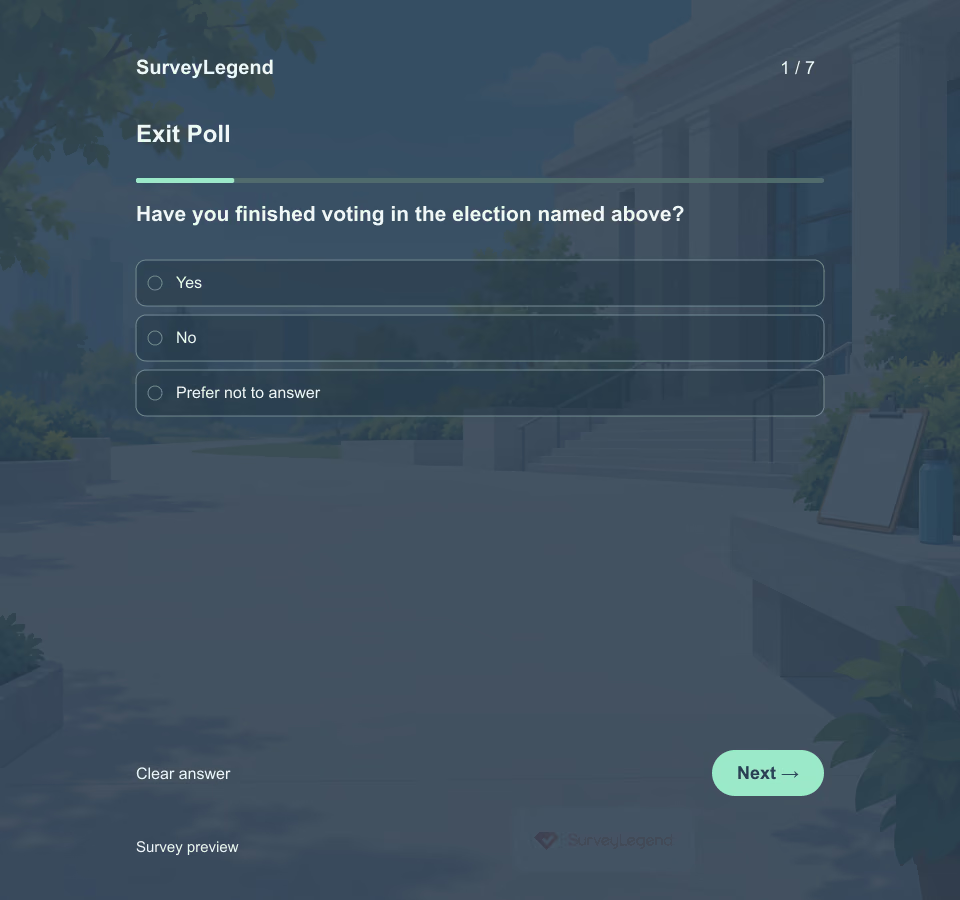 Exit Poll Template An exit poll is a survey of participating voters, not the election itself. Define the contest and sampling approach before collecting answers, and keep participation separate from voting.
 -
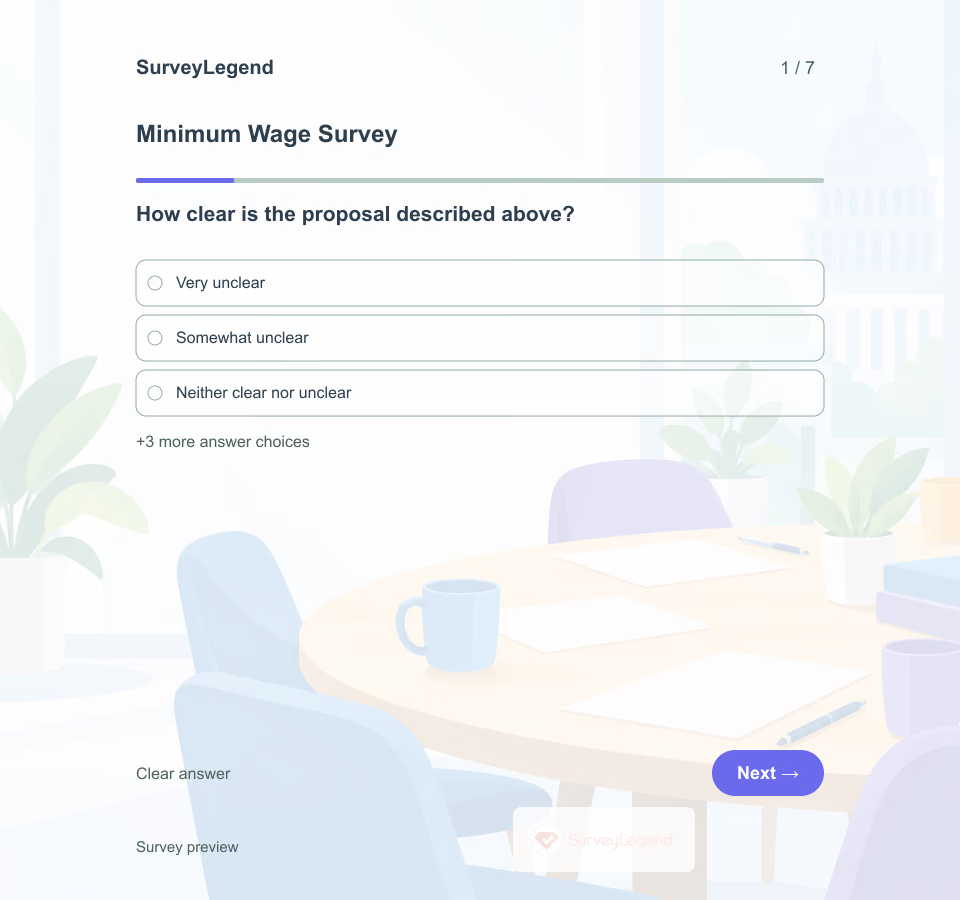 Minimum Wage Survey Template “Should the minimum wage change?” can mean different things to different people. Specify the proposal's location, amount, coverage and timing before asking for an opinion. Create your questionnaire in SurveyLegend with the same neutral description for every respondent.
 -
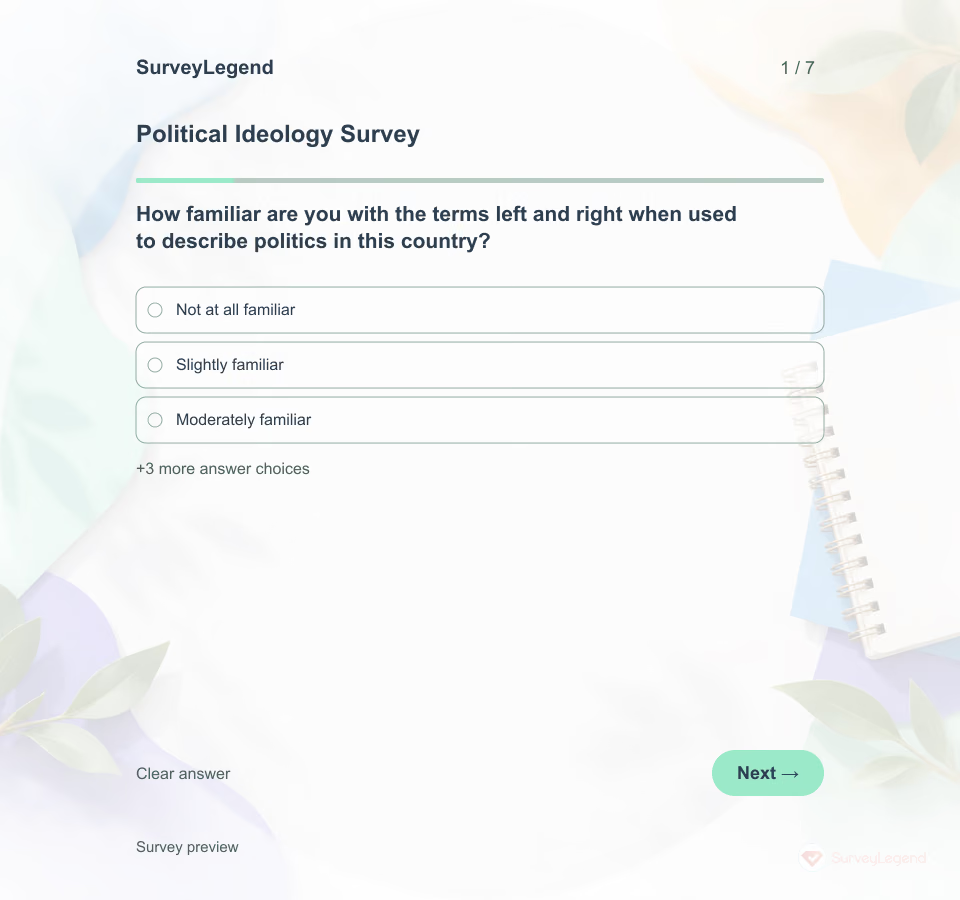 Political Ideology Survey Template This political ideology survey asks adults how they describe their own views and how useful familiar political labels feel to them. It does not assign a political type, infer a party choice or produce an ideology score. Build the questionnaire in SurveyLegend for a clearly explained academic or civic education purpose.
Free survey maker
Start creating surveys today for free
Create and bring your ideas to life with the survey tool used by people all over the world.
Ready to collect better research data?
Create academic surveys and questionnaires from ready-made templates.