

Beer Tasting Survey Template
This beer tasting survey records reactions to one coded beer sample. Seven optional questions separate overall liking from aroma, bitterness, carbonation, and finish, helping you choose which attribute to explore in the next trial.
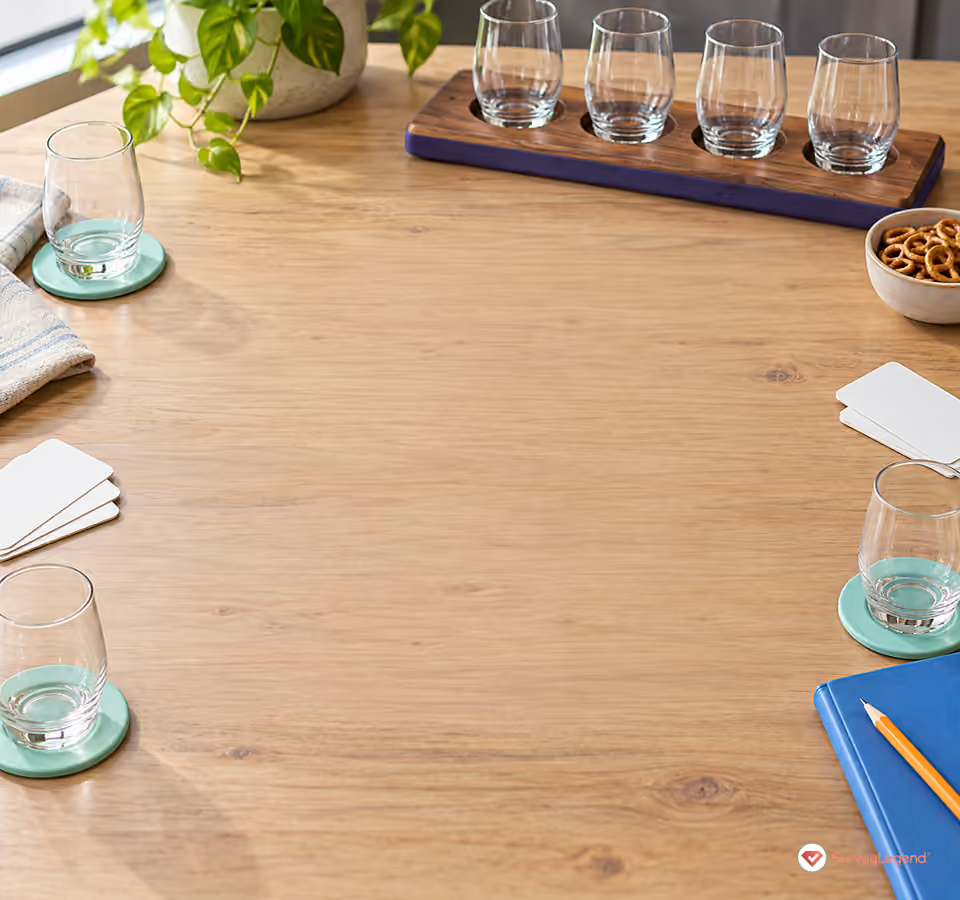
This beer tasting survey records reactions to one coded beer sample. Seven optional questions separate overall liking from aroma, bitterness, carbonation, and finish, helping you choose which attribute to explore in the next trial.
When to use this beer tasting survey
Use the form during an organized tasting with eligible adults who choose to participate. Identify the sample consistently and give the same serving instructions to each participant. SurveyLegend's example collects stated preferences; it does not determine alcohol content, product safety or technical brewing quality.
What the answers help you decide
A beer can be well liked overall while its bitterness feels too strong to some tasters. Ask about those experiences separately before deciding what to adjust. For a tasting that does not need beer-specific attributes, the broader food evaluation form offers a more general starting point.
Seven questions for your beer tasting survey
Evaluate only the coded sample provided for this tasting. Participate only if the organizer has confirmed eligibility and suitability; tasting is optional. Answer from your own experience, skip anything you cannot assess, and do not include personal health details.
A little feedback. A clearer picture.
Explore this 7-question example at your own pace. Every question is optional.
Beer Tasting Survey
Thank you for trying the survey!
You’ve tried the template from the respondent’s side. Make it your own with SurveyLegend.
Create your own surveyChecking submission availability…
This is a demo. We count starts and submissions only. Your answers stay in your browser and are never sent or saved.
Activity · no starts yet
Adapt the beer tasting survey to your audience
Keep the sample code and serving conditions consistent, including the time between pouring and evaluation. Provide ingredient and suitability information separately; never remove necessary information to create a blind test. Avoid describing the sample as premium, refreshing or award-winning before tasting. If comparing recipes, collect a separate response for each coded sample and plan the tasting order before the session.
Printable beer tasting survey
Place one blank form beside each coded sample for participants who prefer paper. Keep sample identifiers consistent when the organizer reviews the forms. Handwritten answers require separate entry or analysis; they are not automatically added to SurveyLegend results.
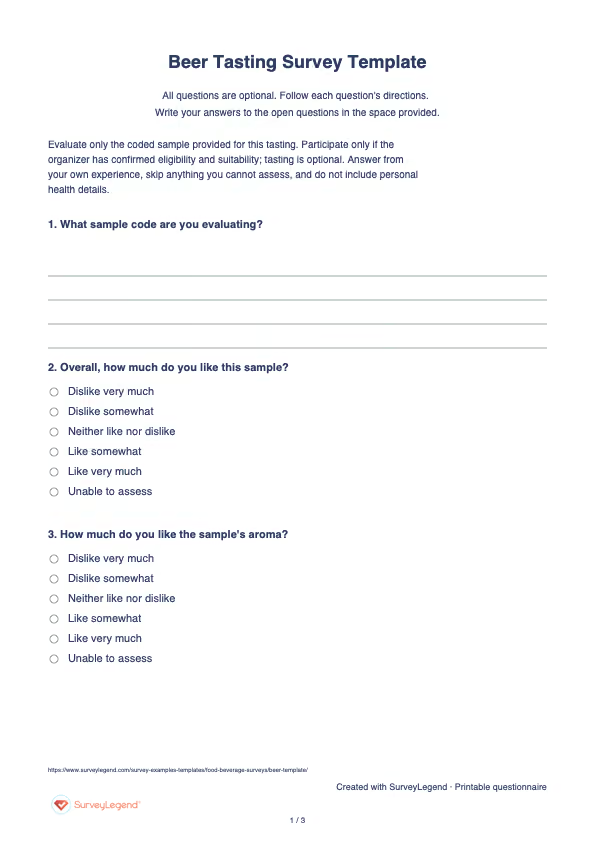
 Download the beer tasting survey PDF
 Create your beer tasting survey with an AI prompt
Copy this prompt into an AI assistant to draft the questions. Review the draft, then build and customize the survey in SurveyLegend before sharing.
Copy the prompt into an AI assistant to draft the questions, then build your survey in SurveyLegend.
Already have an account? Sign in to create your beer tasting survey after copying the prompt.
Interpret your beer tasting survey responses
Group responses by sample code, and report how many people answered each attribute. Keep unable-to-assess responses outside liking counts. Examine the distribution of bitterness and carbonation preferences instead of averaging opposite opinions into about right. Review finish comments separately from aroma. Use SurveyLegend's open-ended data guidance to organize the requested changes. These results suggest the next trial; they do not establish market demand or certify a winning recipe.
Gonzalez Viejo and colleagues' 2019 study included ratings of “foam, color, aroma, mouthfeel, taste, flavor” (abstract). Their beer sensory study illustrates the value of separating attributes. The study also used biometric methods; this original questionnaire does not reproduce that method, collect biometrics or inherit its findings about prediction accuracy.
Frequently asked questions
Can the form evaluate nonalcoholic beer?
Yes, when the organizer provides an accurately labeled, suitable sample and adapts the tasting instructions. The form evaluates sensory preference and does not verify alcohol content.
Does about right mean the recipe is objectively correct?
No. It describes a participant's preference. Different tasters can prefer different levels of bitterness or carbonation.
Can I compare several samples?
Use one response per coded sample and consistent serving conditions. This example does not automatically randomize samples or perform a formal sensory experiment.
-
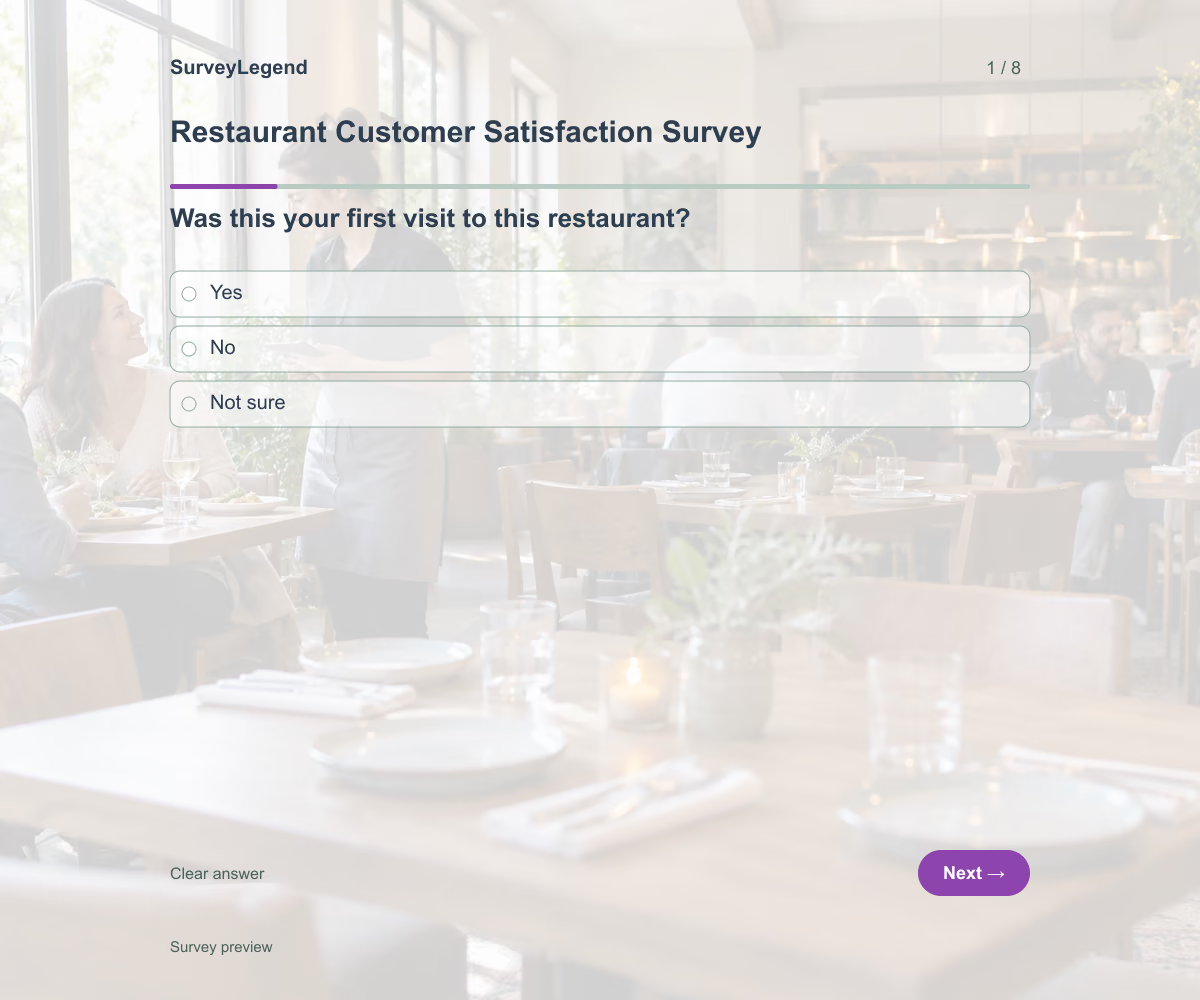 Restaurant Customer Satisfaction Survey Template This restaurant customer satisfaction survey template helps you find out what diners enjoyed and what needs attention. Its eight questions cover food, service, waiting time, value, and the overall visit. Adapt the questionnaire to your restaurant, then create your survey with SurveyLegend.
 -
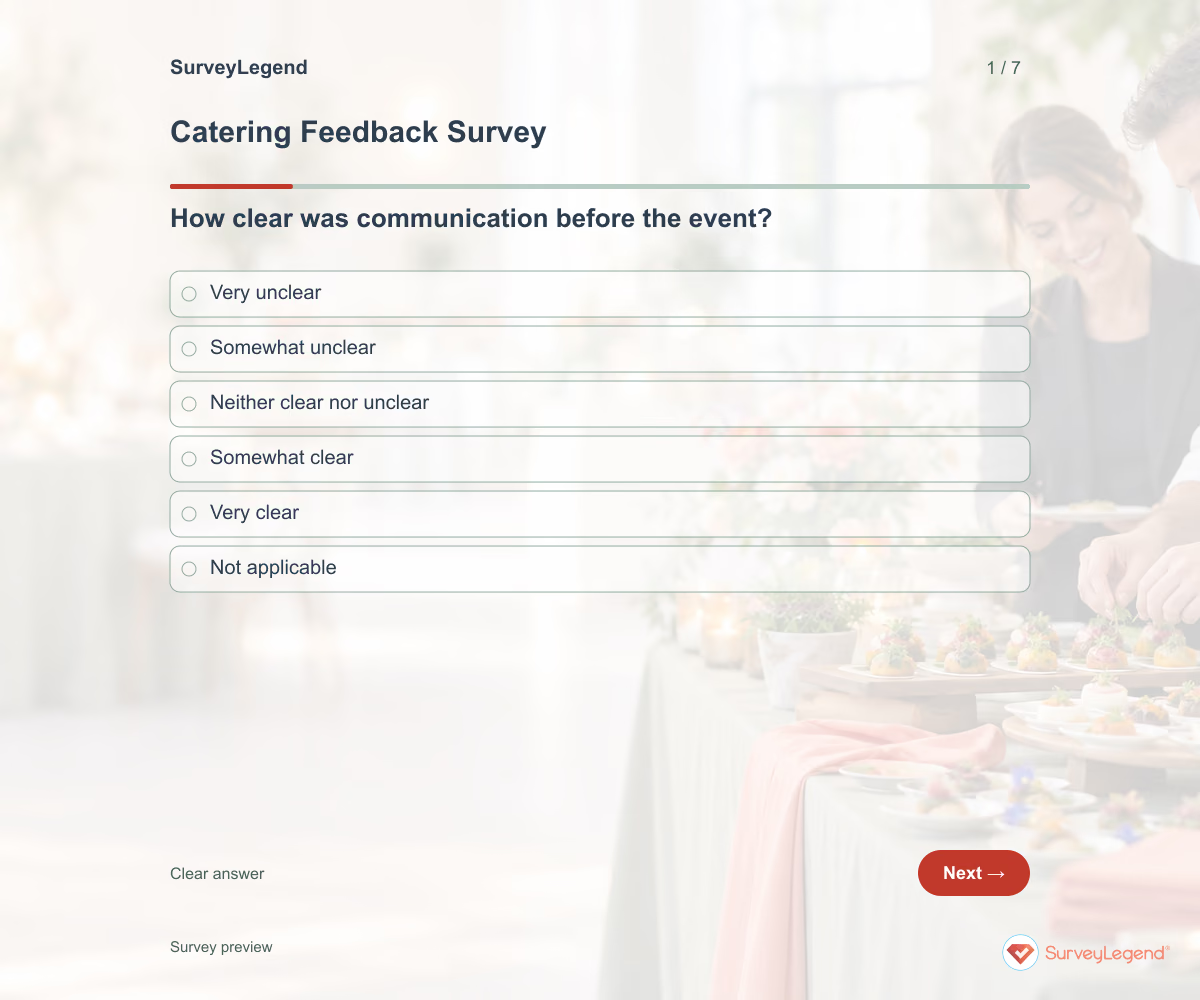 Catering Feedback Survey Template Catering feedback is most useful when the respondent can see the whole service agreement. Ask the organizer about planning and delivery, and use a separate guest questionnaire if you need individual meal preferences. Keep each response tied to one event.
 -
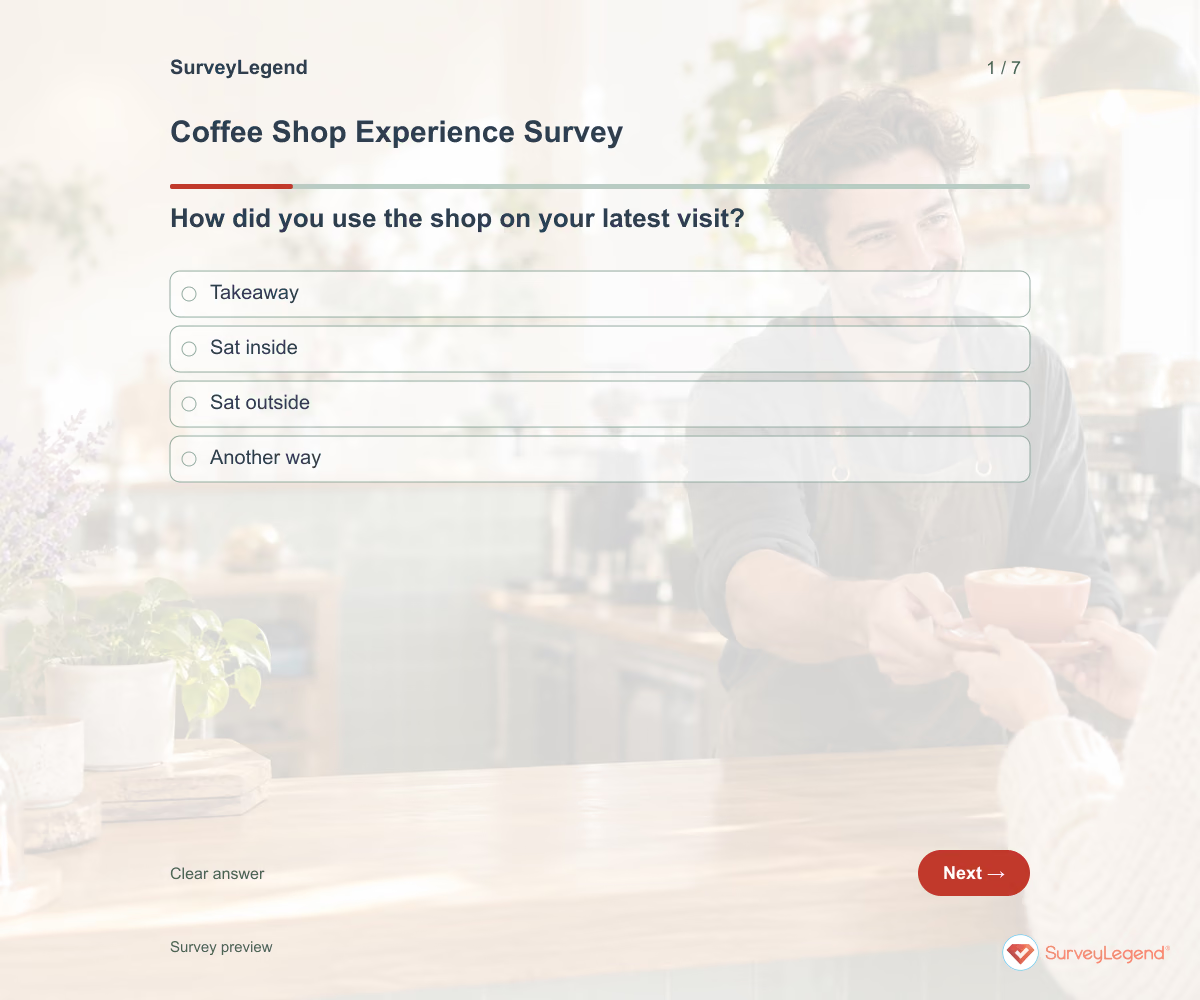 Coffee Shop Experience Survey Template A takeaway coffee and a long café visit create different expectations. Start with how the customer used the shop, then ask about the parts of the visit they experienced. Keep comments connected to that visit rather than asking for a general opinion of the brand.
 -
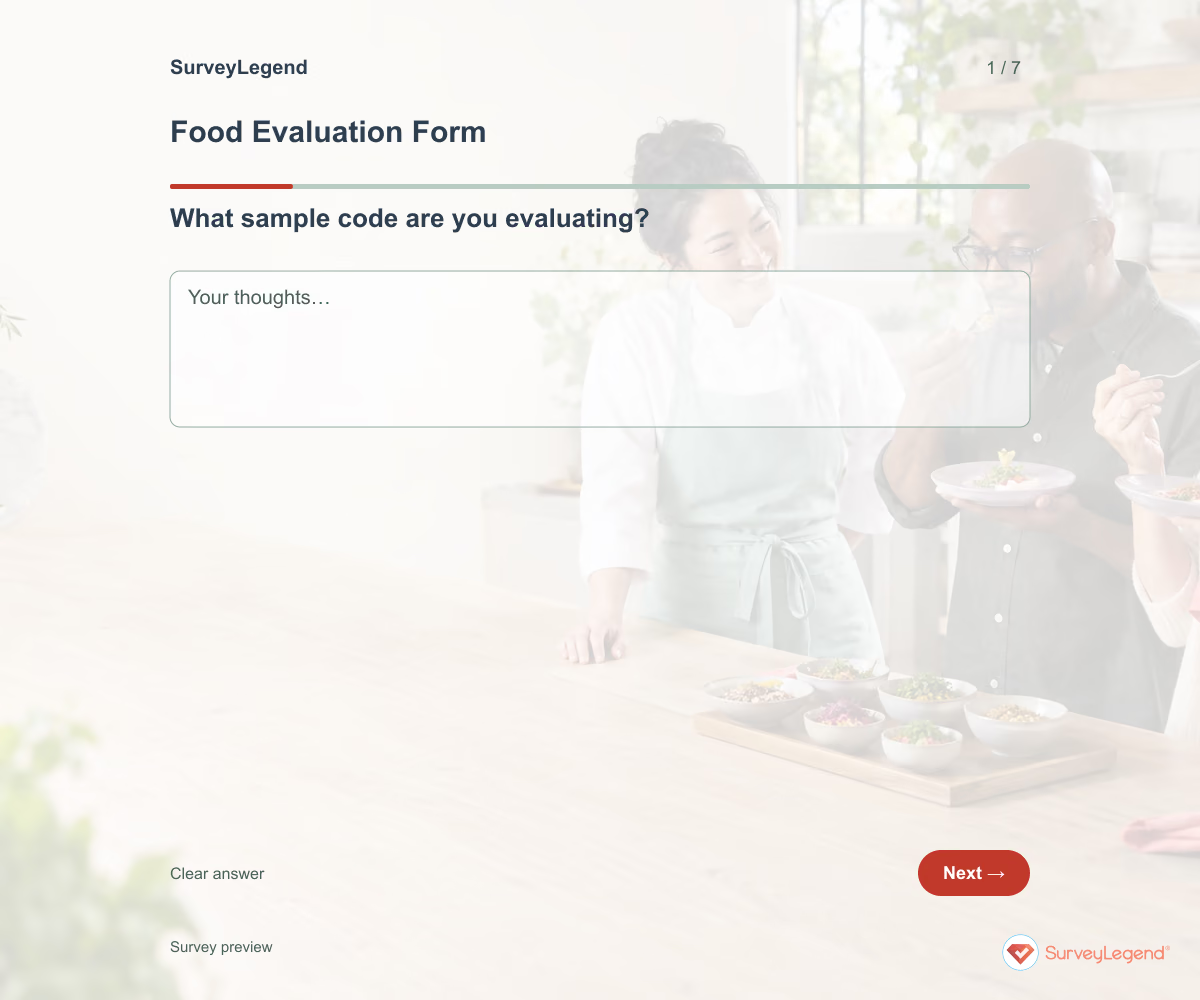 Food Evaluation Form Template A tasting form should tell you which part of a sample people liked, not just whether they liked it overall. Give every taster the same sample identifier and evaluation instructions. Use the findings to guide a recipe trial rather than to certify quality or safety.
 -
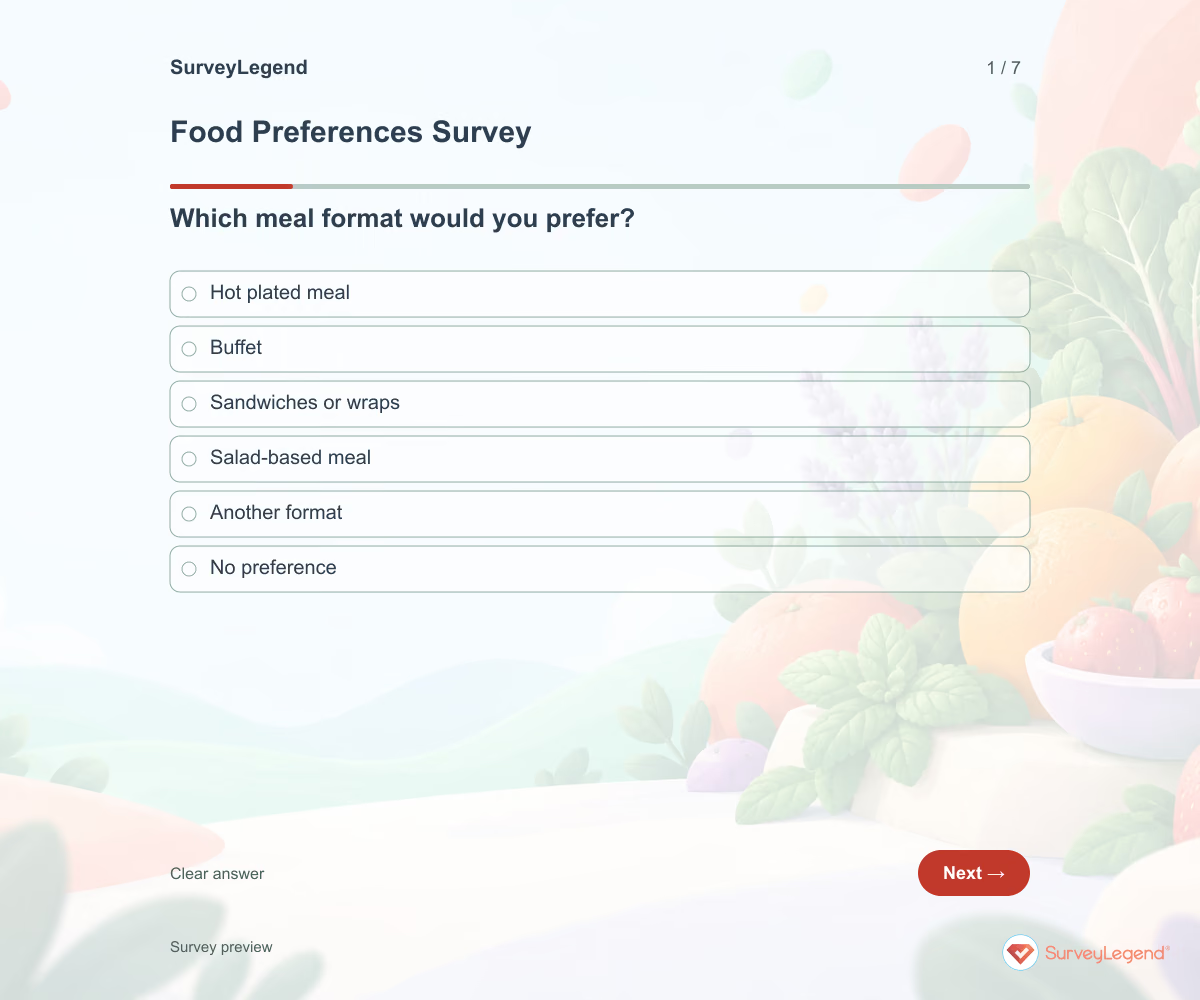 Food Preferences Survey Template People can dislike a menu without being dissatisfied with the service. Ask about preferences before planning the meal, with a clear setting and audience. Keep preference research separate from the process used to confirm individual dietary needs.
 -
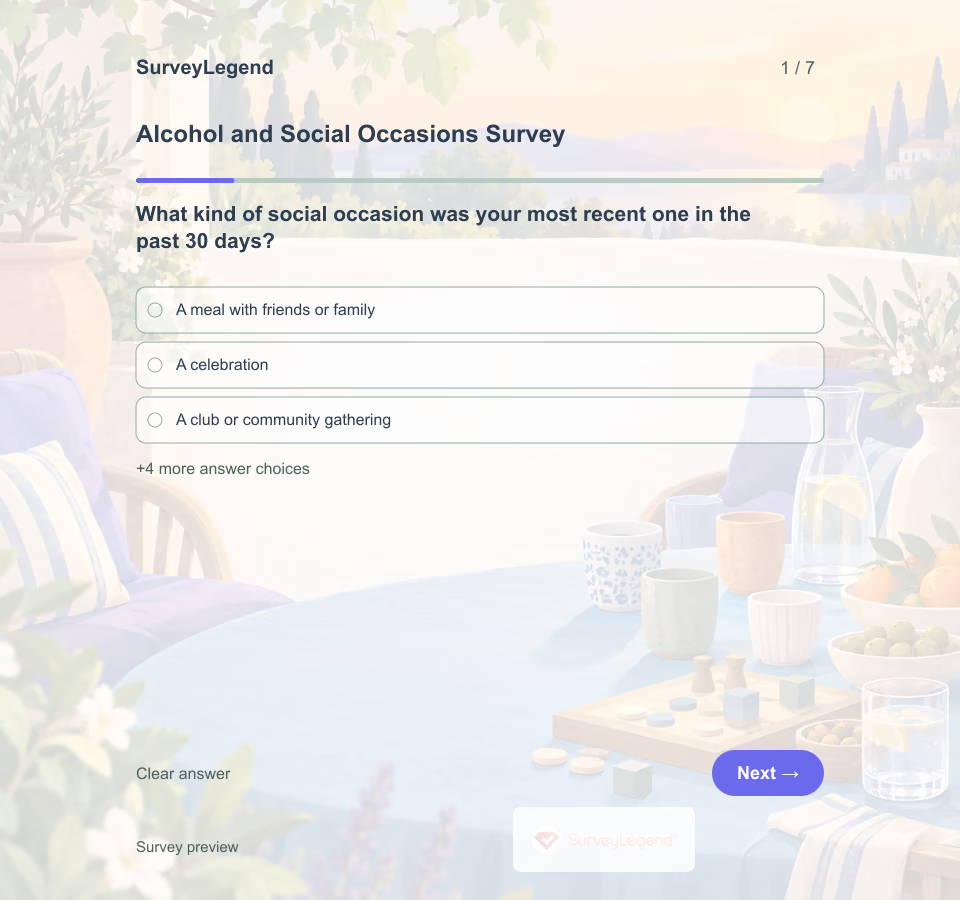 Alcohol and Social Occasions Survey Template This alcohol and social occasions survey helps organizers understand drink choices, alcohol-free options and whether guests feel comfortable choosing for themselves. It includes adults who do not drink. Build the seven-question version in SurveyLegend and use it to plan practical changes without requesting a personal drinking history.
 -
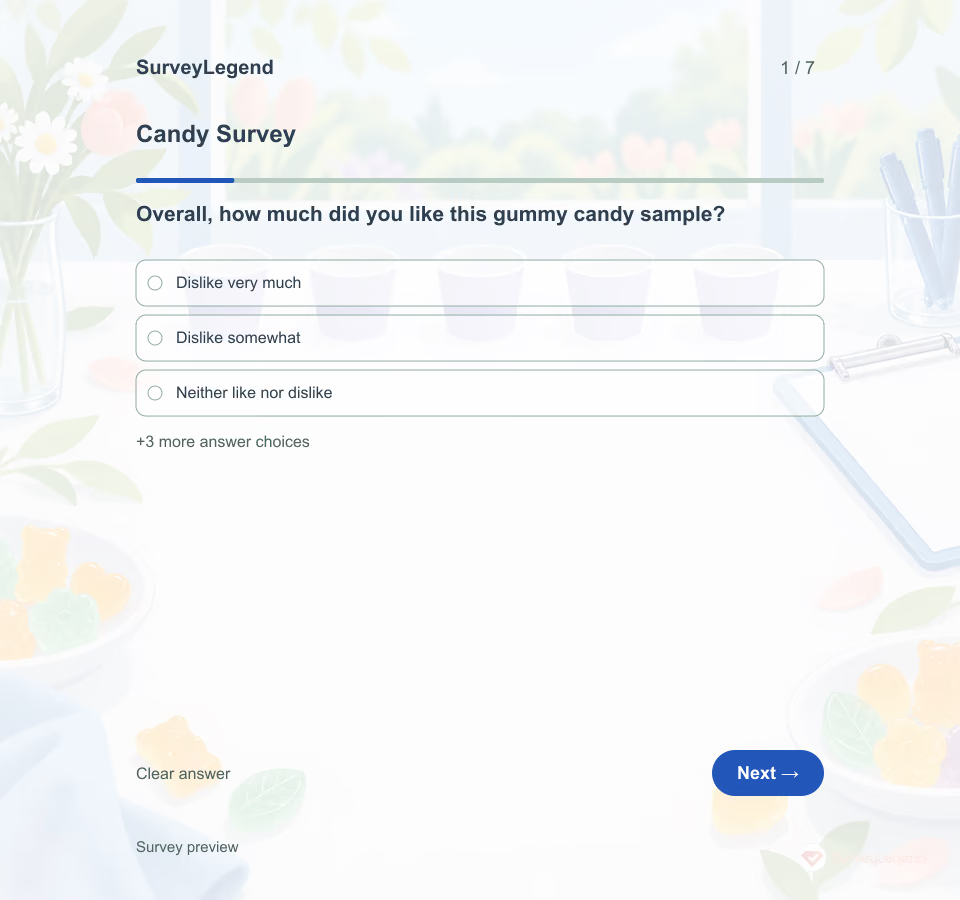 Candy Survey Template This candy survey focuses on adult feedback about a labeled gummy candy sample. Its seven optional questions separate overall liking from sweetness, firmness, stickiness, flavor strength, and aftertaste. Use it during an organized tasting with clear sample identification. The results help a confectionery team choose what to investigate next; they do not test food safety or nutritional quality.
 -
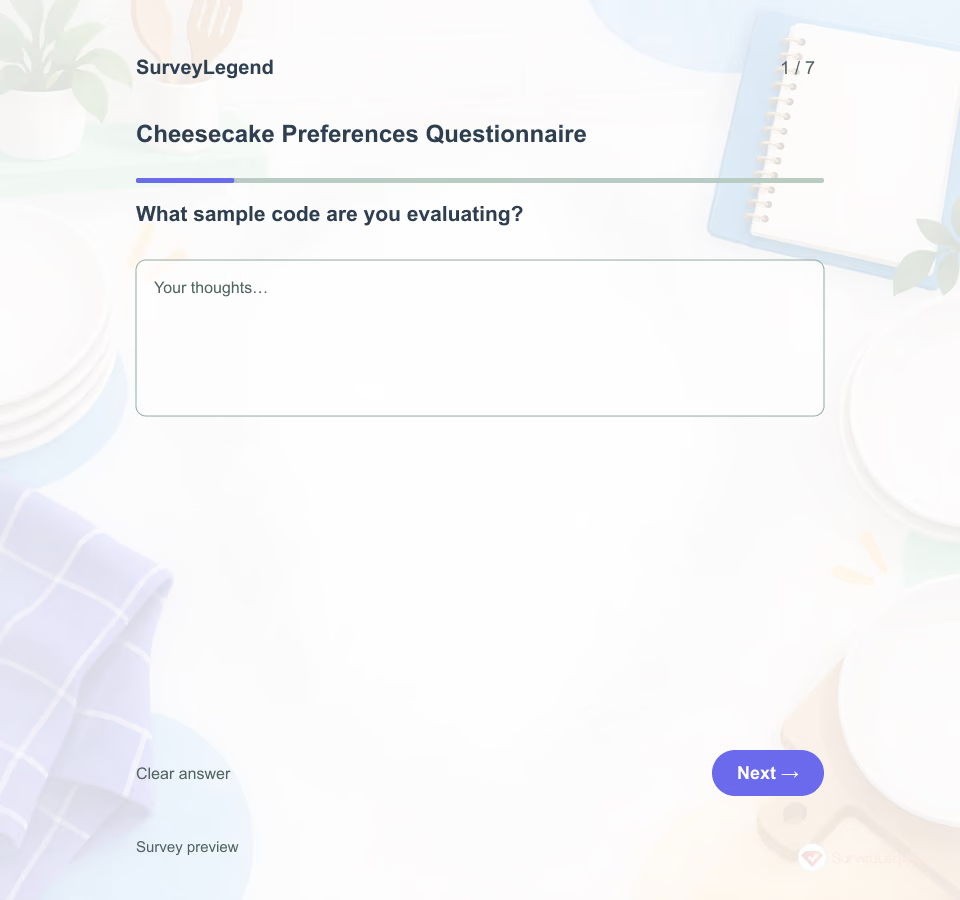 Cheesecake Preferences Questionnaire Template Ask for feedback just after participants try one clearly identified sample. A light Japanese-style cheesecake and a dense baked cheesecake invite different expectations, so name the intended style before interpreting answers. Adapt this SurveyLegend questionnaire to a recipe trial rather than treating every taster as a judge of one universal ideal.
 -
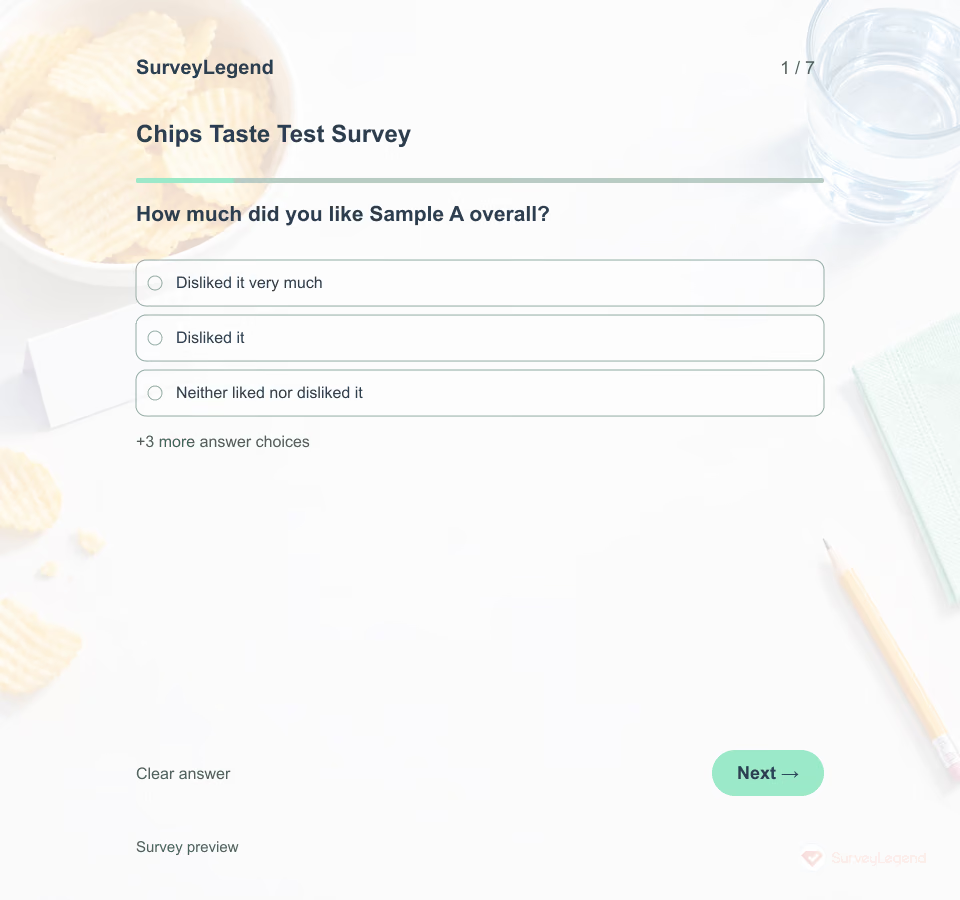 Chips Taste Test Survey Template Broad questions about favorite snacks do not tell a product team what to change. This template asks adult tasters to review one coded Sample A immediately after tasting it. The questions separate overall liking from crunch, seasoning, flavor, and aftertaste before asking for one priority and one next experiment. Food safety, allergen screening, participant consent, and sample preparation must be handled outside the survey.
 -
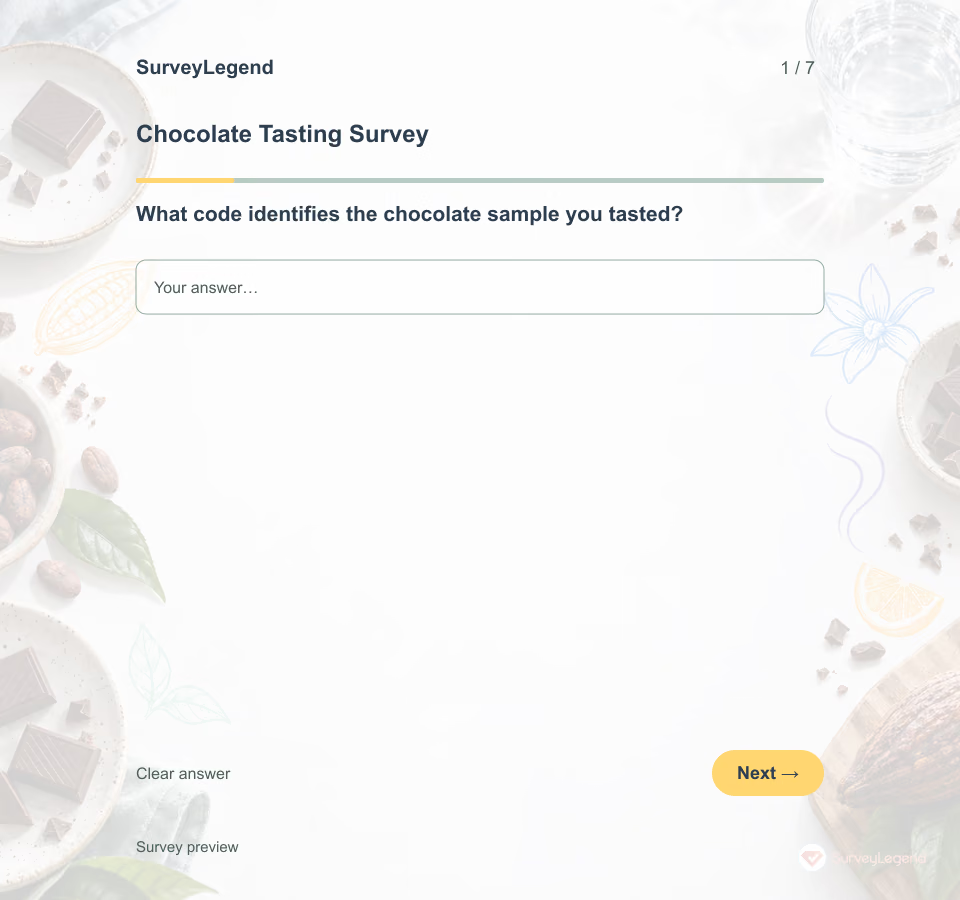 Chocolate Tasting Survey Template Use this template after someone tastes one coded chocolate sample. Keep the brand, price and packaging out of view when the decision concerns the product itself. A short, consistent questionnaire makes it easier to compare reactions without asking tasters to become technical sensory experts.
 -
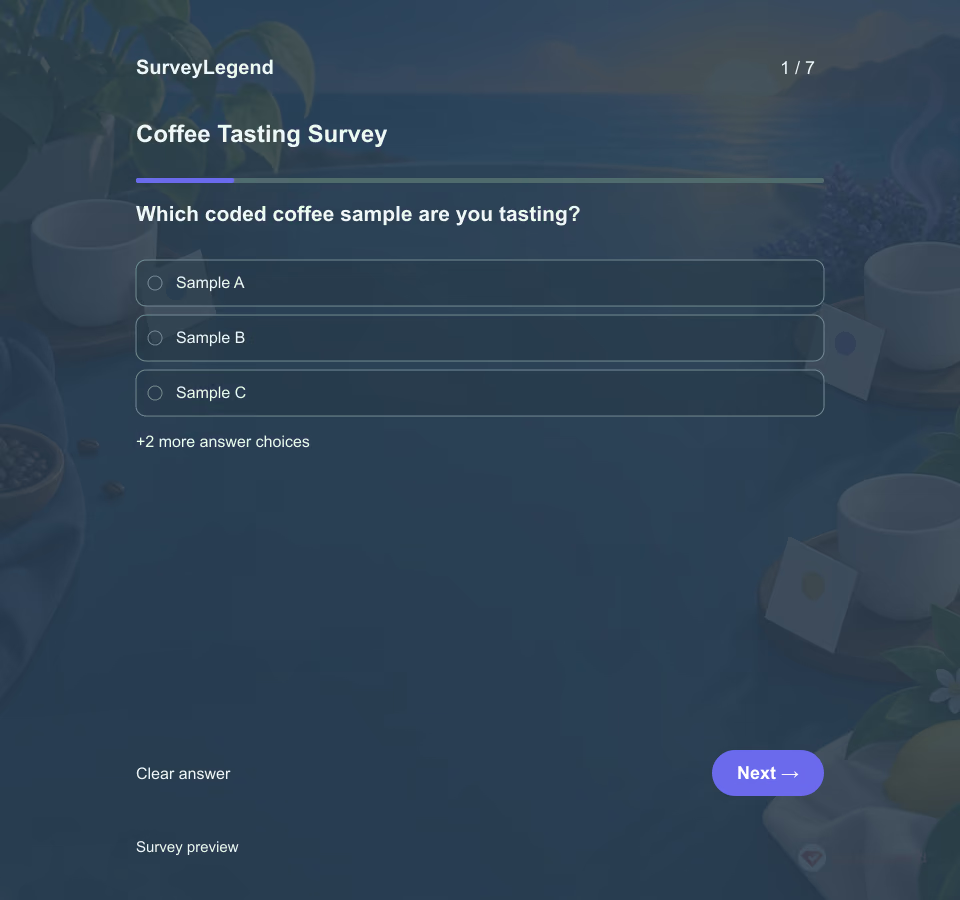 Coffee Tasting Survey Template A high overall score will not tell a roaster whether a brew felt too bitter or lacked aroma. SurveyLegend helps a tasting host collect specific impressions while the samples can still be compared.
 -
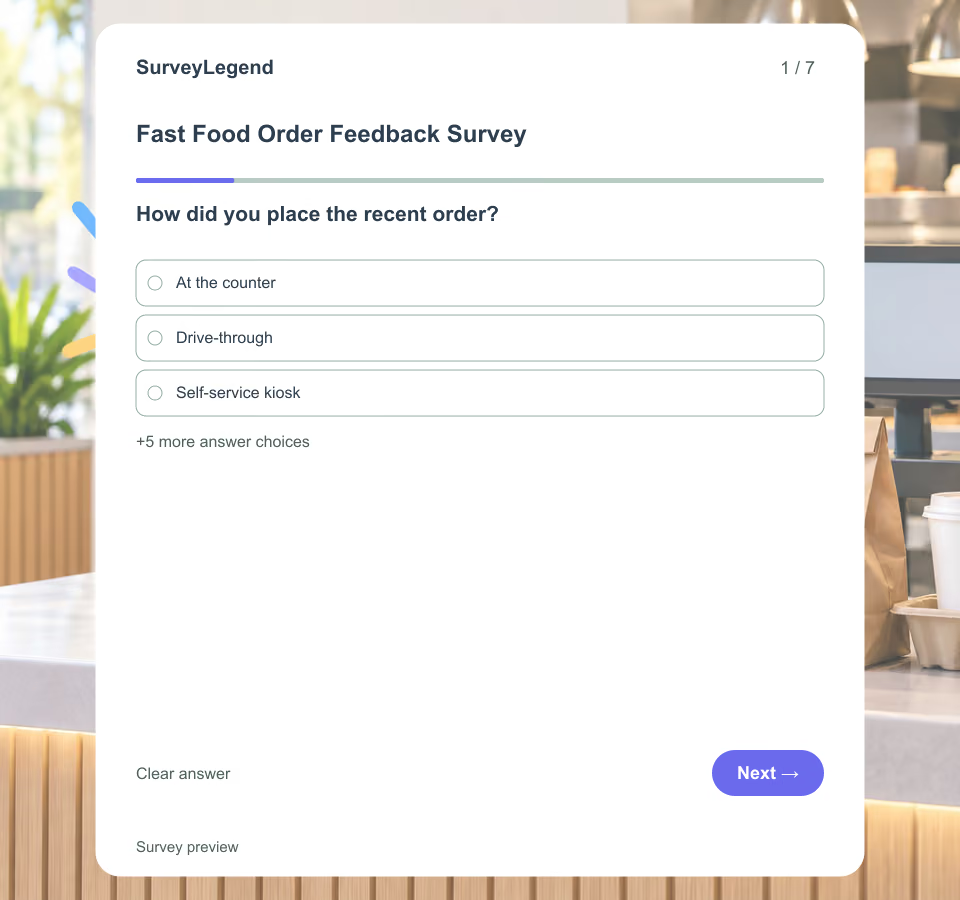 Fast Food Order Feedback Survey Template Ask about one recent order while the details are still easy to recall. Anchoring each response to a specific visit or order helps the team connect an accuracy, wait or food-condition problem to the channel where it occurred. This questionnaire measures reported experience; it does not inspect food safety or prove why a problem happened.
 -
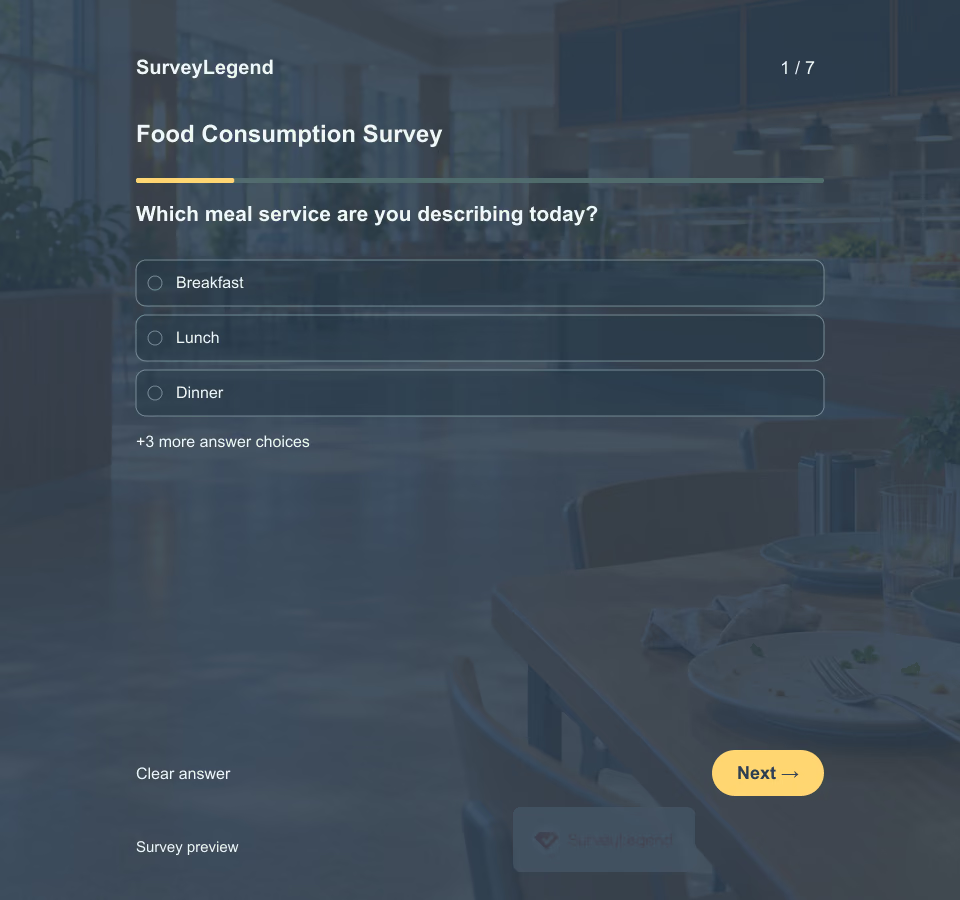 Food Consumption Survey Template Invite adults as they leave a named dining hall or canteen service. Identify the location, meal and date before sharing the form, and invite people consistently rather than selecting only satisfied diners. The questions cover a main item and whether anything else was consumed; they do not capture everything a person ate or diagnose nutrition needs. Do not request names, allergies or medical details.
 -
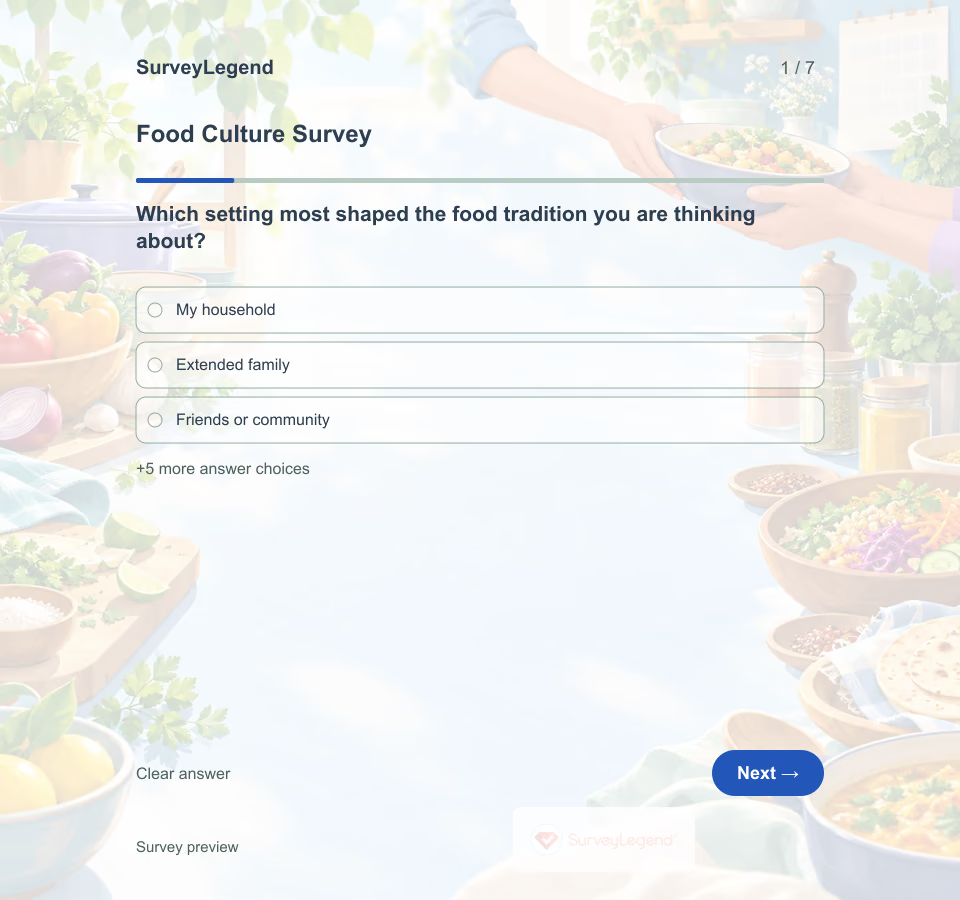 Food Culture Survey Template Use this template when a museum, school, library, or community group wants comparable answers about lived food traditions. Name the program and ask respondents to focus on one practice or dish. For a public activity, explain how written examples may be summarized and let people skip details they prefer not to share.
 -
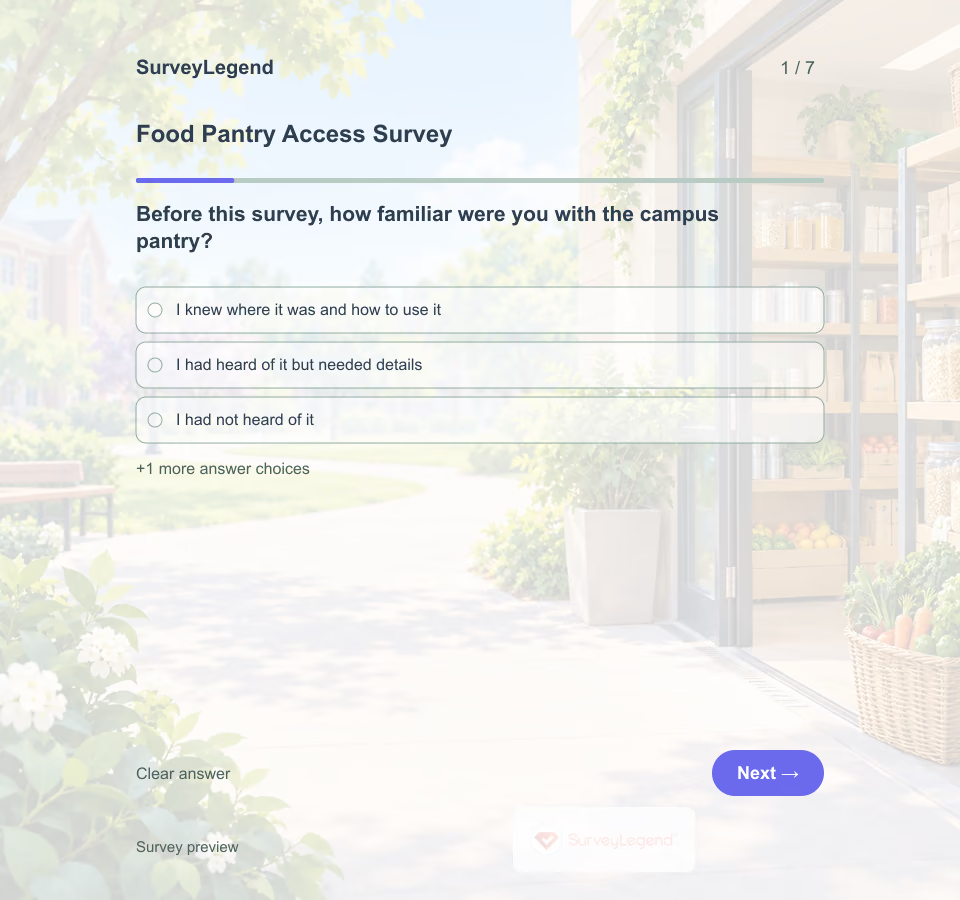 Food Pantry Access Survey Template A pantry can be available without being easy to use. Some students may not know where it is, while others cannot visit during opening hours. Create this questionnaire in SurveyLegend to hear from both visitors and people the service has not reached.
 -
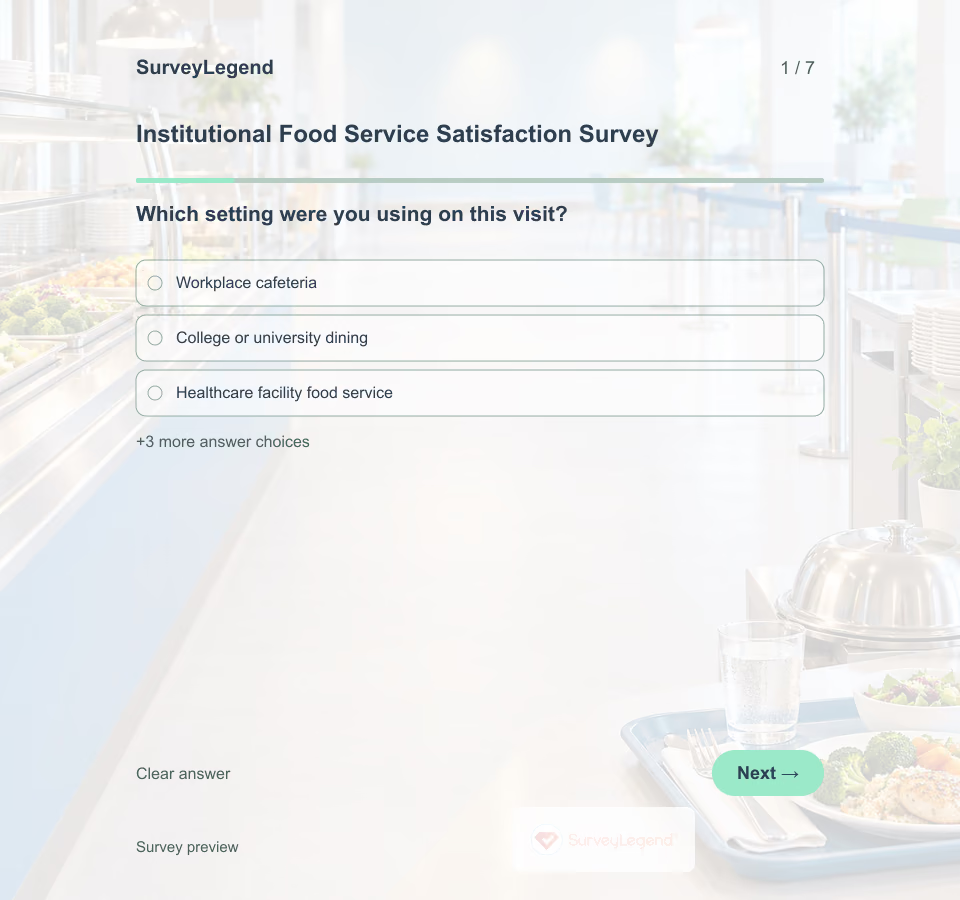 Institutional Food Service Satisfaction Survey Template Send this seven-question survey after a recent meal or during a short review period. Tying every response to one visit makes results easier to interpret than broad opinions about food service in general.
 -
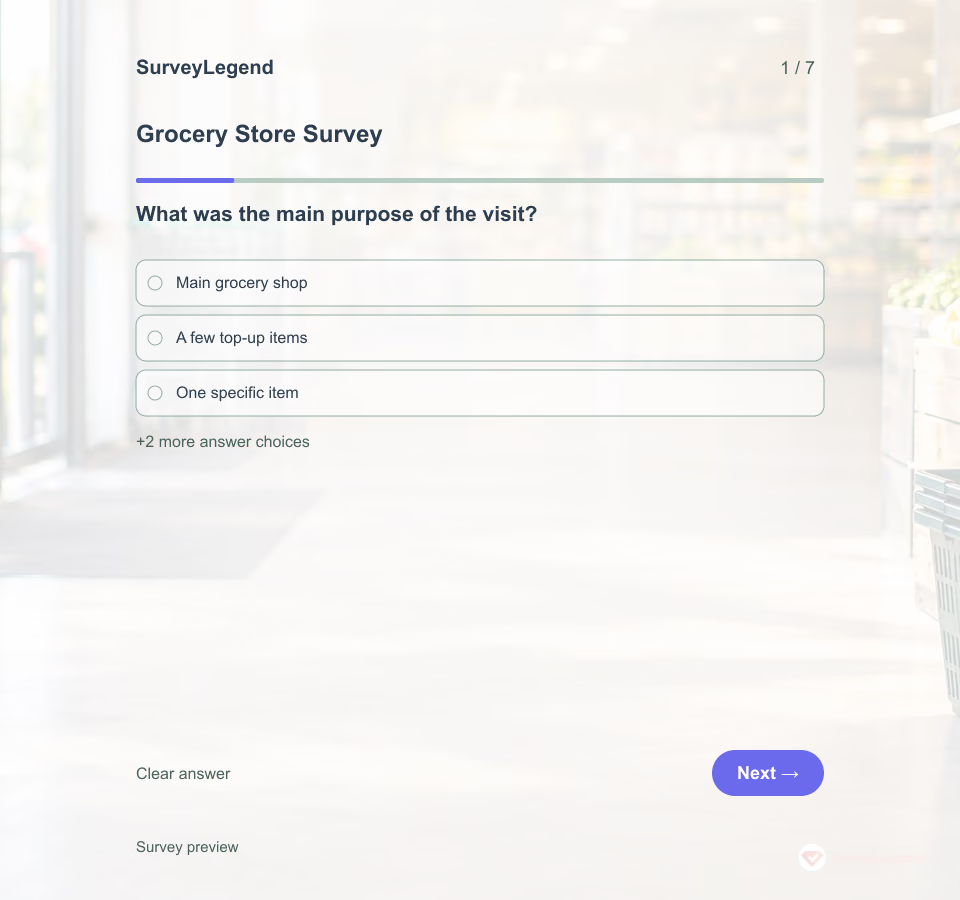 Grocery Store Survey Template A shopper buying one item may encounter a different problem from someone completing a weekly grocery shop. Begin with the purpose of the visit, then ask whether the store helped the shopper complete it.
 -
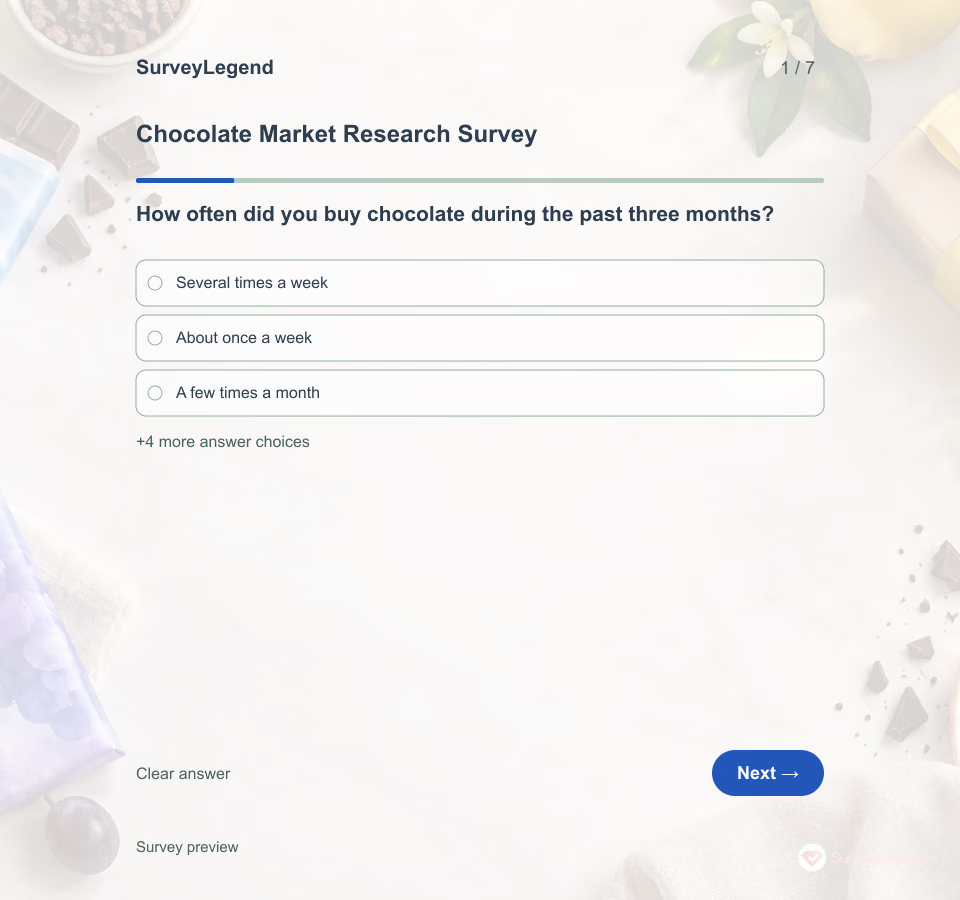 Chocolate Market Research Survey Template Chocolate bought as a small treat may serve a different purpose from chocolate chosen as a gift. This SurveyLegend questionnaire starts with purchase context so product ideas are tied to a real occasion.
 -
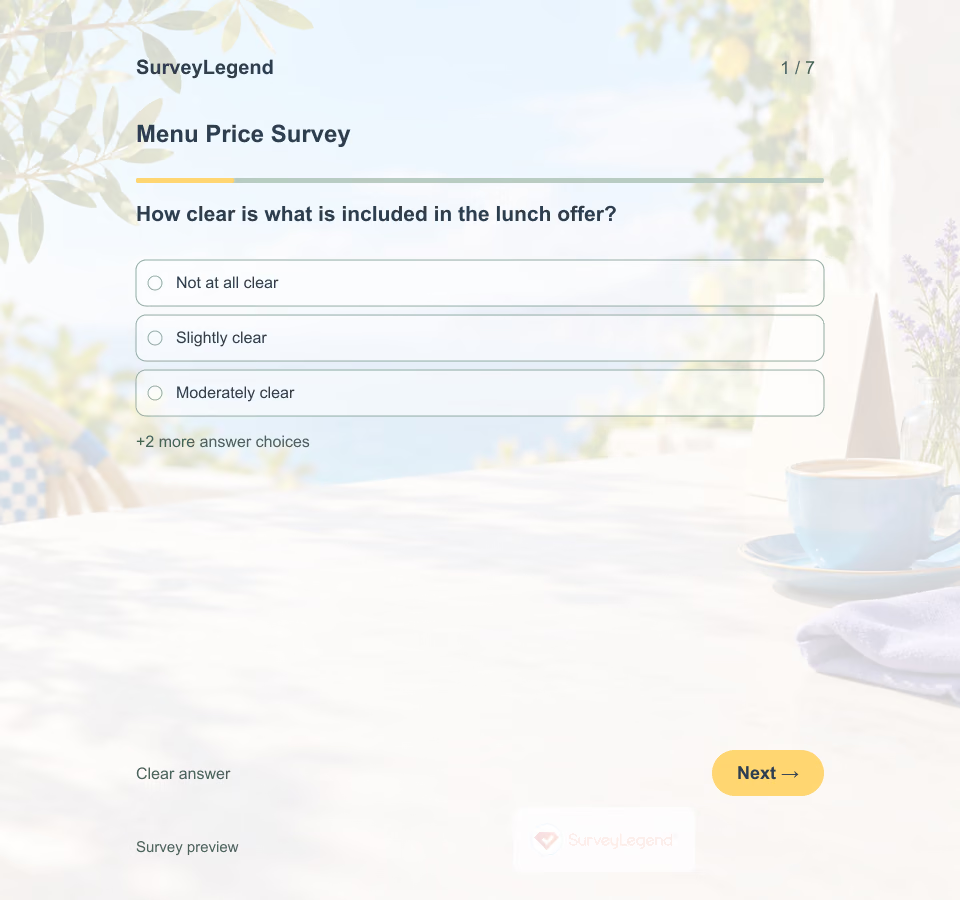 Menu Price Survey Template A price means little without the dish, portion, setting, and included items. This SurveyLegend questionnaire keeps those details together so the feedback is about a complete offer rather than an isolated number.
 -
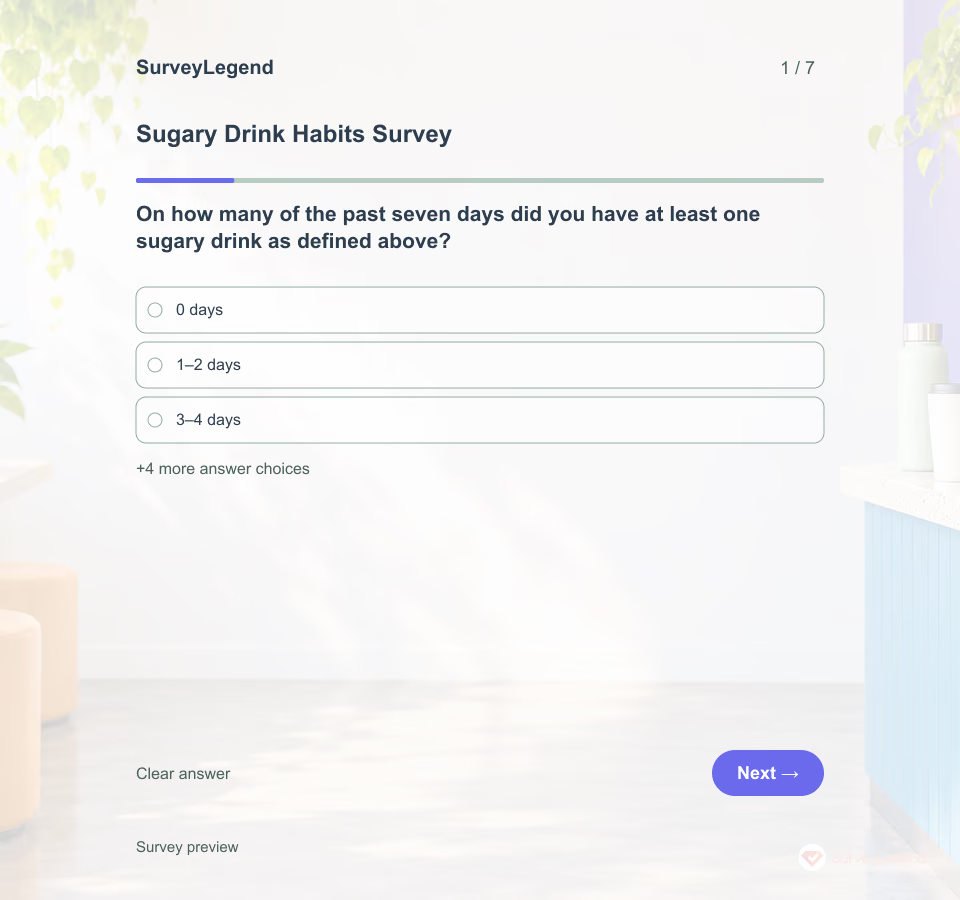 Sugary Drink Habits Survey Template This sugary drink habits survey explores choices and access without calculating sugar intake. It asks about drinks with added sugar, such as regular soda, sweetened tea or coffee, energy drinks and fruit drinks. Build the questionnaire in SurveyLegend and use the responses to plan a local improvement, not to label an individual’s diet.
Free survey maker
Start creating surveys today for free
Create and bring your ideas to life with the survey tool used by people all over the world.
Ready to collect better research data?
Create academic surveys and questionnaires from ready-made templates.