

Fundraising Campaign Feedback Survey Template
Learn where one fundraising campaign helped or hindered participation. The seven-question survey examines discovery, message clarity, the contribution process, privacy choices, acknowledgment and preferred updates without asking for financial details.

Learn where one fundraising campaign helped or hindered participation. The seven-question survey examines discovery, message clarity, the contribution process, privacy choices, acknowledgment and preferred updates without asking for financial details.
What is a Fundraising Campaign Feedback Survey?
A fundraising campaign feedback survey collects experience-based feedback about one appeal and the journey around it. It can include contributors and people who considered participating, which helps separate campaign-message problems from contribution-flow problems.
When to use this template
Use this template after an online appeal, giving day, peer-to-peer drive or time-limited campaign. It is designed for campaign improvement, not donor profiling. Keep donation records in the appropriate secure system rather than asking respondents to repeat financial information in the survey.
Seven optional questions
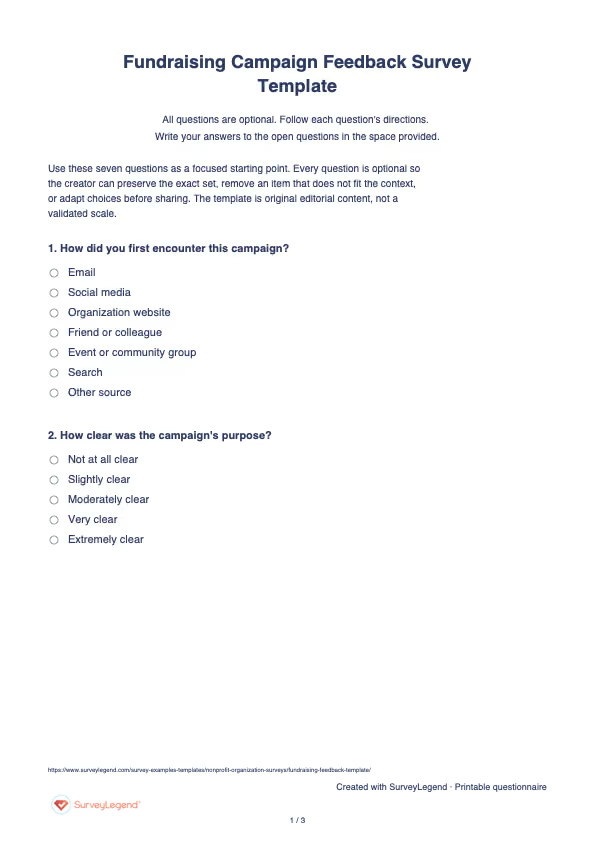
Use these seven questions as a focused starting point. Every question is optional so the creator can preserve the exact set, remove an item that does not fit the context, or adapt choices before sharing. The template is original editorial content, not a validated scale.
A little feedback. A clearer picture.
Explore this 7-question example at your own pace. Every question is optional.
Fundraising Campaign Feedback Survey
Thank you for trying the survey!
You’ve tried the template from the respondent’s side. Make it your own with SurveyLegend.
Create your own surveyChecking submission availability…
This is a demo. We count starts and submissions only. Your answers stay in your browser and are never sent or saved.
Activity · no starts yet
How to adapt it
Replace “campaign” with the public campaign name and make the first-contact choices match the channels actually used. If non-contributors receive the survey, keep “I did not try” and “I did not receive one” choices. Describe privacy and publicity choices in plain language, and never infer that someone declined to contribute because of a single response. Review sensitive questions and open-ended analysis before launch. Keep each item tied to the stated task and avoid collecting data that the decision does not require.
Printable PDF version
Use the printable version for campaign-team retrospectives or volunteer debriefs. It includes the same seven optional questions and writing space. Review paper feedback separately from online results; this is not a scored instrument.
 Download printable PDF
 Create it with an AI assistant
Use the complete prompt below with an AI assistant to draft this questionnaire, then register with SurveyLegend and build or customize the survey. Compare the result with the exact questions and settings before sharing. Copying the prompt does not transfer it into SurveyLegend.
AI prompt
Copy the prompt into an AI assistant to draft the questions, then build your survey in SurveyLegend.
Sign in to SurveyLegend
How to interpret responses
Segment results first by discovery channel and whether respondents tried to act. Then compare purpose clarity, journey ease, privacy-choice clarity and acknowledgment within those groups. Code the open answer into one primary improvement theme and preserve minority concerns about privacy or accessibility even when average ratings look strong. Treat update preferences as communication choices, not blanket marketing consent.
In a randomized field experiment on a large online crowdfunding platform, Burtch, Ghose and Wattal describe the “increased visibility and traceability of transactions” around online fundraising. Their results show that privacy-control design can affect contribution behavior in more than one direction. That supports asking whether choices were clear, not assuming that publicity or anonymity is universally preferred. See Burtch et al. .
Frequently asked questions
Should the survey ask how much someone contributed?
Usually not. Exact amounts are financial information and should remain in the secure contribution system. This template focuses on the campaign experience.
Can people who did not contribute respond?
Yes. Keep the invitation neutral and include choices for people who did not try or did not receive a confirmation. Their feedback can reveal message or journey barriers.
Does update preference equal marketing consent?
No. Treat the response as research unless a separate, compliant consent process explicitly covers future communications.
-
 Non-Profit Donor Feedback Survey Template Let’s be honest: donors are the heartbeat of any non-profit. Whether they gave a little or a lot, whether it’s their first donation or their fiftieth, these generous souls help make your mission possible.
 -
 Non-Profit Fund-raising Evaluation Survey Template You planned. You promoted. You pulled off a full-blown fundraising event with donors, volunteers, and a ton of heart. But once the thank-you notes are sent and the chairs are stacked, there’s one big question left: how did it go?
 -
 Non-Profit Volunteer Satisfaction Survey Template Let’s get one thing straight. Your volunteers? They are not just helping hands. They’re the heartbeat of your nonprofit organization. They show up, give their time, lend their voices, and power your mission forward without asking for much in return.
 -
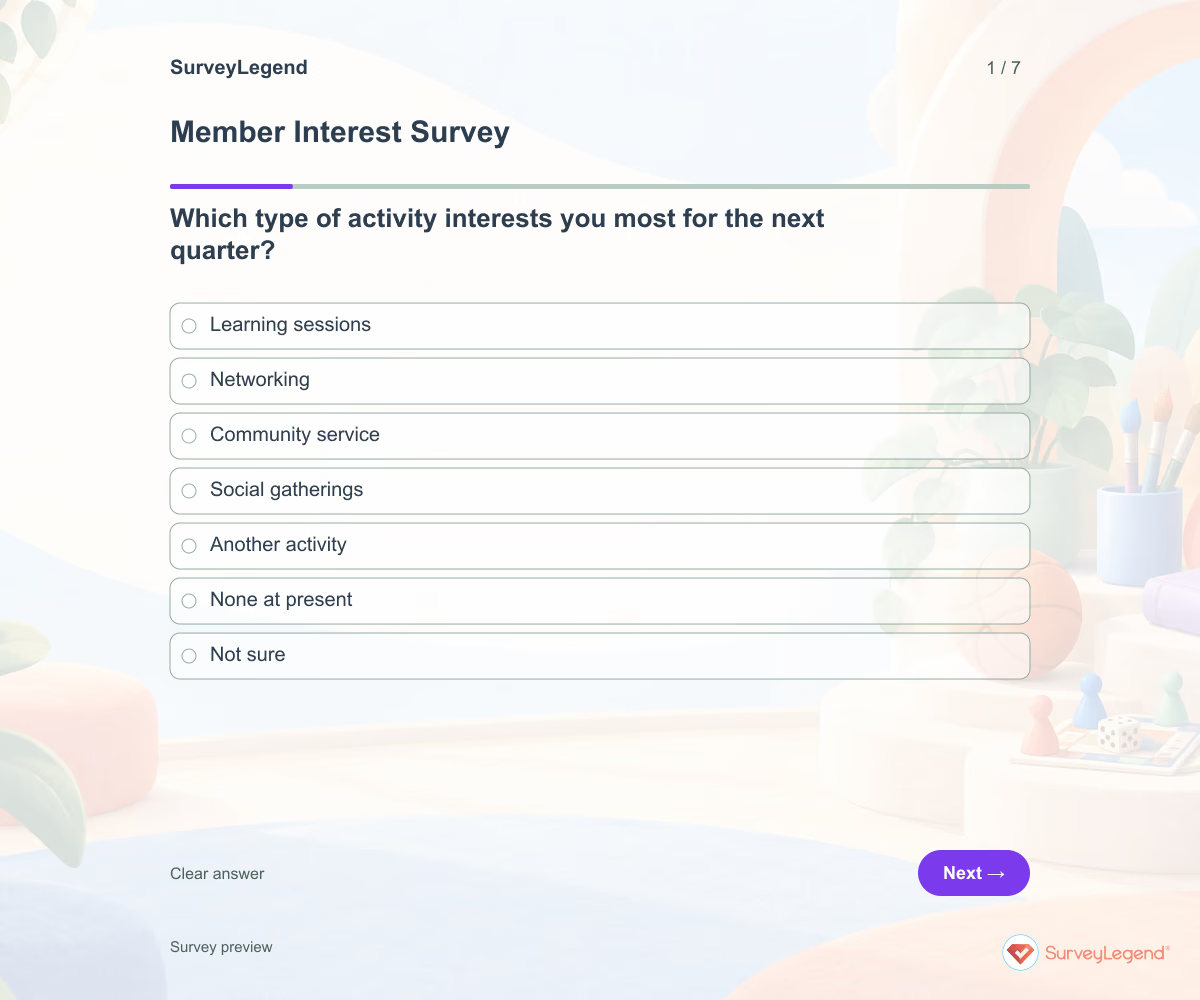 Member Interest Survey Template Interest is easier to act on when members can compare realistic options. Ask about one planning period and a manageable set of activities. Leave room for ideas, but avoid suggesting every requested program will be offered.
 -
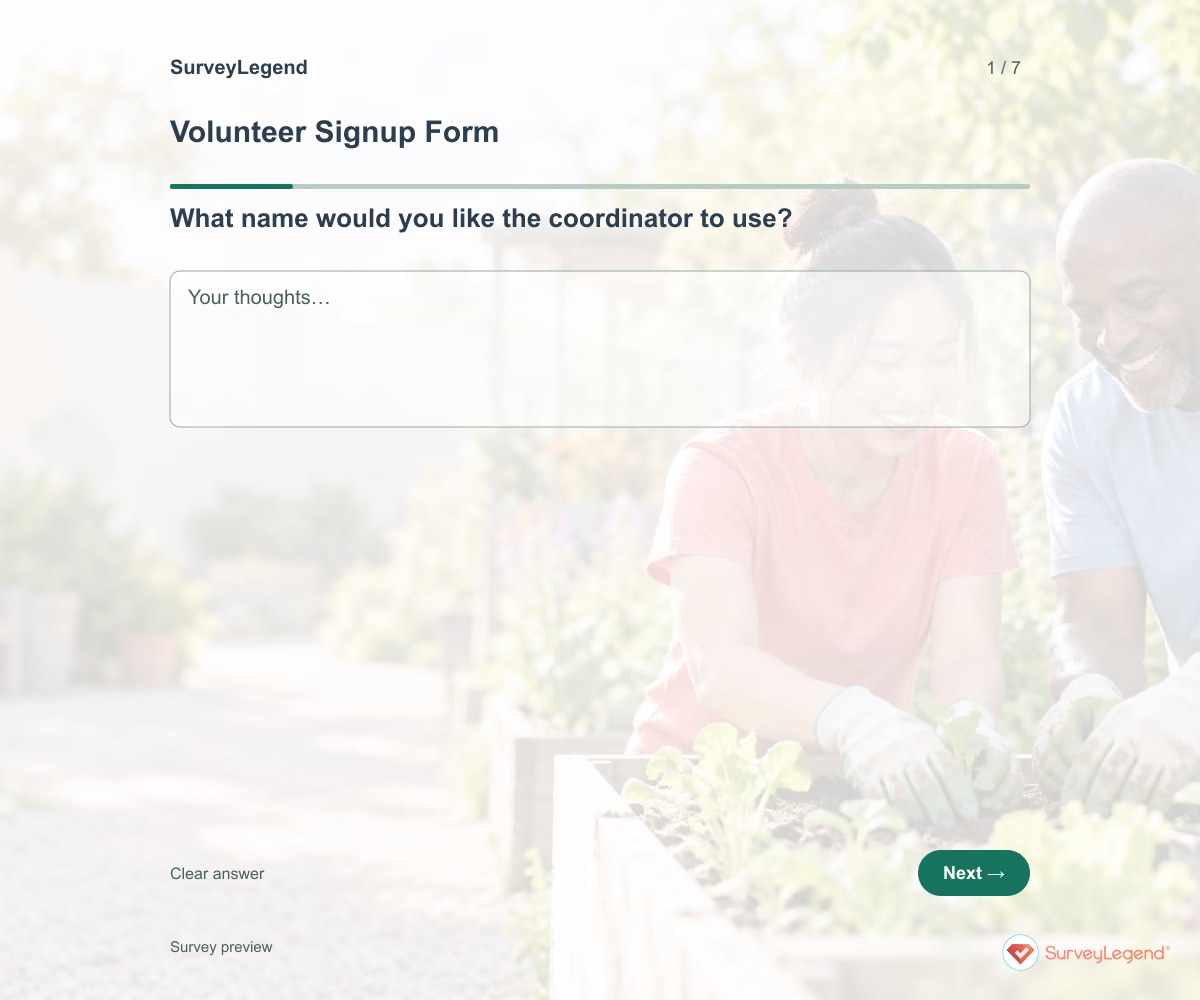 Volunteer Signup Form Template People need to know what they are expressing interest in and what happens next. Introduce the organization, real volunteer opportunities, and follow-up process before asking for details. Keep initial signup separate from screening and role-specific onboarding.
 -
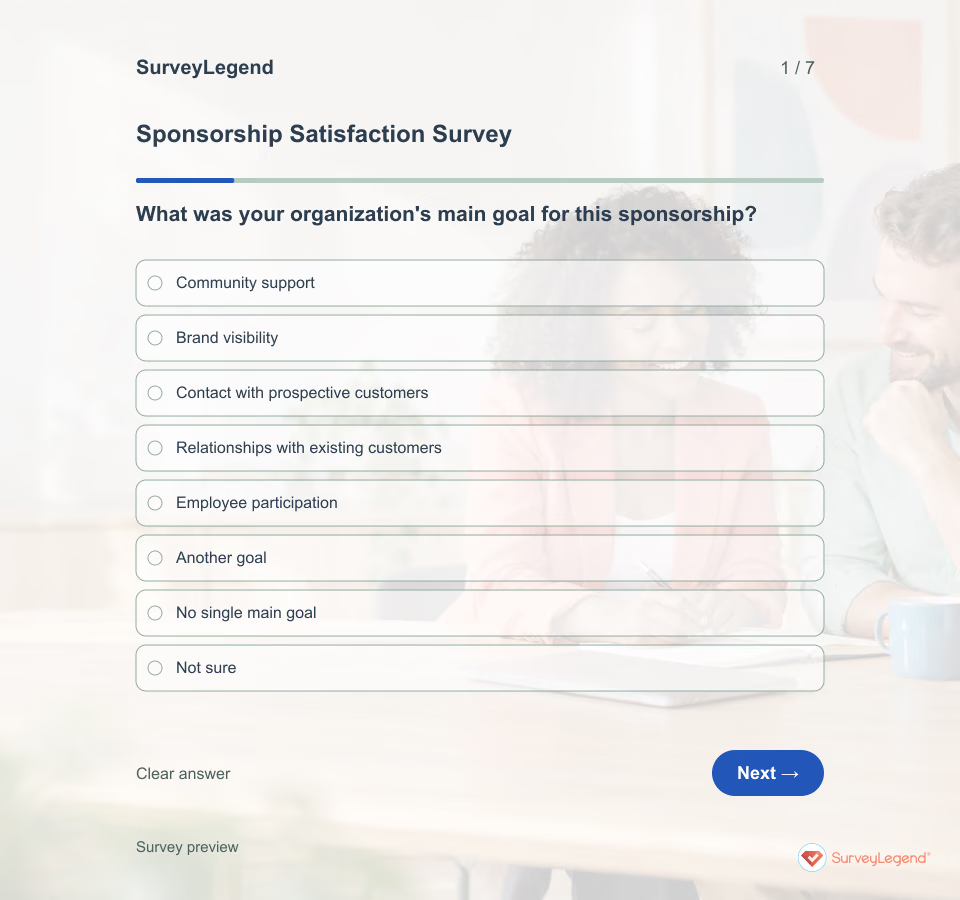 Sponsorship Satisfaction Survey Template Sponsors may support the same event for very different reasons. One may want community visibility; another may want conversations with prospective customers. Satisfaction is easier to interpret when you know which goal mattered.
 -
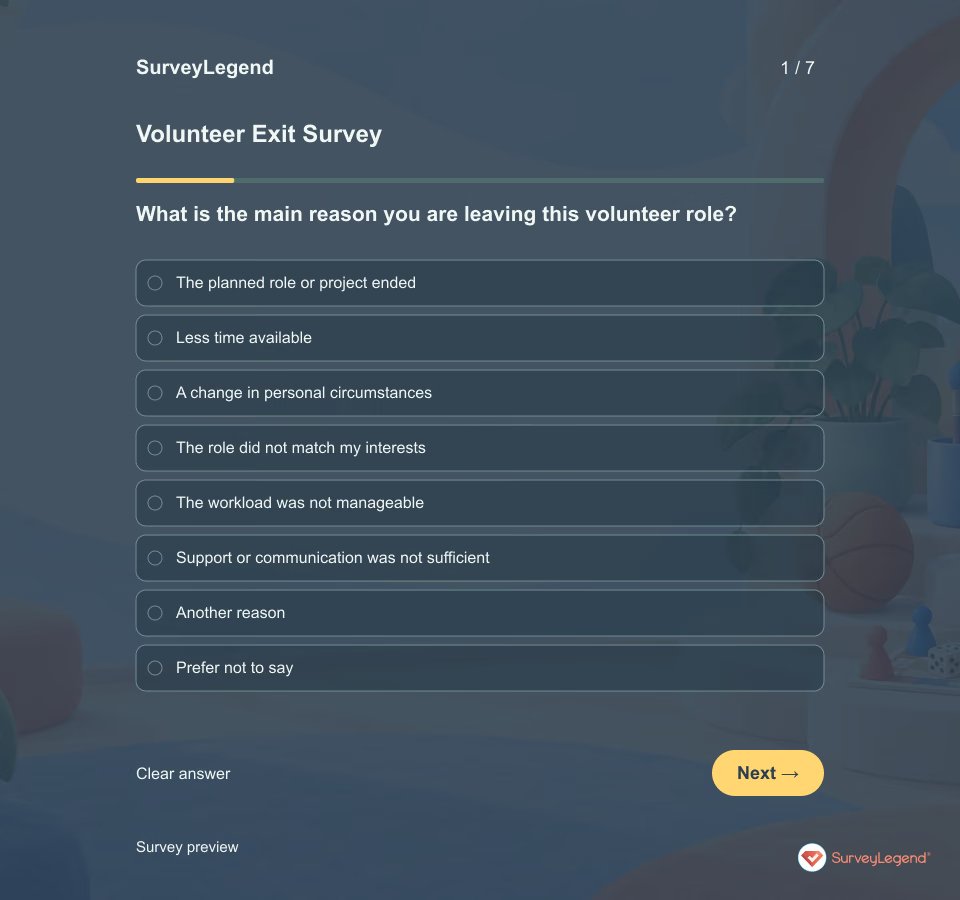 Volunteer Exit Survey Template Leaving a volunteer role does not always mean the experience was poor. A project may have ended or someone's available time may have changed. Leave space for those circumstances as well as concerns about the organization.
 -
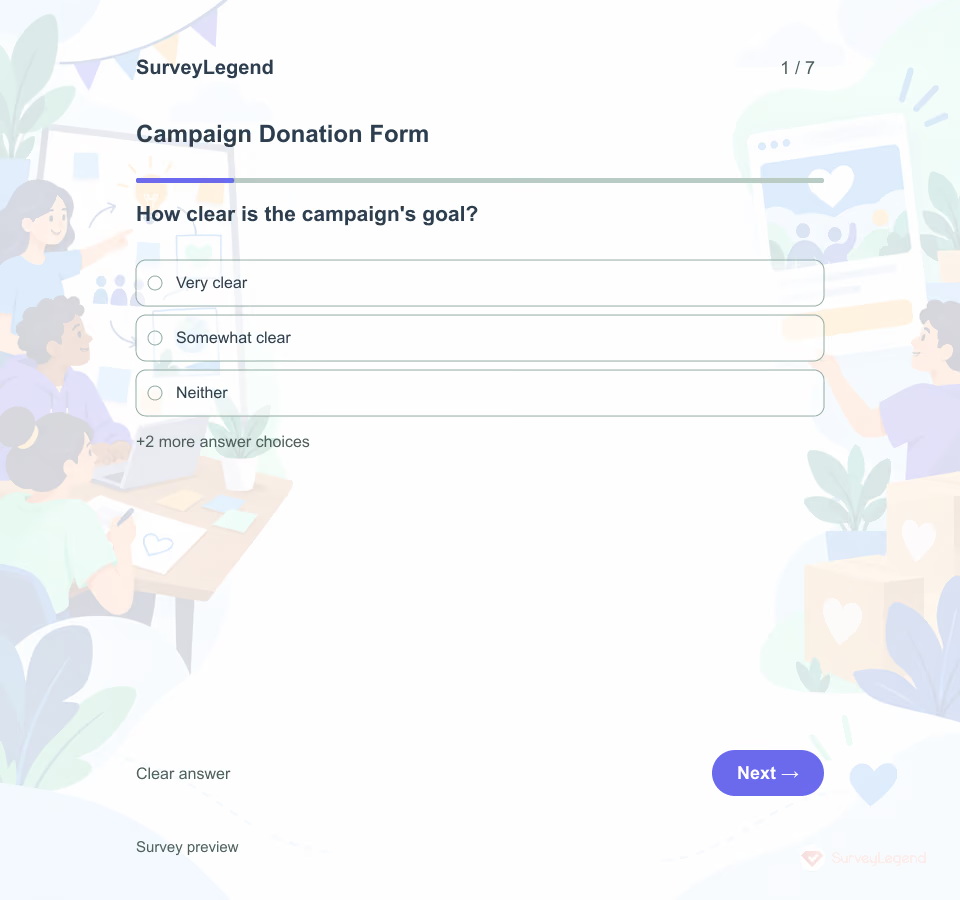 Campaign Donation Form Template This form gathers campaign feedback and an optional contact preference. It is not a payment form, pledge or proof of a donation. Related SurveyLegend material: nonprofit templates and testimonial form.
 -
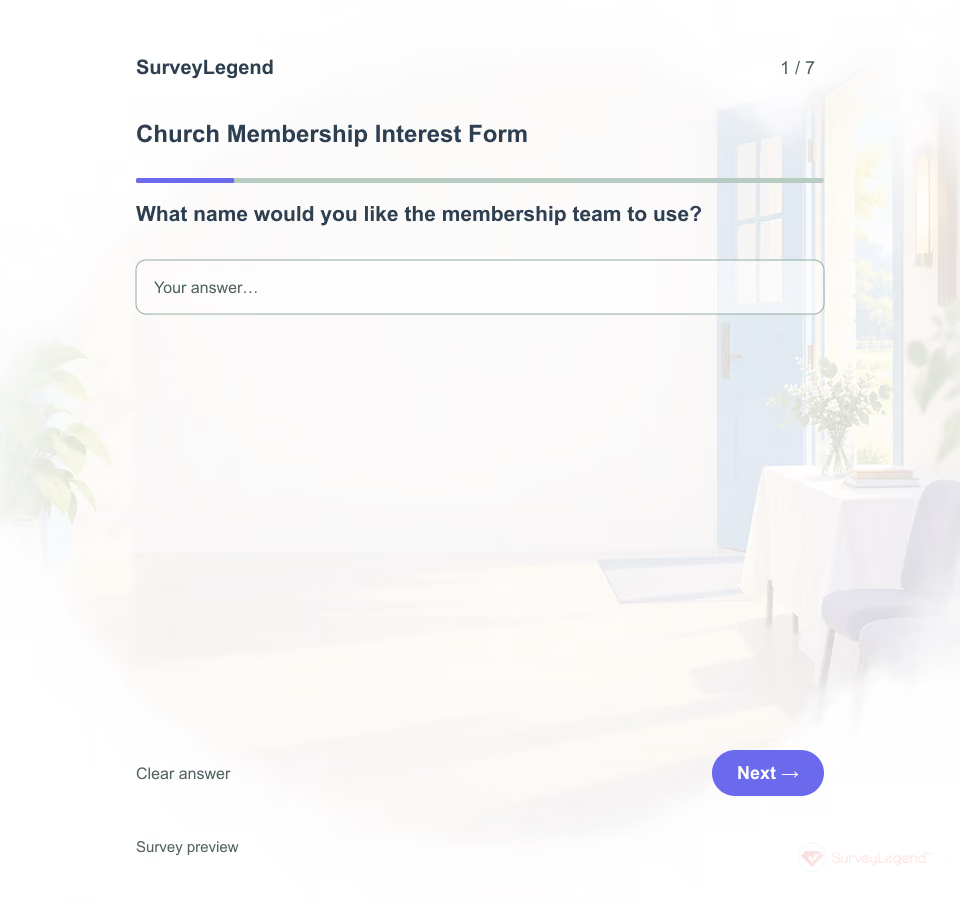 Church Membership Interest Form Template Interest can mean wanting a conversation, reading more information or attending an introduction. Keep those choices separate from formal membership. Adapt the SurveyLegend form to the church’s actual process and explain what will happen after an inquiry.
 -
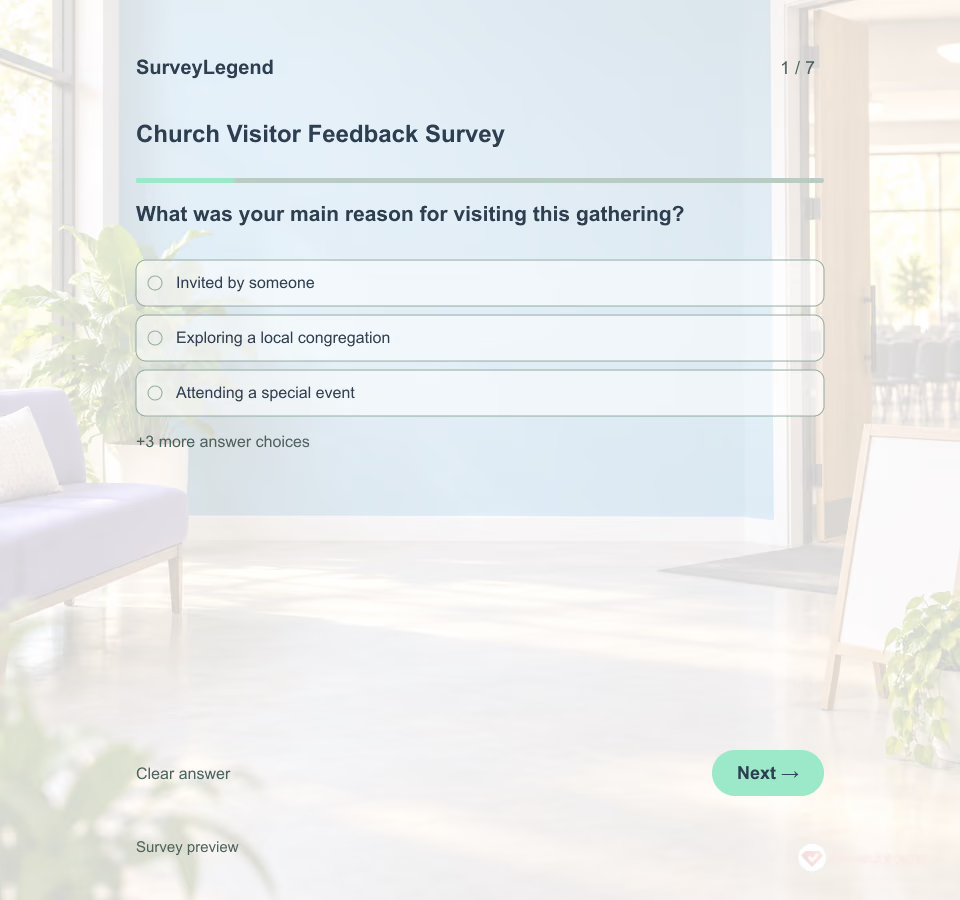 Church Visitor Feedback Survey Template A visitor may leave with a positive impression but still not know where to ask a simple question. SurveyLegend helps a church team hear about those practical moments while the visit is fresh.
 -
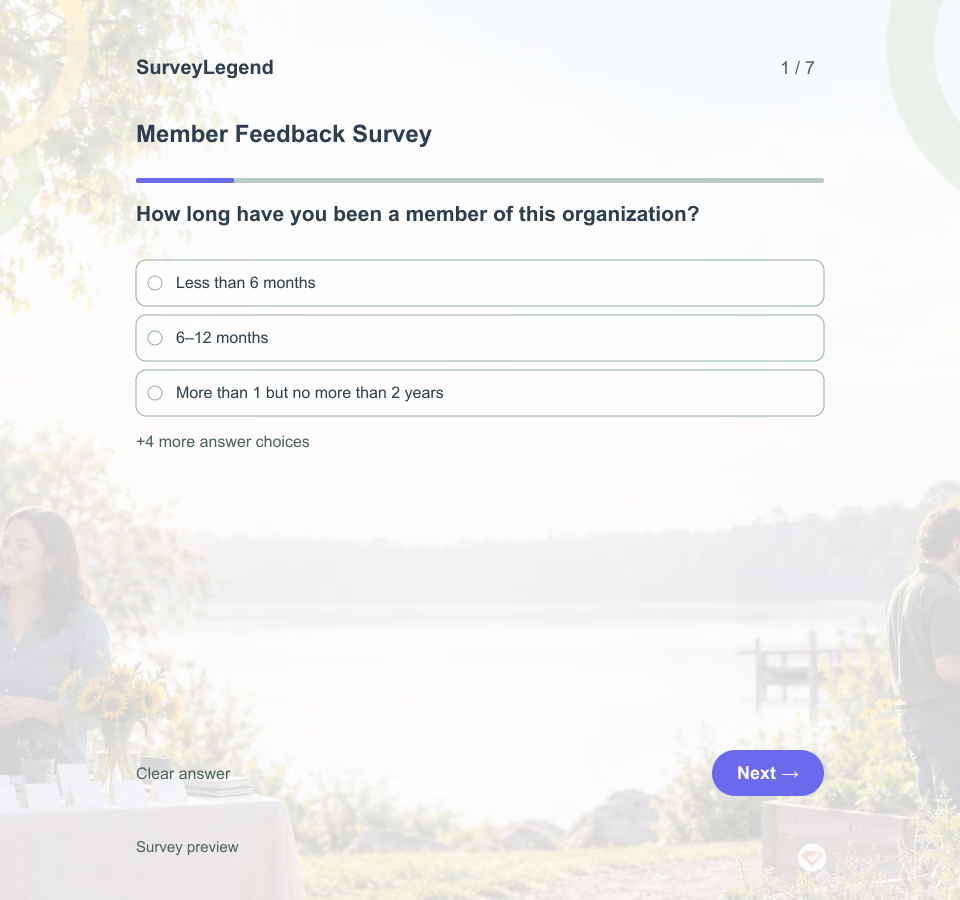 Member Feedback Survey Template A member can renew without using many benefits, or participate actively while still finding communication difficult. This template keeps recent benefit use, fulfilled needs, communication, support, and future participation separate. That makes the feedback easier to act on than one overall satisfaction question. Browse related [nonprofit templates](https://www.surveylegend.com/survey-examples-templates/nonprofit-organization-surveys/) when the task concerns donors, volunteers, programs, or community needs.
 -
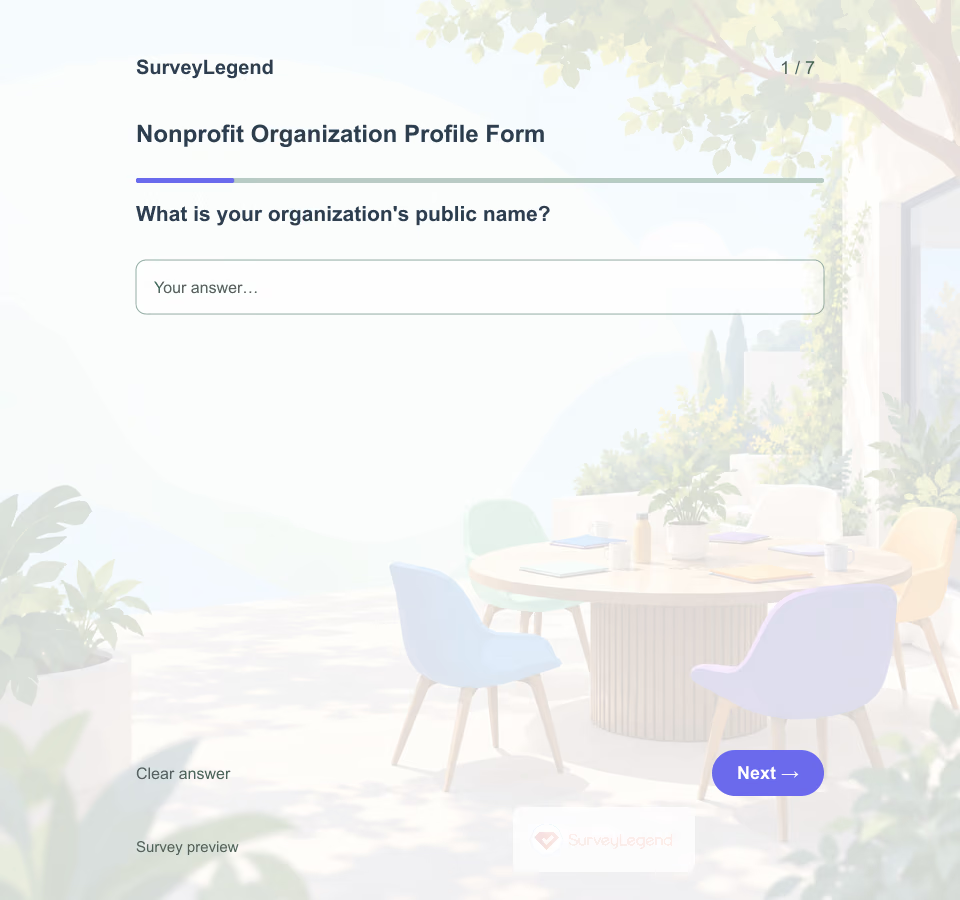 Nonprofit Organization Profile Form Template A shared mission does not mean two organizations can commit the same time or resources. An initial profile helps a coalition understand who an organization serves, what it hopes to do together, and what might limit participation.
 -
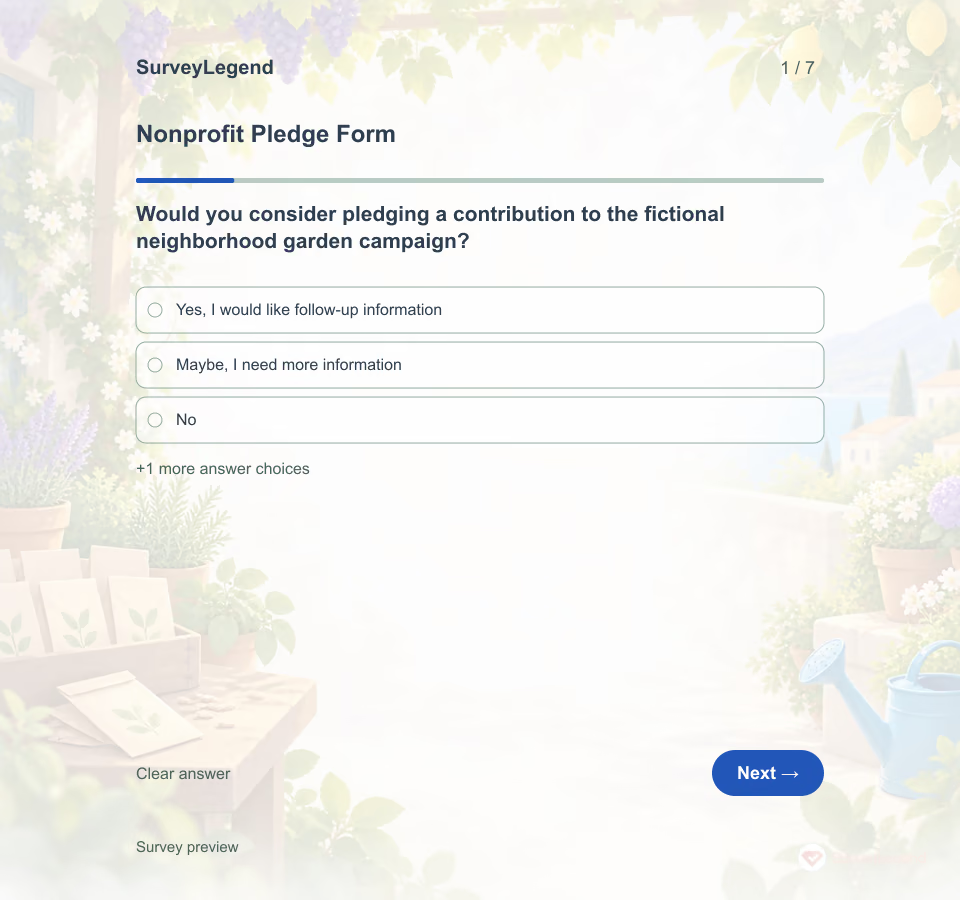 Nonprofit Pledge Form Template A pledge is a statement of intention, not money received. This SurveyLegend example makes the purpose and next step explicit so a nonprofit can follow up respectfully without counting a promise as a donation.
 -
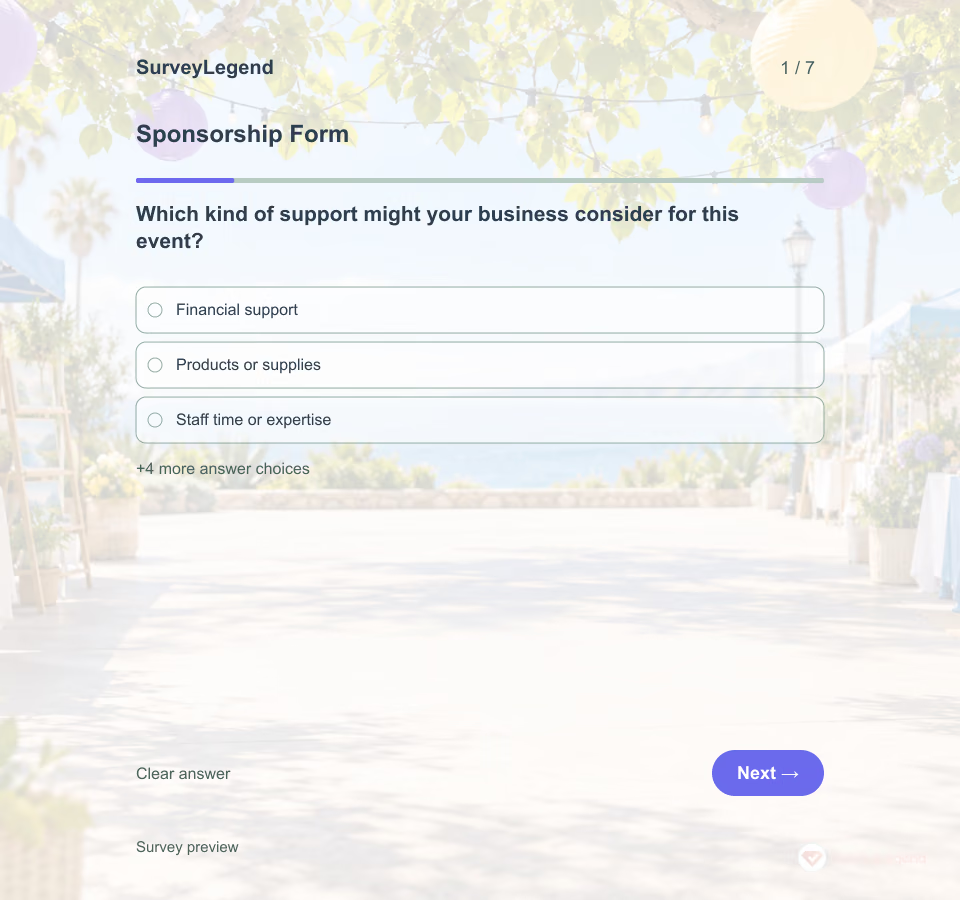 Sponsorship Form Template Sponsorship is a working relationship, not just a donation amount. SurveyLegend can help a nonprofit organizer adapt this planning questionnaire before discussing availability, terms and a written agreement with a potential sponsor.
Free survey maker
Start creating surveys today for free
Create and bring your ideas to life with the survey tool used by people all over the world.
Ready to collect better research data?
Create academic surveys and questionnaires from ready-made templates.