

Brand Perception Survey Template
This brand perception survey template explores what your brand brings to mind and which experiences shape that impression. Ask your target audience for unprompted associations before more specific evaluations, then compare the answers with your intended positioning.
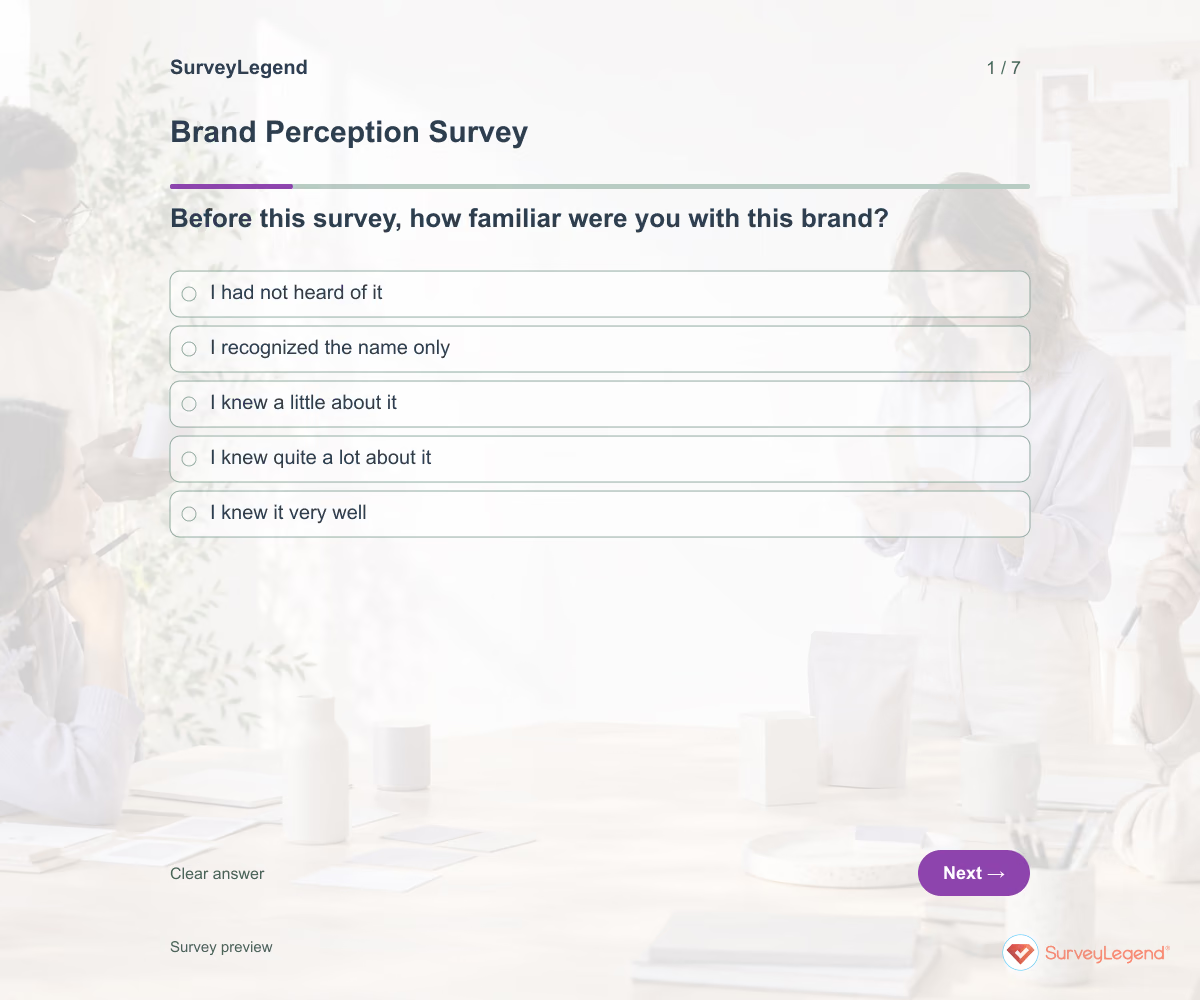
Use this brand perception survey template to learn what your brand brings to mind and what experiences shape that impression. It asks for unprompted associations before specific evaluations. Create the survey in SurveyLegend to understand whether your intended positioning matches how people actually describe your business.
When to use this brand perception survey
Use it when reviewing positioning, after a meaningful brand change, or before developing new messaging. Recruit from the audience you want to understand, not only social followers or recent buyers. Because the questionnaire names your brand, it cannot measure unaided awareness. People who have not heard of you should be able to say so without inventing an opinion.
To investigate recognition and recall as a separate research task, use our brand awareness template.
7 questions for your brand perception survey
Use these 7 questions as a starting point. All fields are optional; choose one answer where choices are listed. Leave an irrelevant open field blank.
Respondent introduction:
Please answer about the brand named by the organizer. Tell us your own impression; it is fine if you are unfamiliar with the brand. All questions are optional.
A little feedback. A clearer picture.
Explore this 7-question example at your own pace. Every question is optional.

Brand Perception Survey
Thank you for trying the survey!
You’ve tried the template from the respondent’s side. Make it your own with SurveyLegend.
Create your own surveyChecking submission availability…
This is a demo. We count starts and submissions only. Your answers stay in your browser and are never sent or saved.
Activity · no starts yet
How to customize your brand perception survey
Name the brand without adding a promotional description. Keep the open association question ahead of ratings so your attribute list does not suggest what people should think. If you add attributes such as dependable or innovative, choose only those relevant to a real positioning decision and explain the scale. Avoid collecting demographic details unless they answer a defined research question. Include a balanced range of customers and noncustomers when both perspectives matter. Before sharing widely, try the questions with a few people from the intended audience and clarify anything they interpret differently.
Printable brand perception survey template
Use this printable brand perception survey template during an in-person audience research session. It includes the same questions and space to write, giving people who prefer paper or are less comfortable online another way to take part. SurveyLegend helps you offer both formats. Tell respondents where to return the completed form and who will review it. Paper answers need a separate review or manual entry process; they are not automatically added to online responses.
 Download PDF
 AI prompt for a brand perception survey
Learn how your audience describes your brand before choosing the next message.
The full prompt below specifies your brand perception survey, including all 7 questions and response settings. Copy it, register for a free SurveyLegend account, and paste it into SurveyLegend’s AI survey creation tool. Review the result and add your organization’s details before sharing.
Create a free account, then paste the copied prompt into SurveyLegend.
Already have an account? Sign in to create your brand perception survey.
Connect brand impressions to the experiences behind them
Group associations into themes while retaining contradictory impressions. Compare prior familiarity and the source of the impression before interpreting favorability or distinctiveness. A favorable response from an existing customer means something different from a guess by someone unfamiliar with the brand. Review the information people need next, then consider whether clearer messaging or a better experience is the appropriate response. Do not average “not enough information” into a neutral score.
Frequently asked questions
Does this measure brand awareness?
It records reported familiarity after naming the brand. It does not measure unaided recall; use a separate awareness questionnaire for that task.
Why ask for associations before ratings?
An open question lets respondents describe their own impression before a list of attributes suggests particular words or ideas.
Should people who do not know the brand answer?
They can report their lack of familiarity. They should not be pushed to rate attributes they cannot judge; retain the uncertainty options.
-
 Logo Design Questionnaire Template Our mobile-ready surveys look gorgeous on any device! Scan the QRC to preview this one on your smartphone.
 -
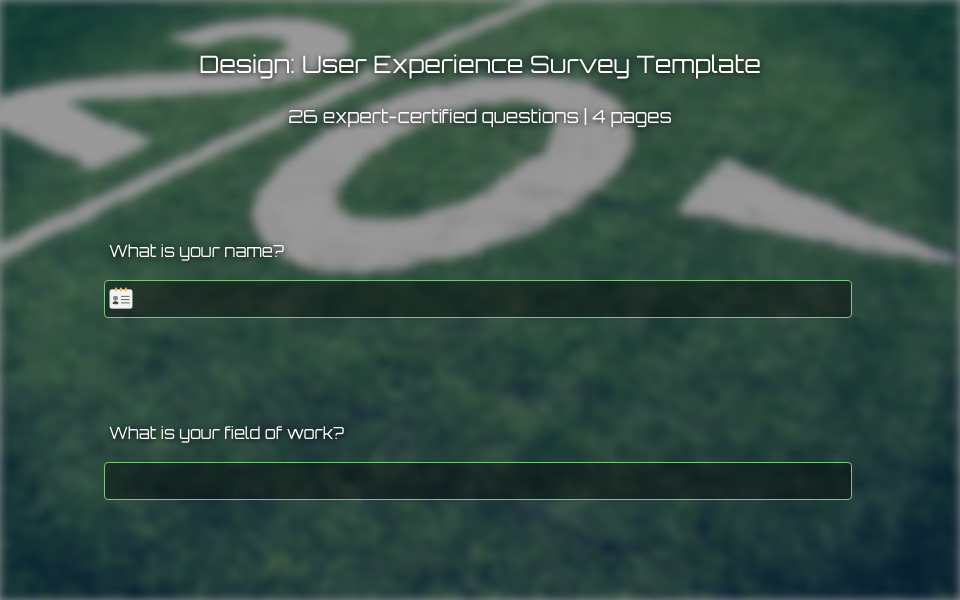 User Experience (UX) Survey Template If people do not enjoy using your product, they will not keep using it, no matter how clever the code or sleek the design, user experience is everything. That is why understanding the user experience has become essential for UX designers, interaction designers, and app developers everywhere. Surveys offer valuable insights into how users feel, what they expect, and how they behave, giving you a clear path to improvement before launch.
 -
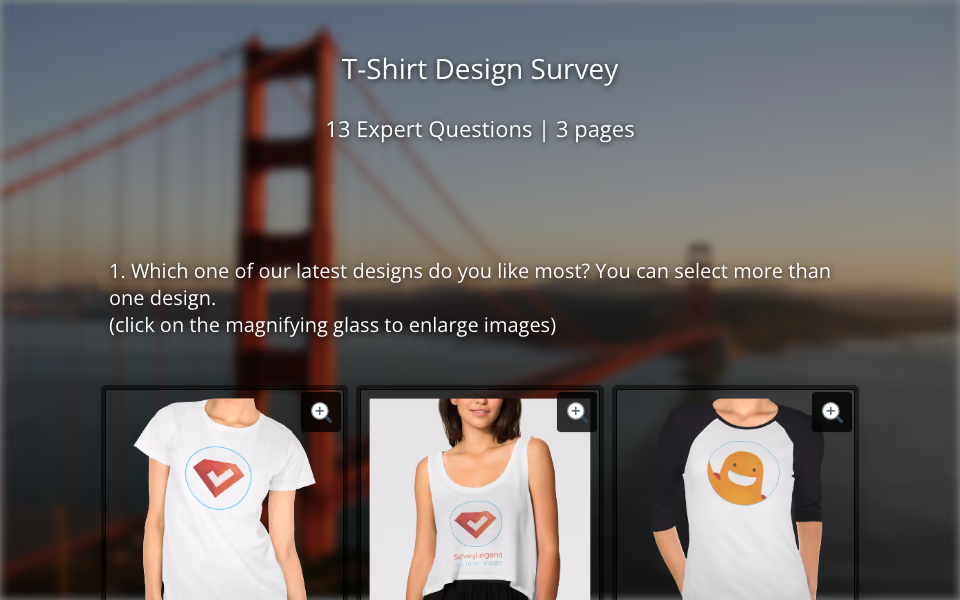 Product: T-Shirt Design Survey Template If you want your t-shirt designs to actually sell, you need more than just creativity—you need data. Whether you’re a fashion entrepreneur, apparel brand, or student working on your next clothing line, understanding your customers is what sets great designs apart from guesswork.
 -
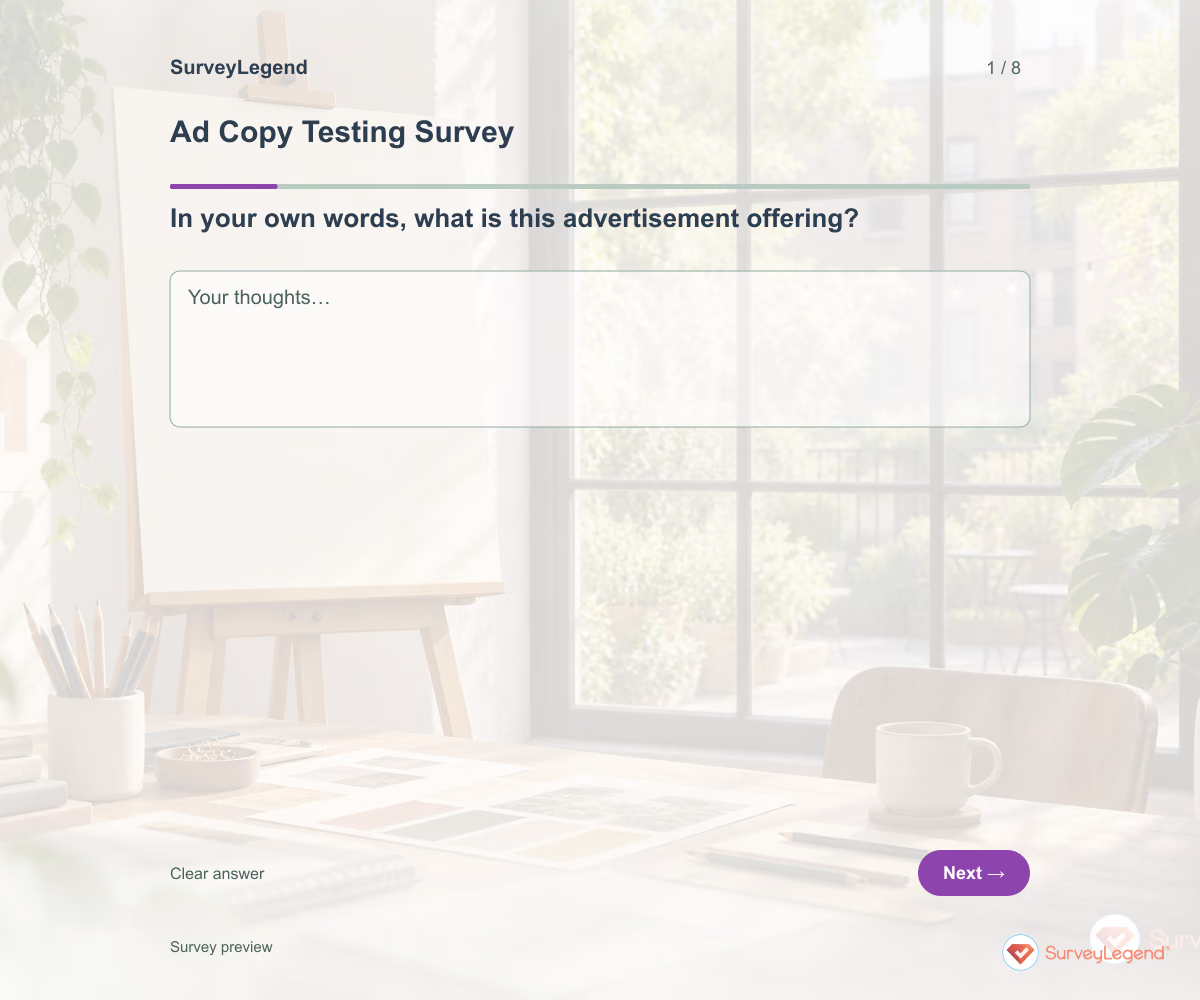 Ad Copy Testing Survey Template Use this ad copy testing survey template to learn what people understand from your advertisement before you launch it. Eight questions explore the message, its relevance, its credibility, and the next step the ad suggests. Add your creative to the questionnaire in SurveyLegend, then ask people from the intended audience to respond in their own words.
 -
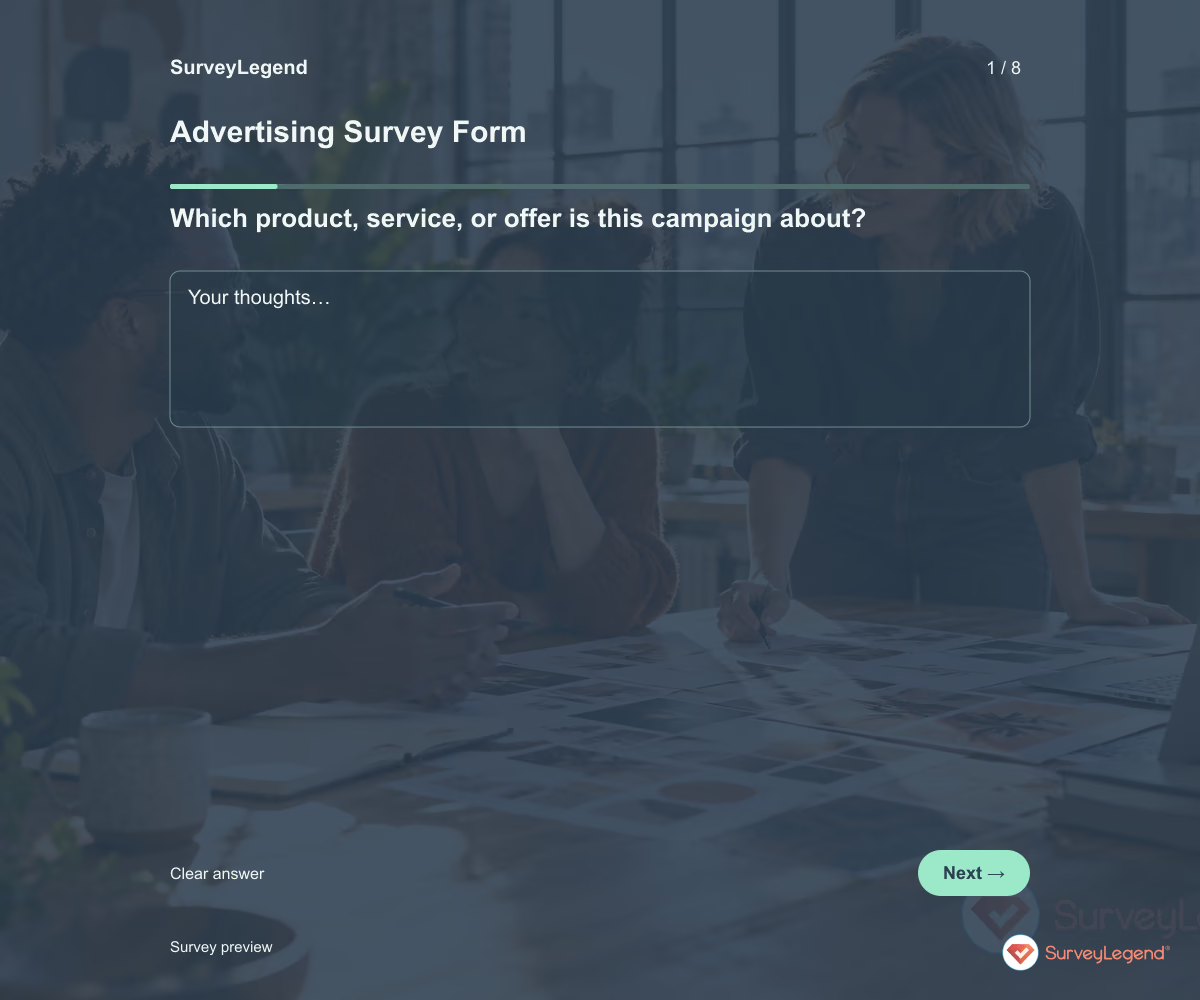 Advertising Survey Form Template Use this advertising survey form template to collect the information you need before planning a client's campaign. The eight fields cover the offer, audience, objective, channels, budget planning, and success criteria. Customize the form in SurveyLegend, then use the answers to prepare a focused briefing conversation.
 -
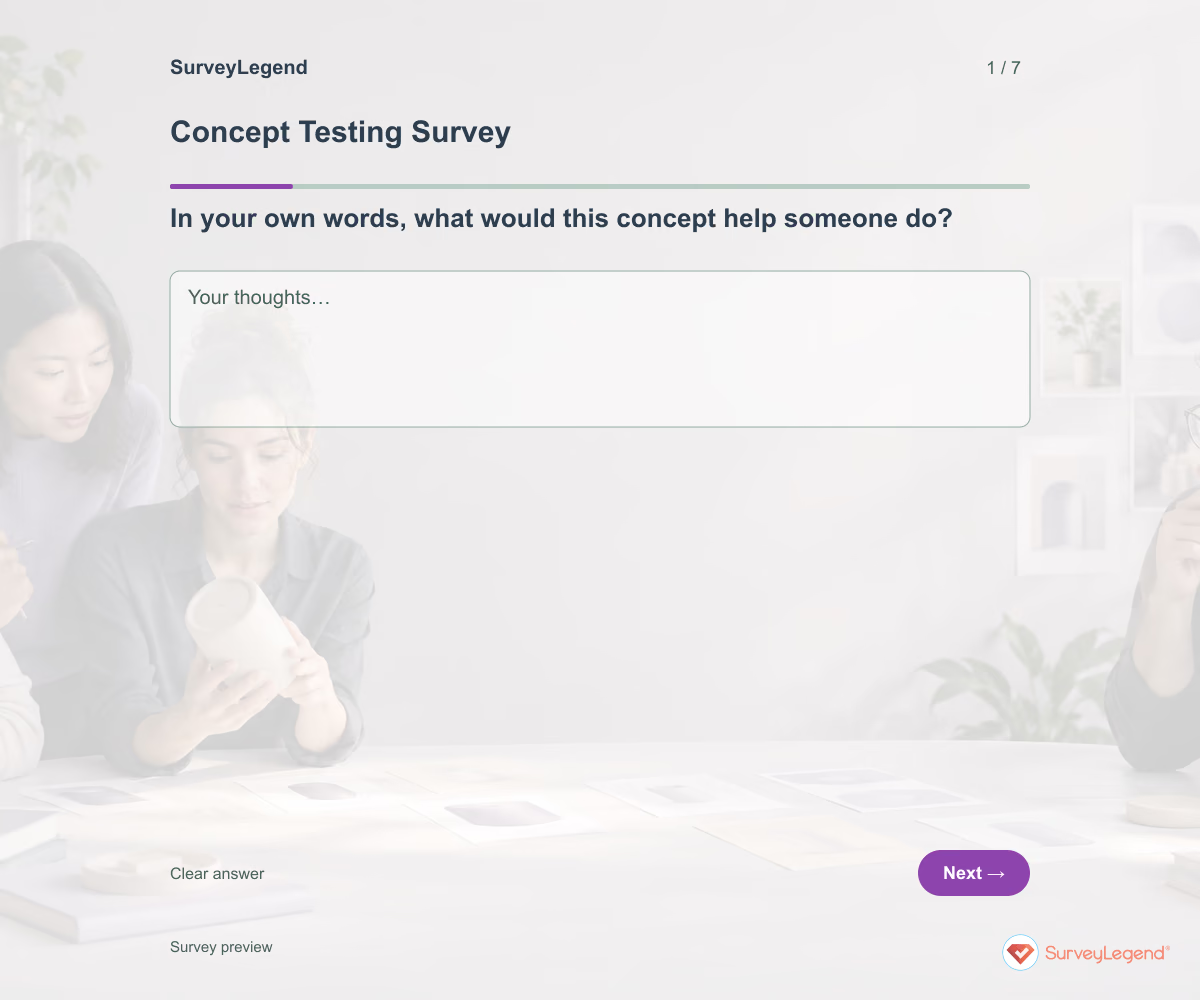 Concept Testing Survey Template Use this concept testing survey template to learn whether people understand a proposed idea and see a useful role for it. The questionnaire covers comprehension, relevance, current alternatives, and unanswered questions. Adapt it in SurveyLegend before investing in a product or service that your audience may interpret differently than you expect.
Free survey maker
Start creating surveys today for free
Create and bring your ideas to life with the survey tool used by people all over the world.
Ready to collect better research data?
Create academic surveys and questionnaires from ready-made templates.