

Electric Vehicle Owners Survey Template
This electric vehicle owners survey template asks battery-electric vehicle drivers about charging access and their recent public-charging experience. Use the answers to distinguish access, reliability and pricing problems.
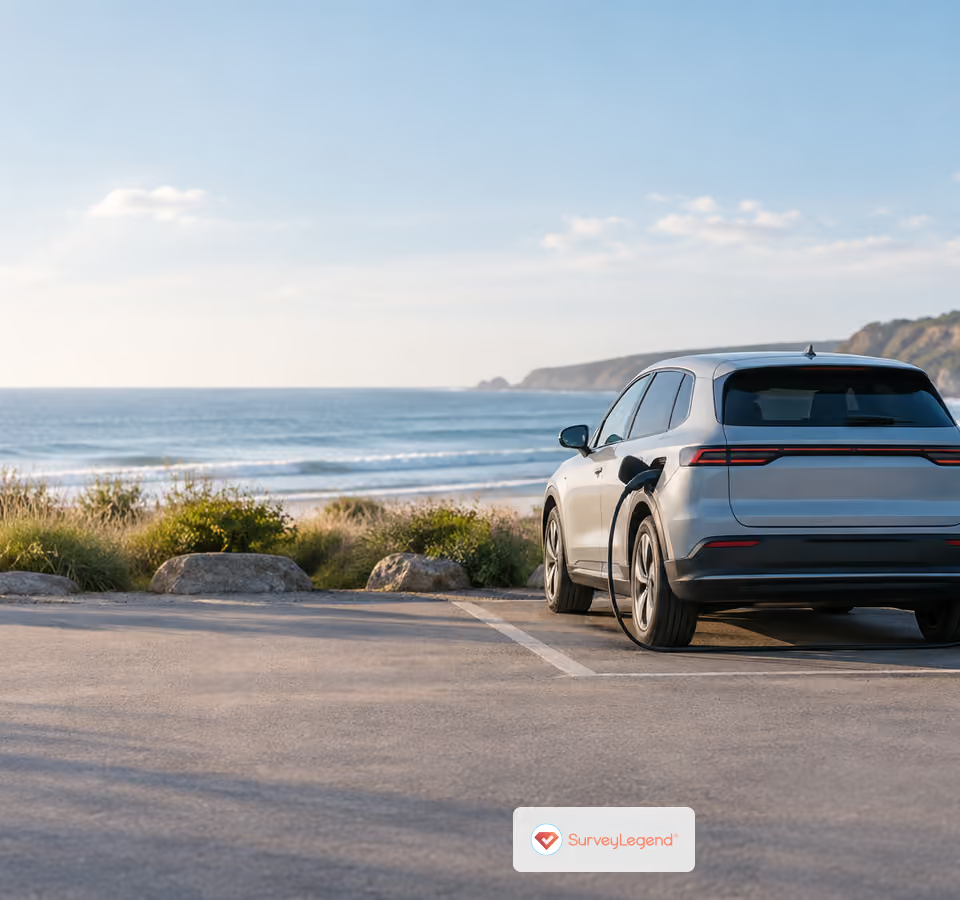
This electric vehicle owners survey template asks battery-electric vehicle drivers about charging access and their recent public-charging experience. Use the answers to distinguish access, reliability and pricing problems.
Having a charger nearby is different from being able to use it when needed. Ask drivers where they normally charge and what happened on a recent attempt before drawing conclusions from an overall satisfaction rating.
When to use this electric vehicle owners survey
Charging operators, community planners and EV-owner groups can use this survey with adults who drive a battery-electric vehicle. SurveyLegend helps gather user experience for service planning. This version focuses on charging during the past 30 days and does not diagnose a vehicle or charger fault.
7 questions for your electric vehicle owners survey
Answer about driving a battery-electric vehicle in the past 30 days. Do not include your home address, vehicle registration or account information. All questions are optional. This is not a technical fault-reporting service.
A little feedback. A clearer picture.
Explore this 7-question example at your own pace. Every question is optional.
Electric Vehicle Owners Survey
Thank you for trying the survey!
You’ve tried the template from the respondent’s side. Make it your own with SurveyLegend.
Create your own surveyChecking submission availability…
This is a demo. We count starts and submissions only. Your answers stay in your browser and are never sent or saved.
Activity · no starts yet
Customize your electric vehicle owners survey
Define what counts as public charging in your setting and retain the no-public-charging answers. Keep home-charging access separate from where someone charged most. For a single site, name the site and revise all public-charging questions consistently. Test terminology with drivers before launching. Avoid leading questions that assume every charging attempt was unreliable or expensive.
Printable electric vehicle owners survey
Use the printable version at an EV community meeting or charging-service feedback session. Keep the same questions and answer options so paper responses can be reviewed consistently with online replies.
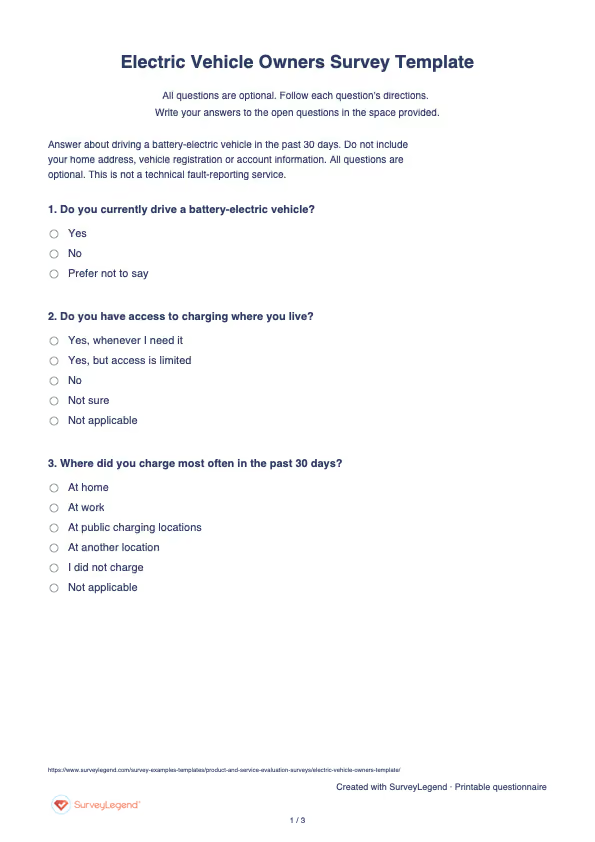
 Download Electric Vehicle Owners Survey Template (PDF)
 Create this survey with AI
Copy this prompt into an AI assistant to draft the questions. Review the draft, then build and customize the survey in SurveyLegend before sharing.
Copy the prompt into an AI assistant to draft the questions, then build your survey in SurveyLegend.
Already have an account? Sign in to create your survey.
How to use the answers
First separate people who attempted public charging from those who did not. Within users, review unsuccessful attempts, the biggest obstacle and price clarity. Compare people with and without home charging only when group sizes allow meaningful interpretation. An unsuccessful attempt is reported experience, not proof of a hardware failure. Classify open-ended data by access, equipment, payment and information issues before assigning follow-up work. Limit owner-specific findings to respondents who confirmed that they currently drive a battery-electric vehicle.
In the Results, EVCS reliability, Yu and colleagues (2025) write: “confusion over pricing transparency”. The authors identify this among the concerns reported in negative charging reviews. This template reflects those distinctions instead of combining them into one satisfaction question. Online reviews are self-selected reports, so the study's findings are not a failure-rate benchmark for your respondents. Read the charging reliability study for the study's context.
Frequently asked questions
Does this identify a battery fault?
No. It records drivers' experiences. Vehicle and charger faults need the appropriate technical support process.
Why ask about charging at home?
People without home charging may rely on public infrastructure differently. Keep that context when interpreting public-charging answers.
Can I calculate a charger failure rate?
Not from these answers alone. They describe respondents' recent attempts, not a monitored record of every session or a representative sample of all chargers.
-
 Motivation & Buying Experience survey template Great brands know that the customer experience is more than just a buzzword. It’s the feeling someone gets when they use your product, the delight of smooth service, or the frustration if something goes wrong. Even the user experience of opening a package can shape how people feel about your brand. It’s the kind of detail that sticks.
 -
 Retail Customer Feedback Survey Template Running a retail store means always looking for ways to grow and improve—and that starts with listening to your customers. A retail customer feedback survey helps you do exactly that. With tools like the Net Promoter Score to gauge customer loyalty and thoughtfully crafted survey questions, businesses can gather meaningful feedback that leads to real action on what matters most.
 -
 E-Commerce Customer Service Evaluation survey template When you manage a strong e-commerce business, your top priority is making sure your customers are happy with your online services. You want to meet your customers’ expectations and keep them coming back. The challenge is that, in e-commerce, you rarely interact with the customers face-to-face. This makes it difficult to observe their behavior or understand what they really think about your store.
 -
 Product Feedback Survey Template When you are developing a new product, it is not just about having the “right” idea—it is about making sure that the idea is right for the people who will actually use it. Instead of guessing based on assumptions about your target users, it is always smarter to rely on real customer feedback. After all, what you think users like and what they actually like can be two very different things.
 -
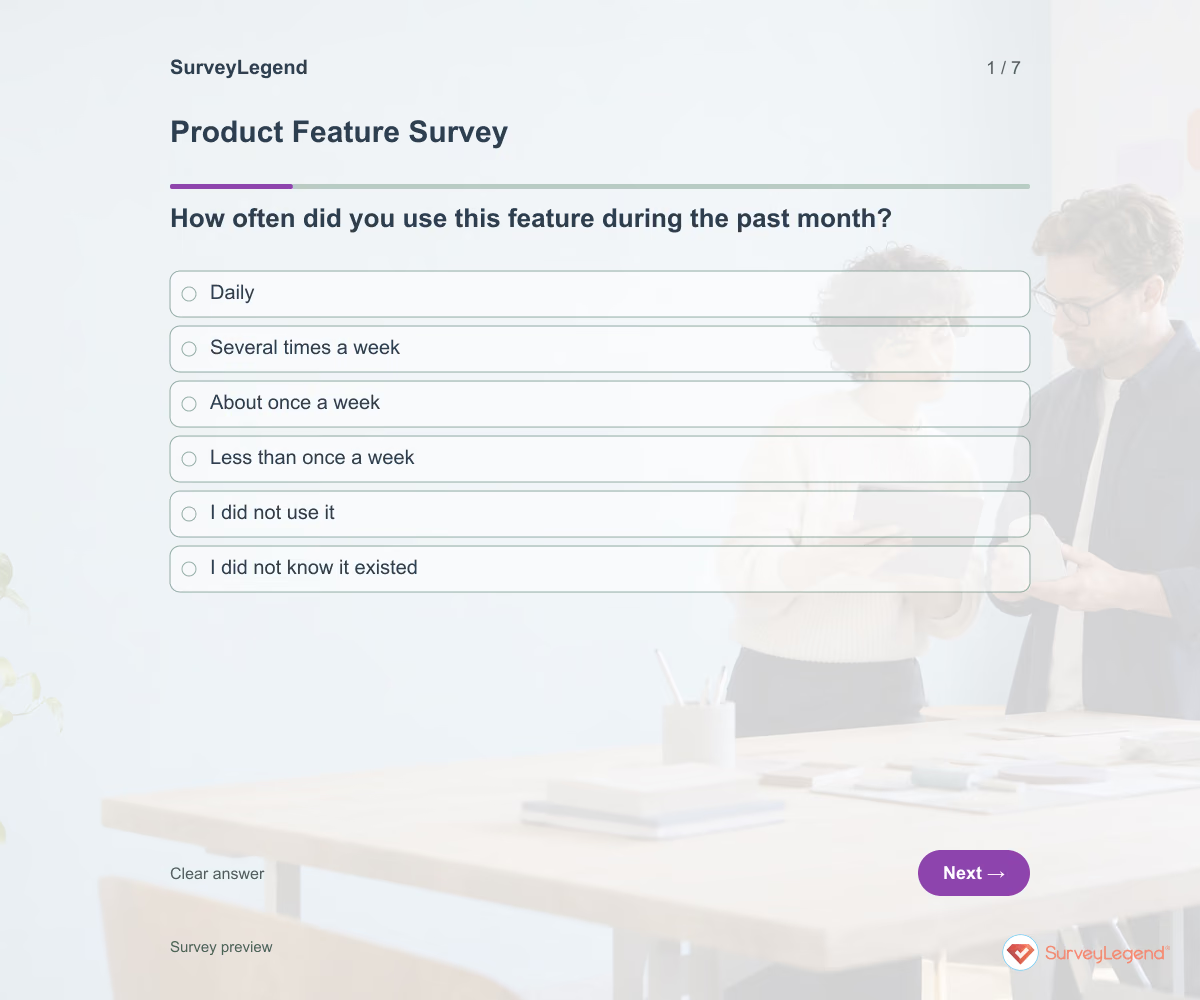 Product Feature Survey Template Use this product feature survey template to understand what a specific capability helps people do and where it falls short. It connects feature use and task importance with a single improvement priority. Build your survey in SurveyLegend to investigate a roadmap decision without assuming that every requested addition deserves to be built.
 -
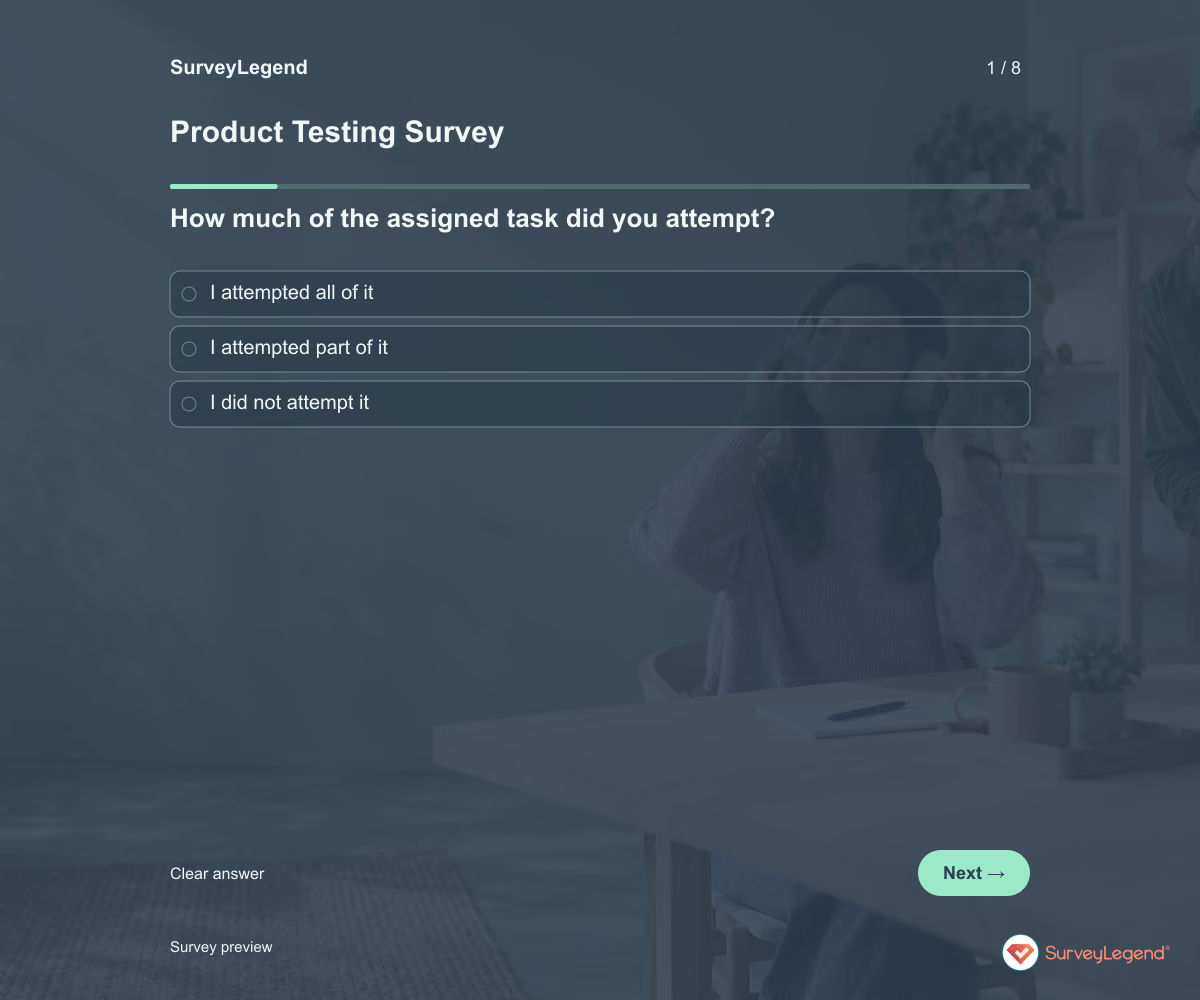 Product Testing Survey Template Use this product testing survey template after participants try a product or prototype. It asks what they could complete, where they needed help, and what should change in the next version. Create the questionnaire in SurveyLegend to collect feedback that points to specific parts of the test experience.
 -
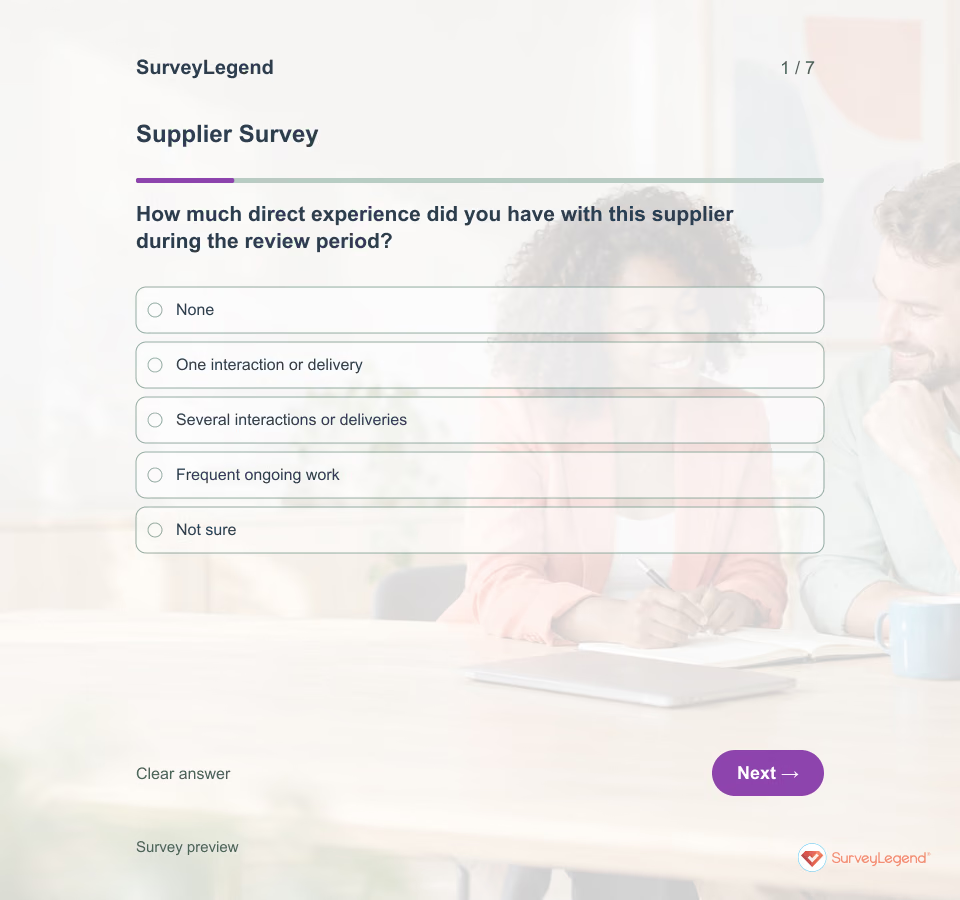 Supplier Survey Template A supplier may deliver on time but create extra work through inconsistent quality or unclear updates. Separate those experiences so the review points to a problem the supplier can address.
 -
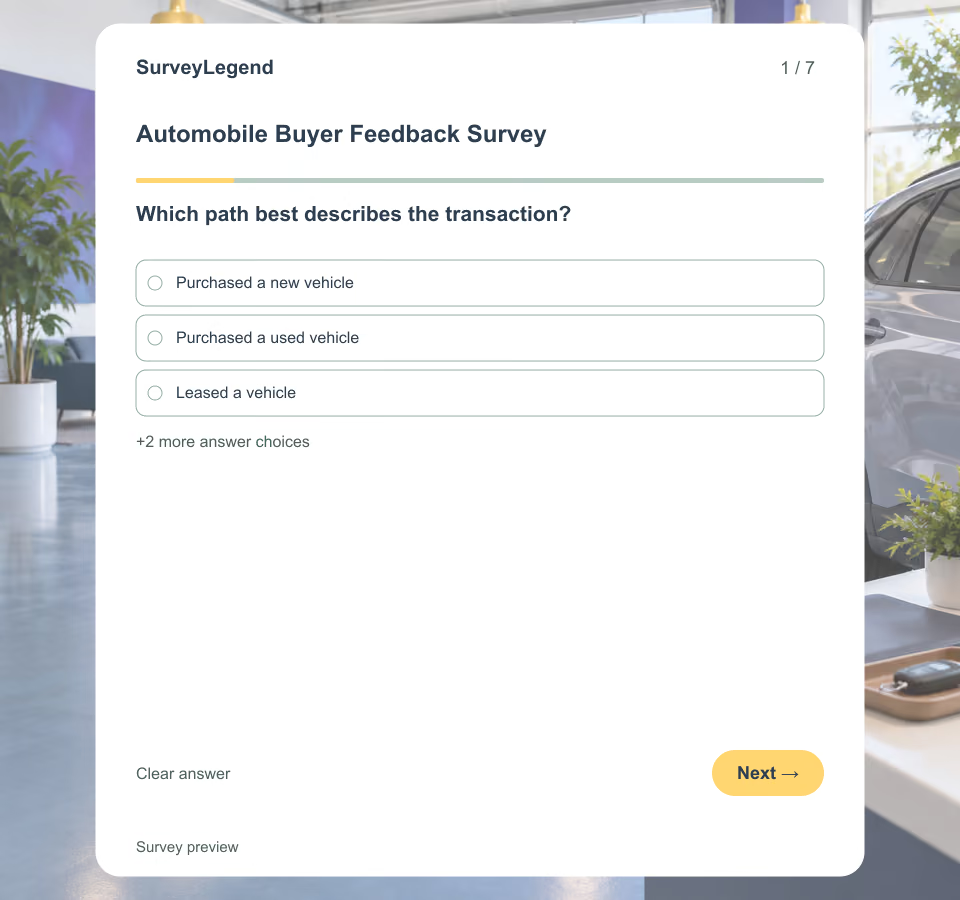 Automobile Buyer Feedback Survey Template Use this survey within 30 days of a completed vehicle purchase or lease from one named dealership. It focuses on dealership-controlled steps, not the vehicle’s long-term performance. For a broader cross-industry view of motivations and purchase experience, use the buying experience template.
 -
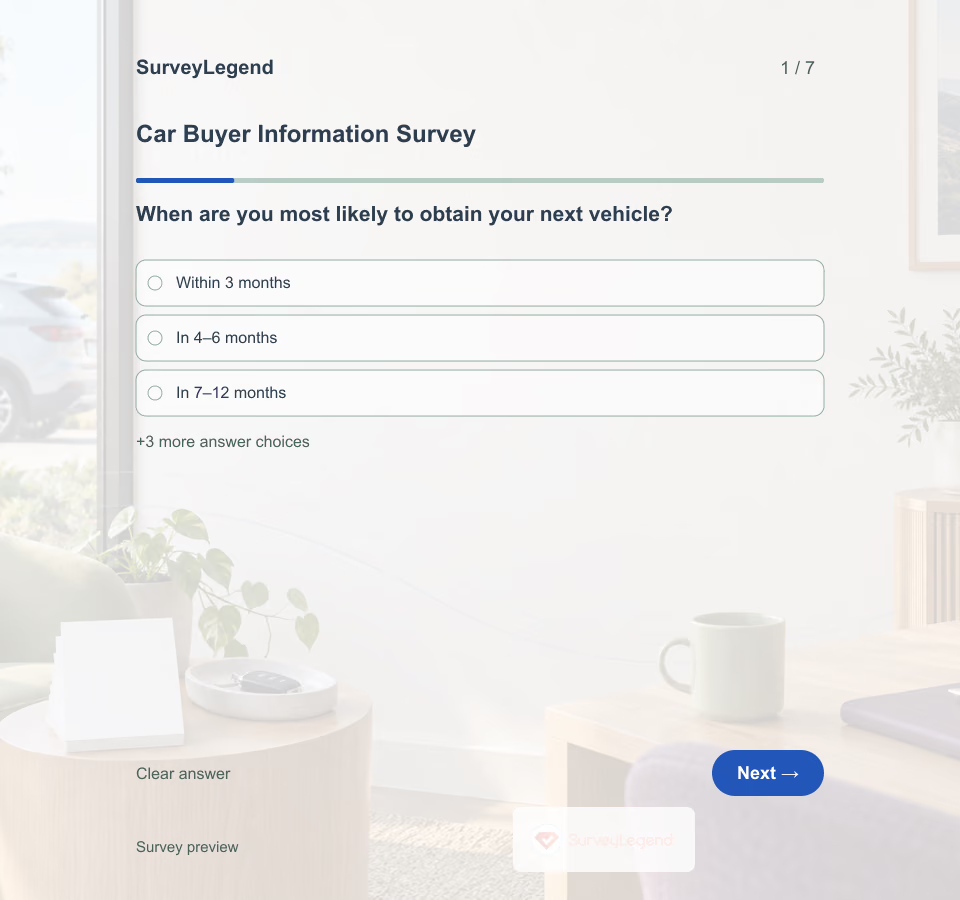 Car Buyer Information Survey Template Vehicle choices combine practical constraints, priorities and information from several sources. This questionnaire asks what an adult buyer needs to compare before narrowing options. It is not a recommendation, credit application or safety assessment.
 -
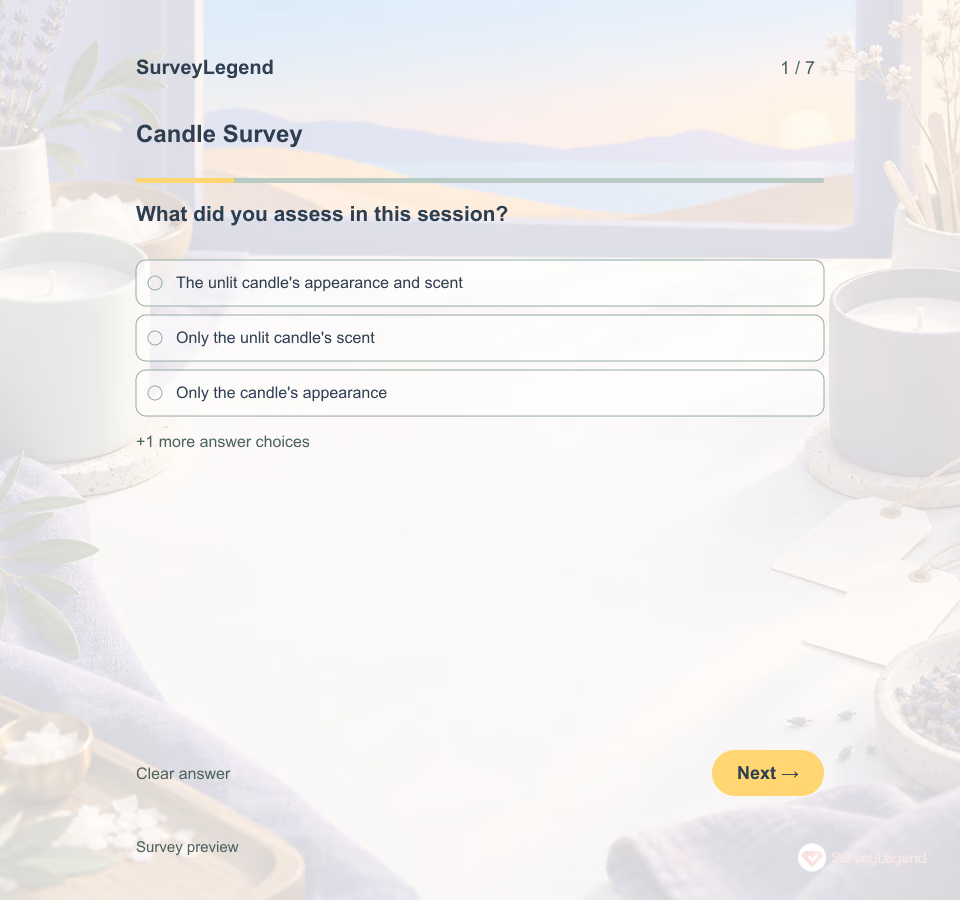 Candle Survey Template A candle survey can help a maker understand first impressions of a specific scent and design. This example asks adults about one unlit sample, with separate questions for fragrance and appearance. Use it at a planned concept review or sample-feedback session. It records preferences at that moment; it does not measure how the candle burns or how far its scent travels in a room.
 -
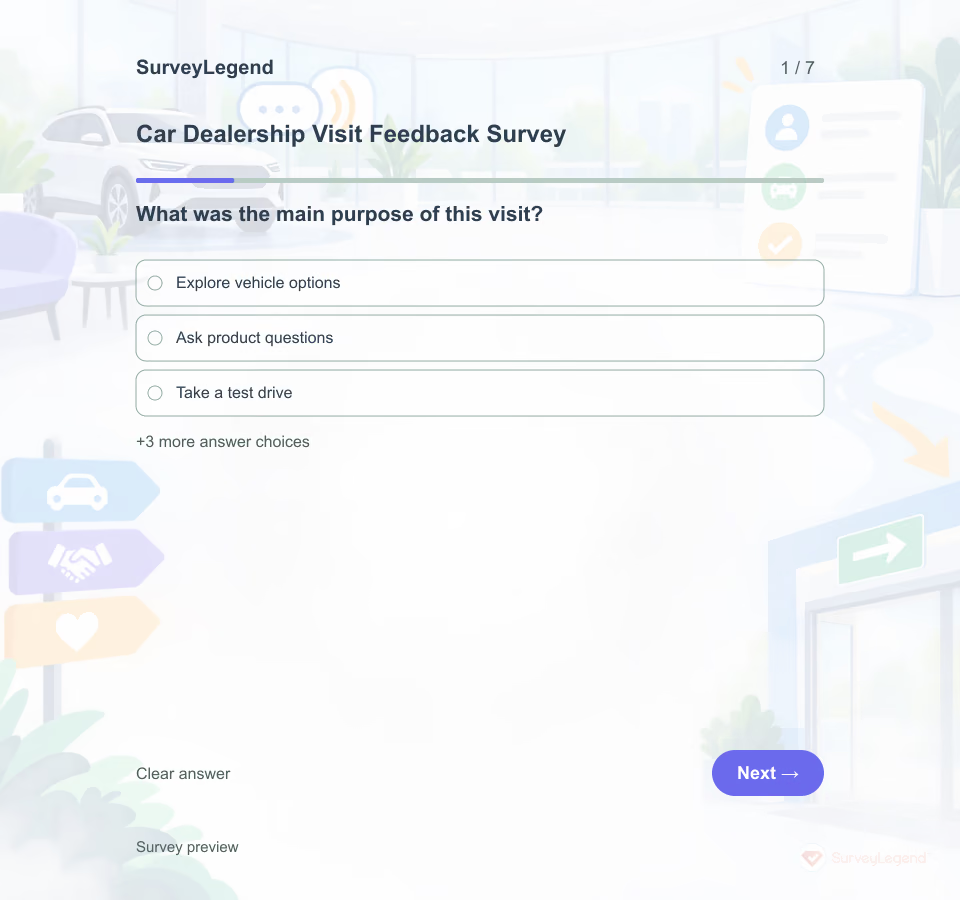 Car Dealership Visit Feedback Survey Template A car dealership visit feedback survey asks prospective or recent buyers about one sales interaction. The useful unit of analysis is the visit itself: what the visitor needed, how the conversation felt, whether information was understandable and whether the next step was clear.
 -
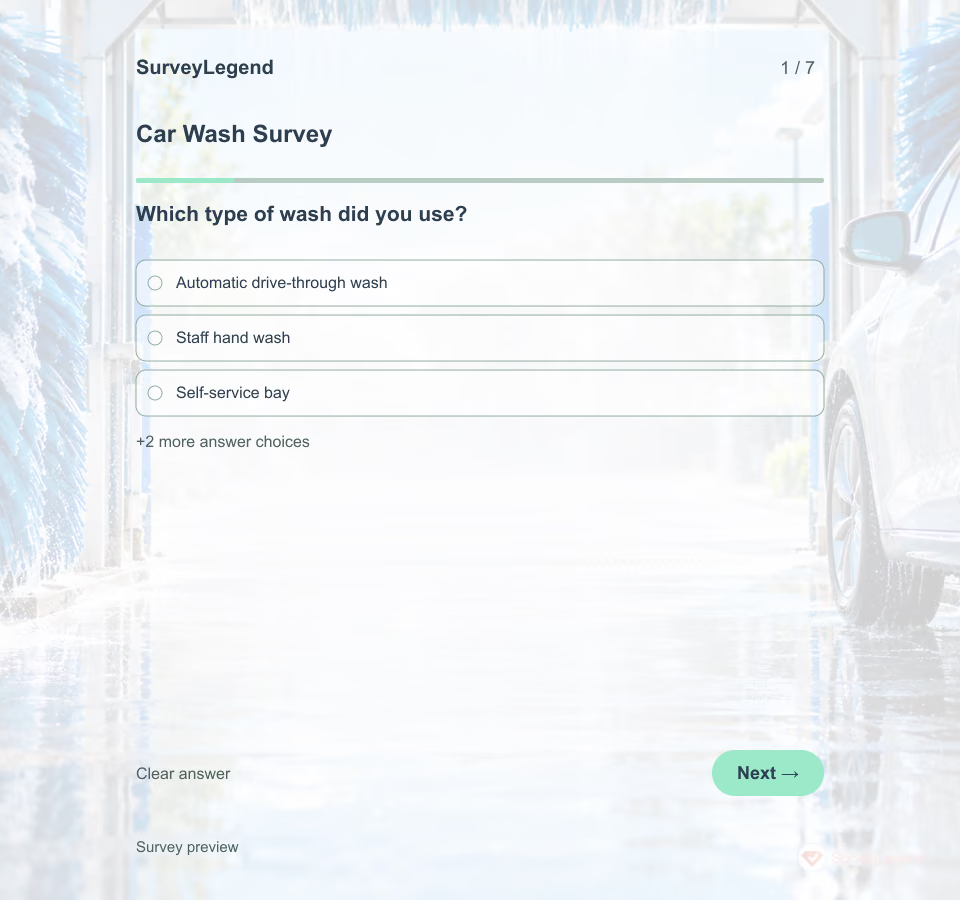 Car Wash Survey Template A customer may understand the package but struggle with the entry instructions, or find the service easy to use but be unhappy with the result. Separate these parts of the visit so feedback points to a specific action.
 -
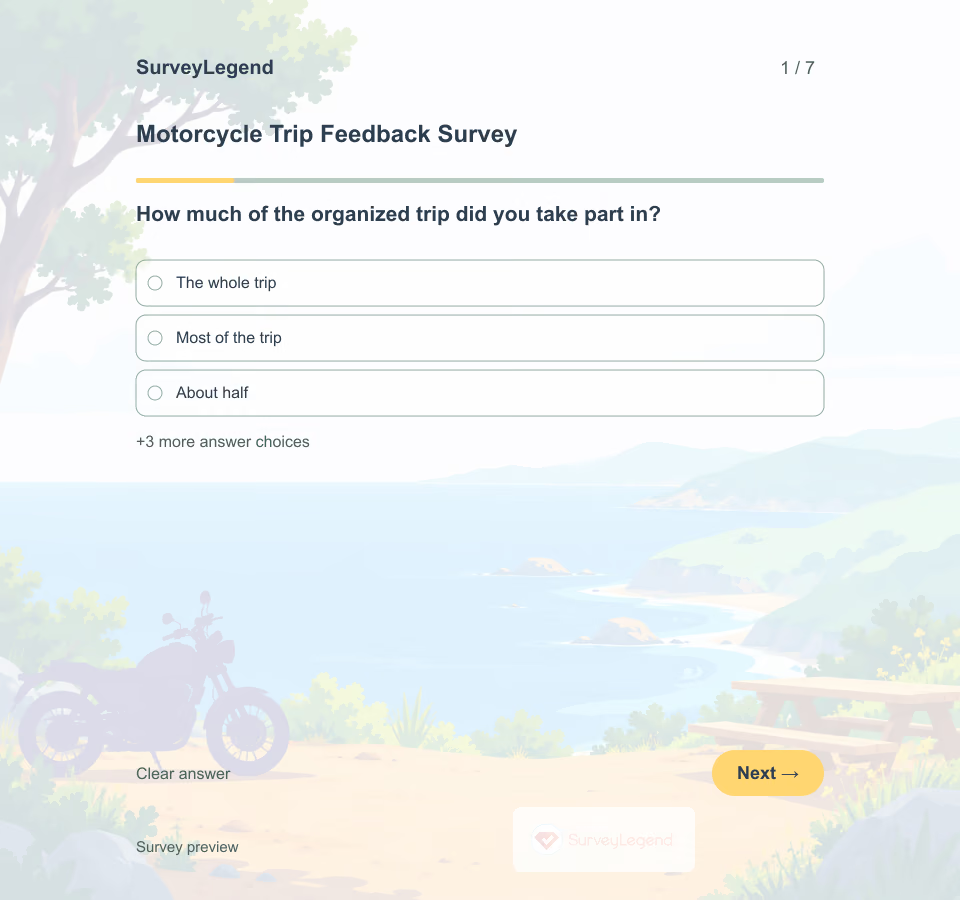 Motorcycle Trip Feedback Survey Template Send the survey after riders have finished and parked, with the trip name and dates in the introduction. A memorable route and clear practical information are different parts of the experience. SurveyLegend's example helps organizers hear about both without asking participants to judge a route's technical safety.
 -
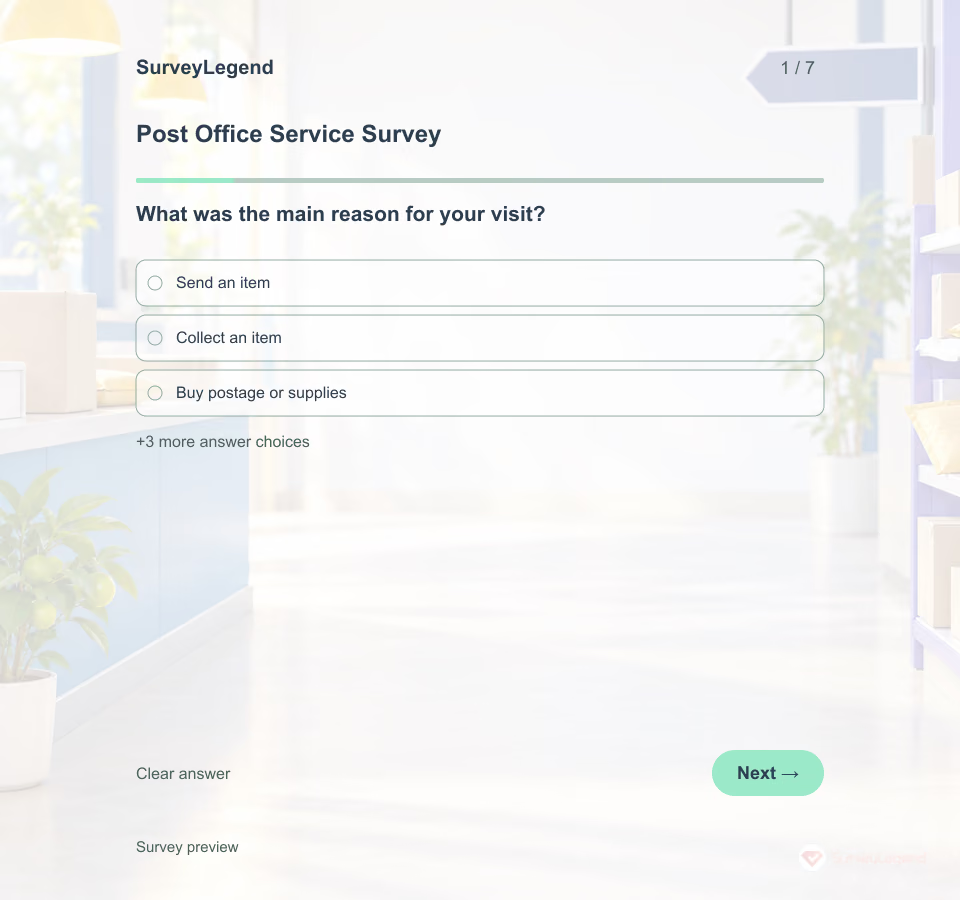 Post Office Service Survey Template An efficient visit depends on more than how long a customer waits. This SurveyLegend questionnaire asks where the process was clear and where someone needed more help.
 -
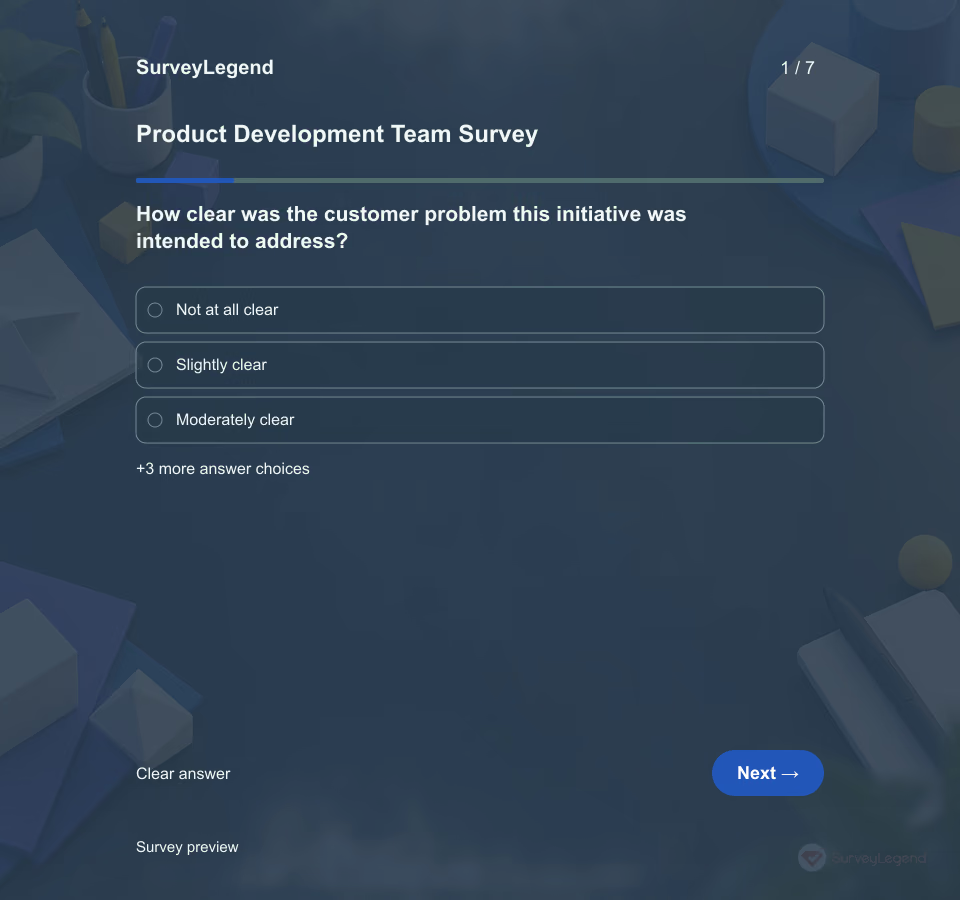 Product Development Team Survey Template Product work can stall when people understand the goal but cannot find the evidence or decision owner they need. This SurveyLegend questionnaire separates those obstacles and asks the team to identify one change worth trying in the next cycle.
 -
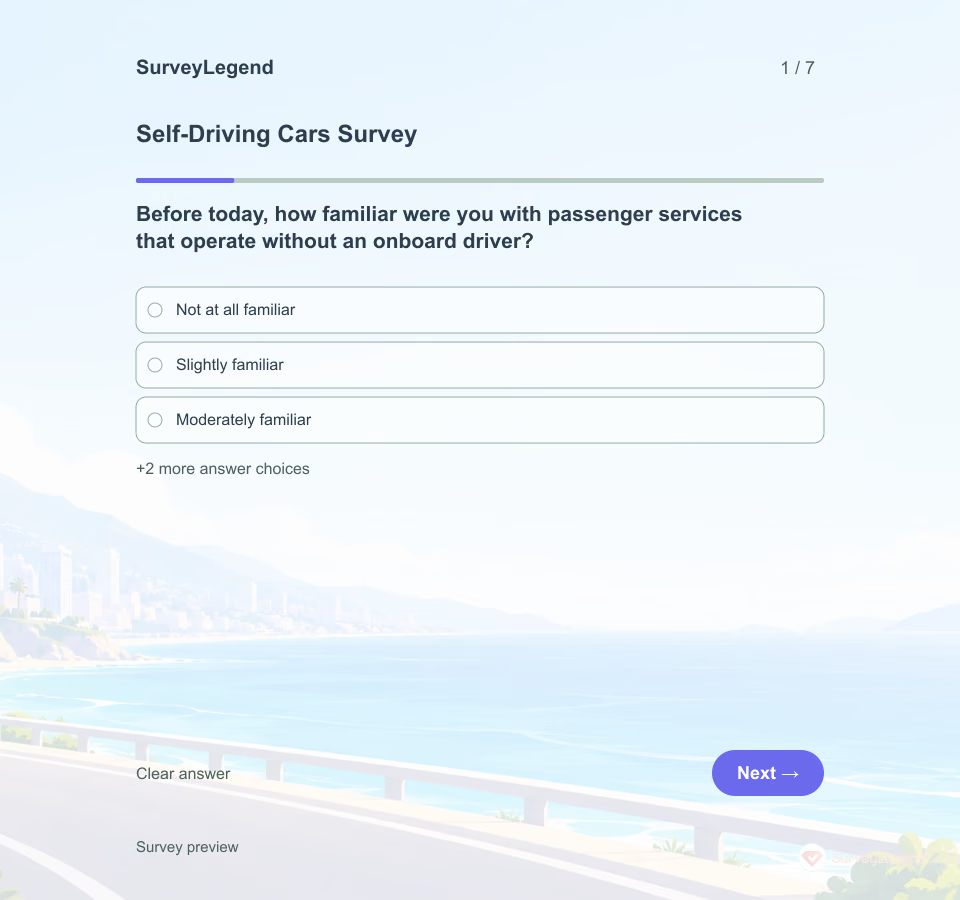 Self-Driving Cars Survey Template People may picture very different technologies when they hear “self-driving.” This SurveyLegend questionnaire starts with one hypothetical passenger-service scenario so respondents are reacting to the same idea.
Free survey maker
Start creating surveys today for free
Create and bring your ideas to life with the survey tool used by people all over the world.
Ready to collect better research data?
Create academic surveys and questionnaires from ready-made templates.