

Employer Labor Market Survey Template
Where are employers hiring, and which openings are difficult to fill? Use this seven-question SurveyLegend template to collect a consistent local snapshot.

Where are employers hiring, and which openings are difficult to fill? Use this seven-question SurveyLegend template to collect a consistent local snapshot.
An open position and a recent hire tell different stories. A business may have filled several jobs last month and still have vacancies today. Ask about both before planning employer outreach or discussing training needs.
When to Use This Template
Use this questionnaire with a chamber of commerce, workforce partnership, or employer network. One authorized representative should answer for one establishment. Define the local area and reference date before sending invitations. For a broader research plan, SurveyLegend's market research overview can help frame the audience and decision.
7 Employer Labor Market Survey Questions
Please answer for one establishment in the stated area. Use the published reference date and calendar month. An open position means an unfilled job for which this establishment is actively recruiting outside applicants. Report hires who actually started, not offers or internal transfers. Every question is optional. Do not include applicant names or confidential recruitment details.
A little feedback. A clearer picture.
Explore this 7-question example at your own pace. Every question is optional.
Employer Labor Market Survey
Thank you for trying the survey!
You’ve tried the template from the respondent’s side. Make it your own with SurveyLegend.
Create your own surveyChecking submission availability…
This is a demo. We count starts and submissions only. Your answers stay in your browser and are never sent or saved.
Activity · no starts yet
How to Adapt the Questionnaire
Replace the industry list with locally meaningful, mutually understandable sectors. Display exact dates instead of 'recently.' Keep the vacancy definition unchanged across establishments and repeat rounds. State who can access establishment-level answers and how small groups will be protected. Set one invitation per site through the outreach process; the questionnaire alone does not prevent duplicates. Keep every item optional.
When to Ask
Send shortly after the reference month closes, when staffing records are available. Give every employer the same response window. A later answer must still refer to the stated date and month. Recontact the same participating establishments if you want a comparable follow-up; describe changes in participation alongside any apparent trend.
How to Use the Responses
Report how many establishments answered each question. Keep zero vacancies, missing answers, and 'not sure' separate. Counts are bands: do not add midpoints and label the result an exact number of jobs. Group named roles consistently, then compare reported duration and obstacles within sufficiently large sectors. A staffing coordinator can follow up on recurring approval delays while a workforce partner investigates qualification needs. These are employers' accounts, not verified causes. Without a designed representative sample and appropriate denominators, do not publish a local vacancy rate or unemployment estimate.
What the Research Adds
Davis, Faberman, and Haltiwanger's 2013 study examines “vacancies, hires, and vacancy yields” using establishment-level U.S. employer data. The University of Maryland abstract describes differences across employer characteristics and industries. That distinction informs this template's separate vacancy and hire questions. The study does not validate these seven questions or make participating businesses representative of a local economy. Read the vacancies and hiring study .
Frequently asked questions
Can this estimate local unemployment?
No. These questions describe participating employers. Unemployment estimates require information about people and a suitable population survey design.
Why ask about vacancies and hires separately?
Vacancies are unfilled positions at a point in time. Hires are people who started during a period. One cannot be substituted for the other.
Should a company with several locations respond once?
Use one response per establishment if that is the declared unit. State the rule in the invitation and keep it consistent across rounds.
Printable Employer Labor Market Survey
Provide all seven questions with industry and count-band checkboxes, role-writing space, and the exact reference date and month printed above the questions. Include 'no open role' options so paper respondents need no routing. Paper responses need separate review or manual entry; they are not automatically added to online results.
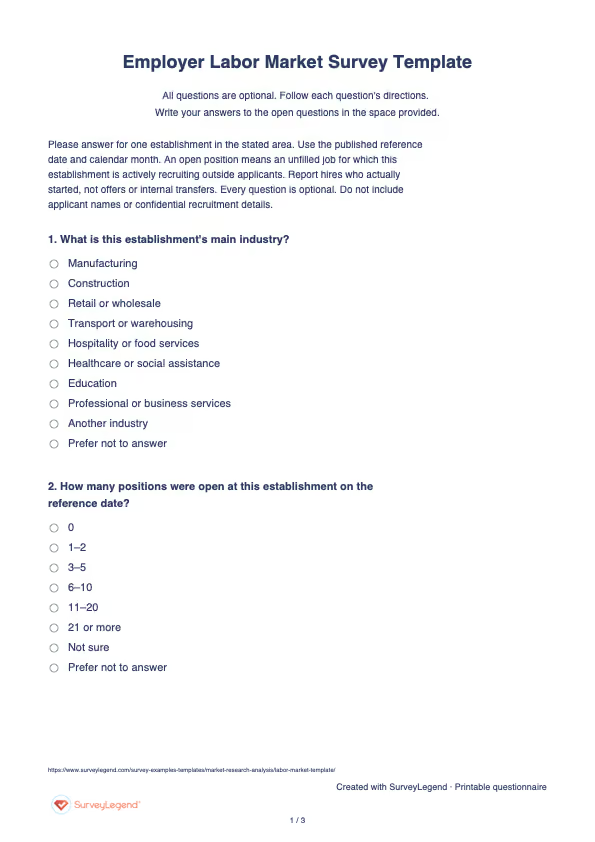
 Download the questionnaire
 AI Prompt: Employer Labor Market Survey
Copy this employer labor market survey prompt into an AI assistant to prepare the questionnaire. Review the result, then build and customize it in SurveyLegend. It does not automatically create or transfer a survey.
Employer Labor Market Survey Prompt
Copy the prompt into an AI assistant to draft the questions, then build your survey in SurveyLegend.
Sign in to SurveyLegend to build your employer labor market survey
-
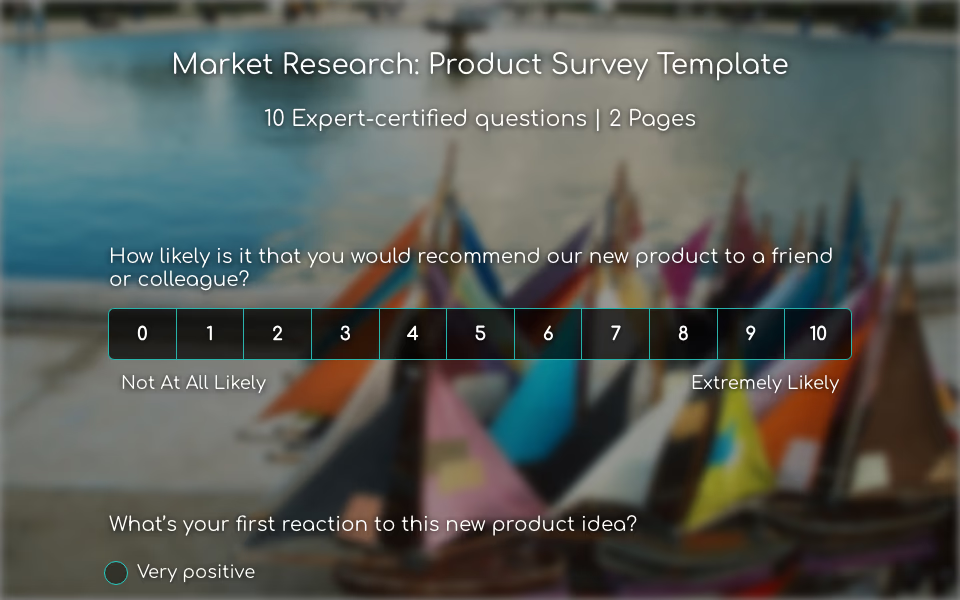 Product Survey Template Every time a new product is going to be launched on the market, the producers should make sure that it is going to be well-received by the consumers who are going to use it. Therefore, doing fundamental pre-launch market research is always an inevitable must. Analyzing the survey data collected during this research can provide actionable feedback and actionable insights that guide product development and enhance customer satisfaction.
 -
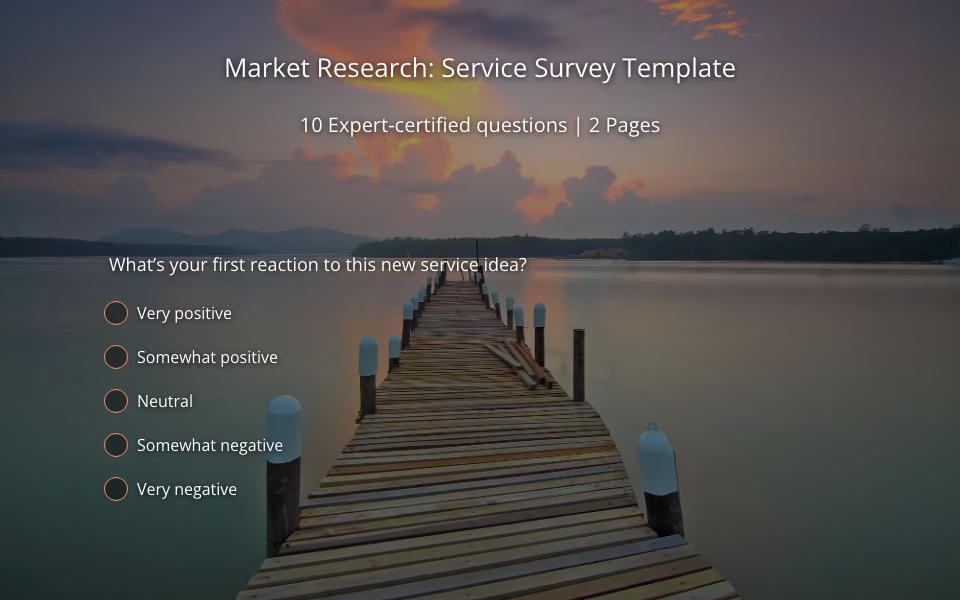 New Service Survey Template Thinking of launching a new product or service? Asking your audience what they think before you roll it out is one of the smartest moves you can make, especially if you can hear directly from your most loyal customers. It is something every company should do before bringing a brand-new service to the market.
 -
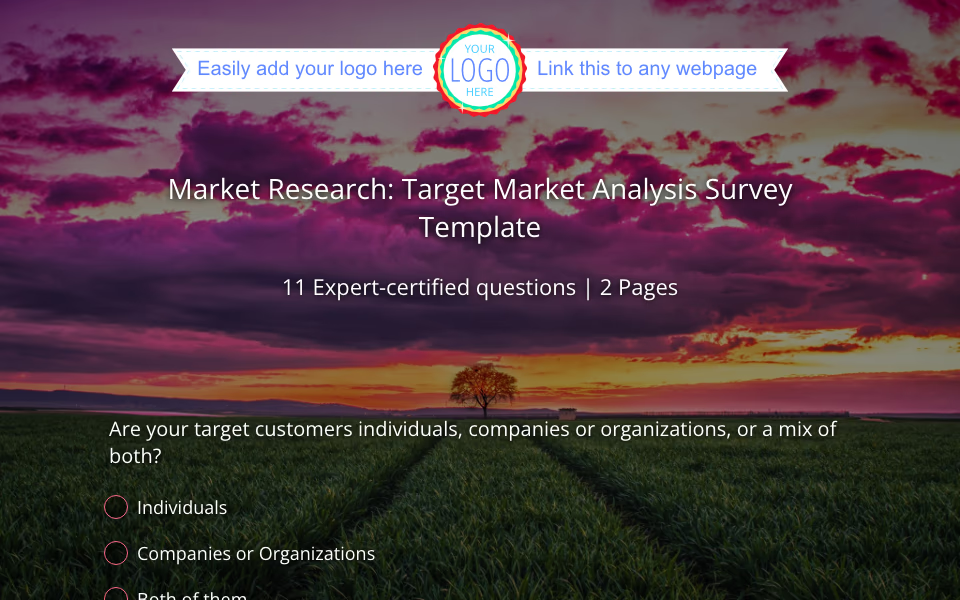 Target Market Analysis Survey Template Every smart marketing consultant needs the right tools to dive deep into a client’s target market—and that starts with asking the right questions. Whether you are offering professional services to others or trying to understand your audience, you need reliable insights to shape strategy.
 -
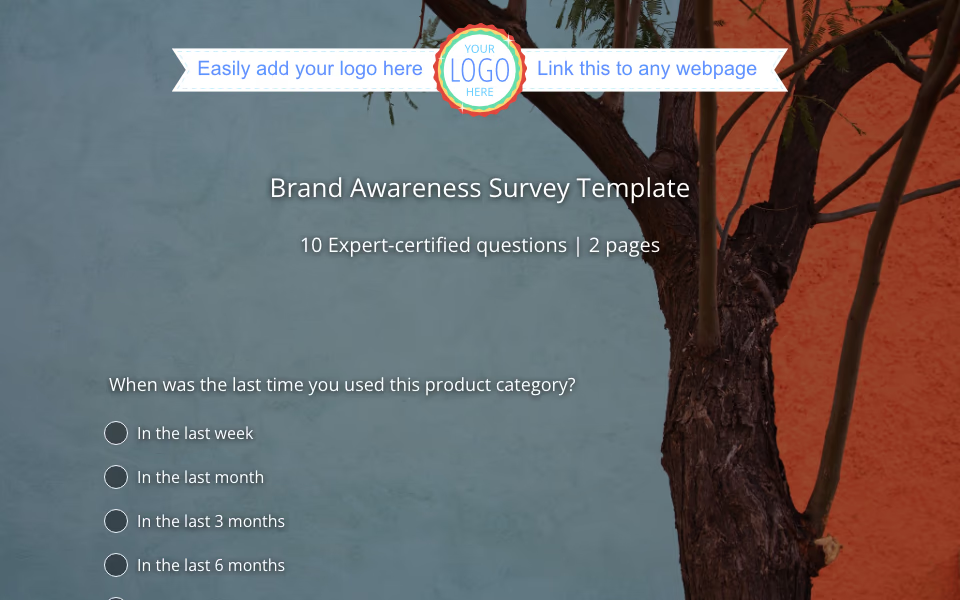 Brand Awareness Survey Template These days, we live in a global economy. People scroll through international news, wear clothes made on different continents, and dine on dishes from all over the world. It’s exciting, but it also ramps up the pressure on brands. With fierce competition, having a strong presence through a brand perception survey is more important than ever. It helps ensure your business stays relevant—not just now, but well into the next decade, whether you’re focused on local reach or global growth.
 -
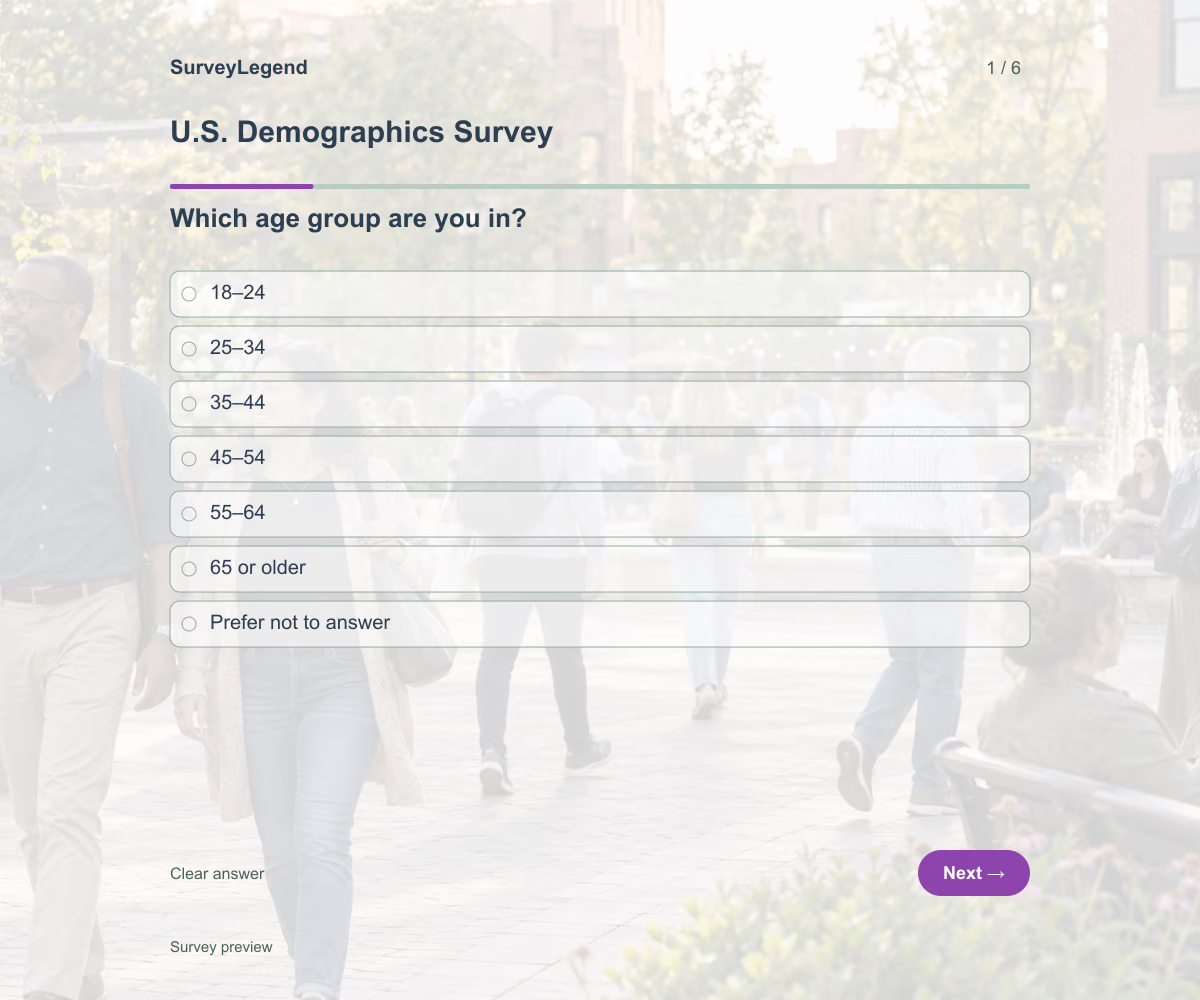 U.S. Demographics Survey Template This U.S. demographics survey template helps you describe the adults who respond to your research. Its six optional questions cover age, location, education, work, household size, and household income. Choose the characteristics that serve your research question, then create your questionnaire with SurveyLegend.
 -
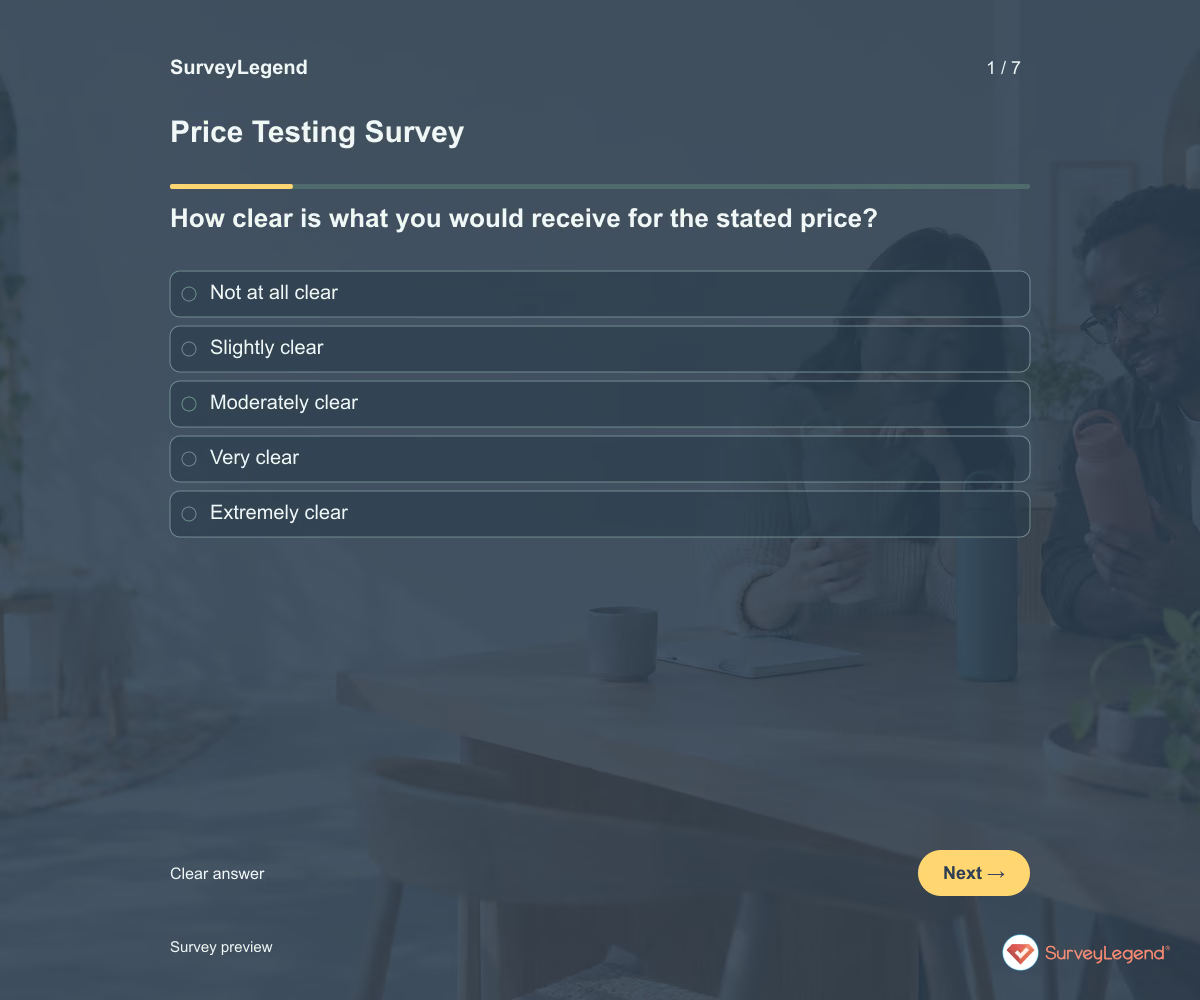 Price Testing Survey Template Use this price testing survey template to understand how potential buyers react to a specific offer at a stated price. The questions cover offer clarity, perceived value, purchase intention, and reasons for hesitation. Create your version in SurveyLegend before deciding which pricing assumptions need a closer test.
 -
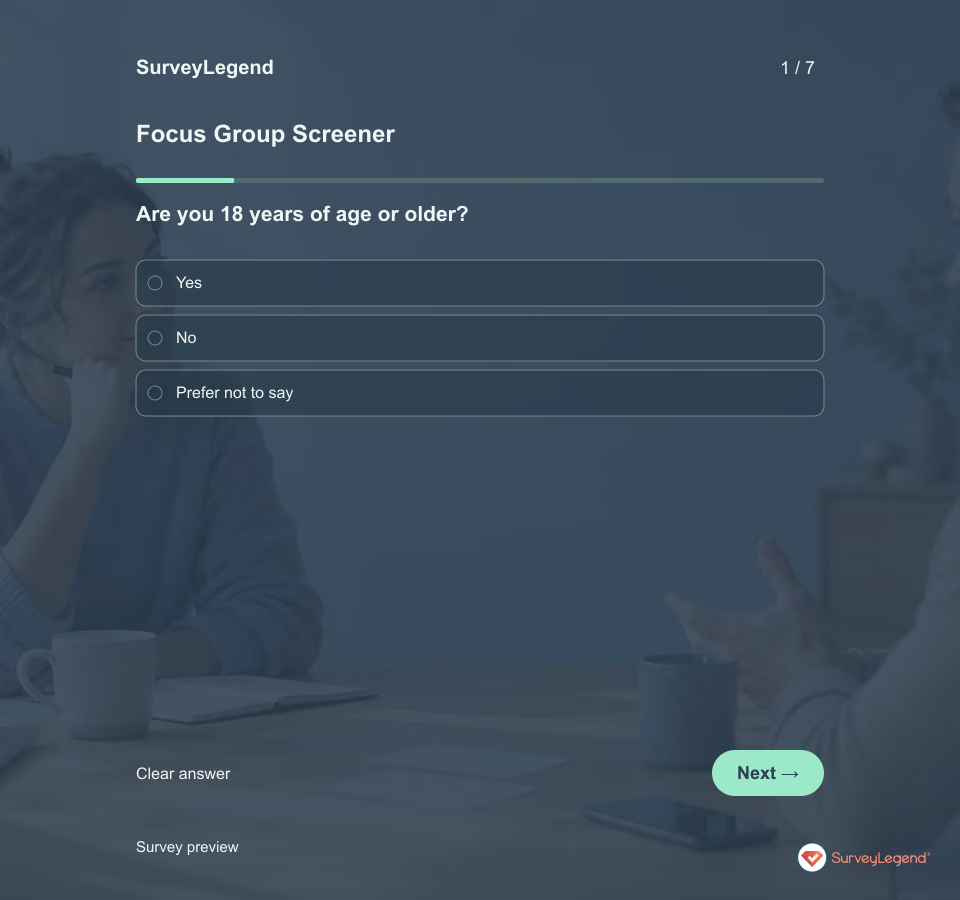 Focus Group Screener Template A useful discussion starts with the right mix of participants. Define whose experience you need before recruiting. A screener helps identify that experience; it does not make a small discussion group representative of an entire market.
 -
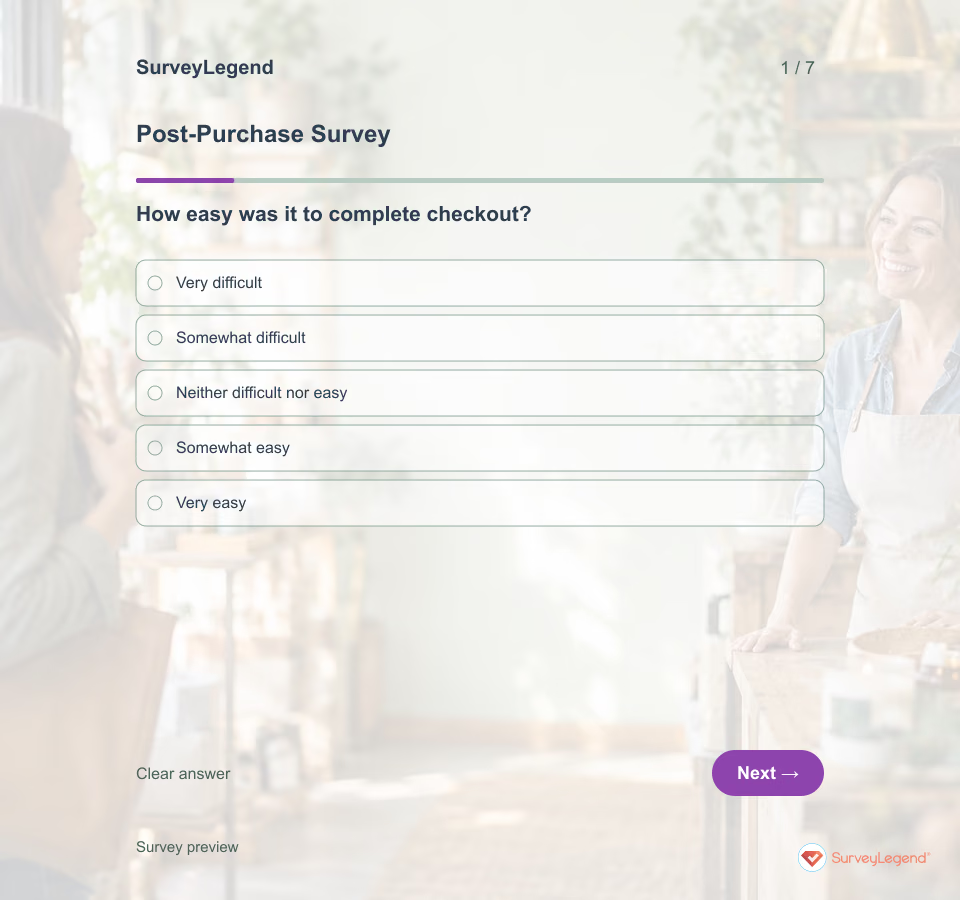 Post-Purchase Survey Template A completed order does not mean every step was easy. Buyers may have worked around a confusing field or an unexpected cost. Ask while the transaction is fresh, before delivery or product use becomes part of the story.
 -
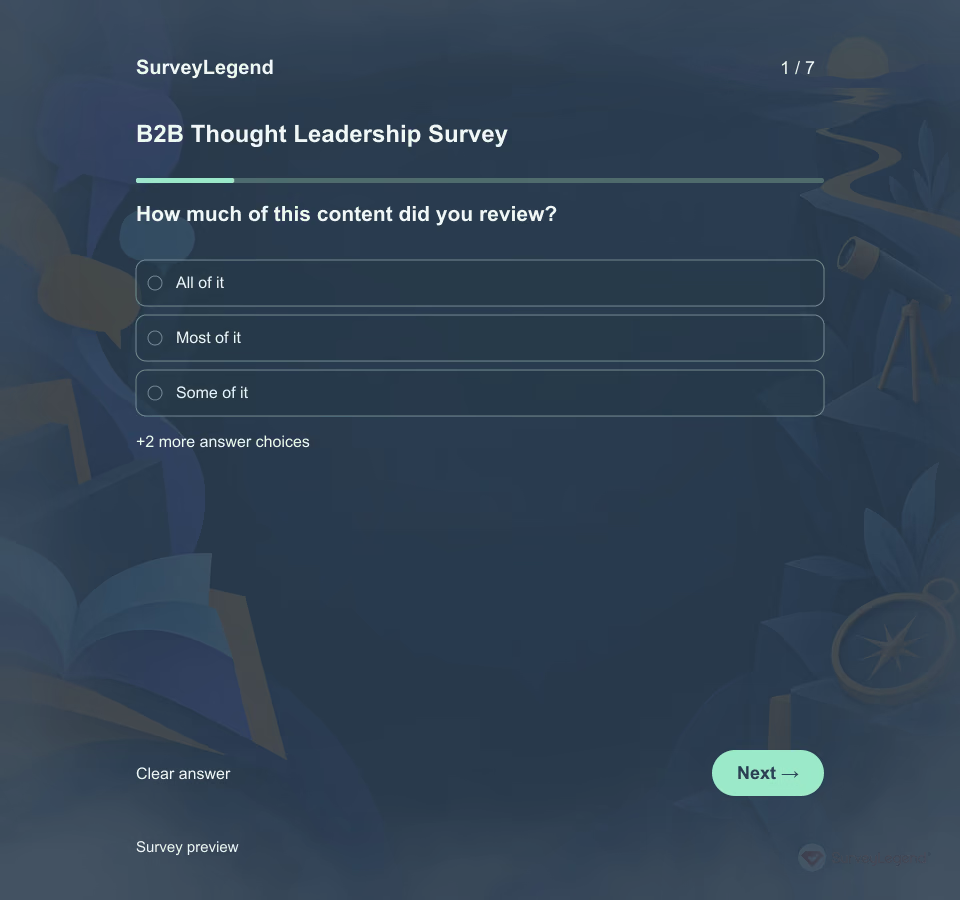 B2B Thought Leadership Survey Template A report can introduce an interesting idea without helping someone make a decision. Ask what readers understood and could use before treating attention as proof of influence.
 -
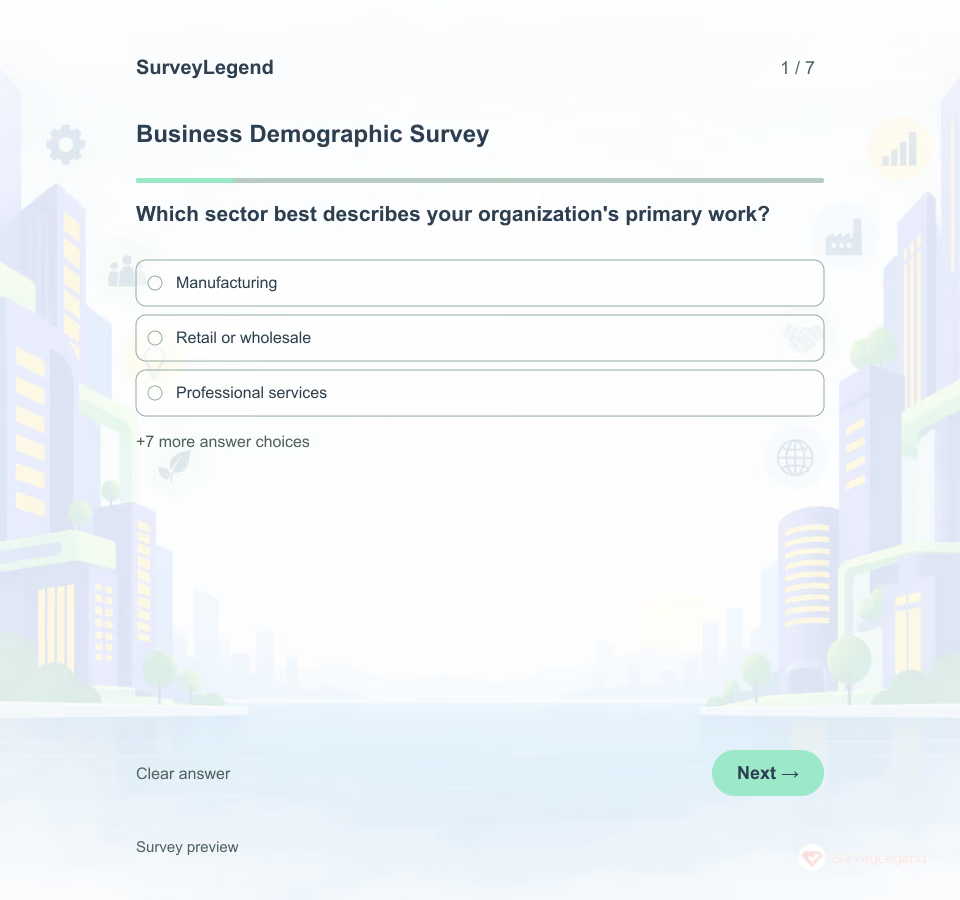 Business Demographic Survey Template A buyer survey can sound decisive while overrepresenting one type of organization. SurveyLegend helps researchers collect a small set of business characteristics and report whose answers they actually received.
 -
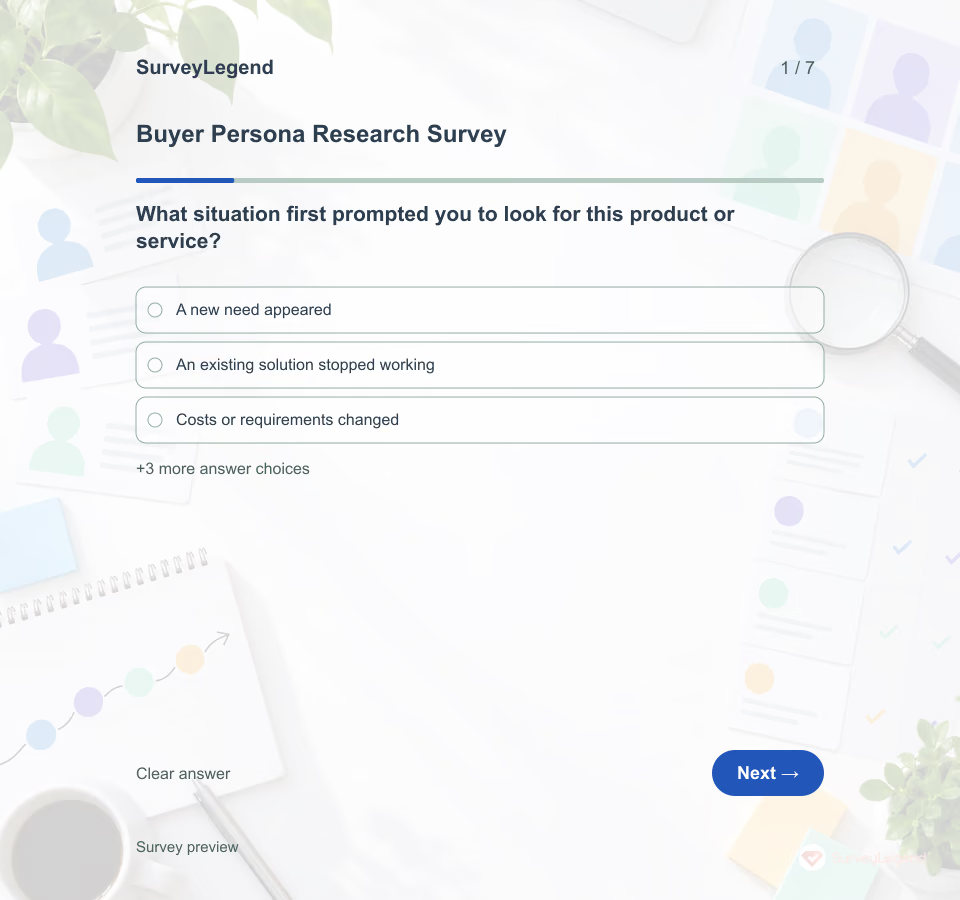 Buyer Persona Research Survey Template Send this seven-question survey soon after a completed purchase, while the decision journey is still reasonably easy to recall. It works best when every respondent is answering about the same product category and a clear recent time window.
 -
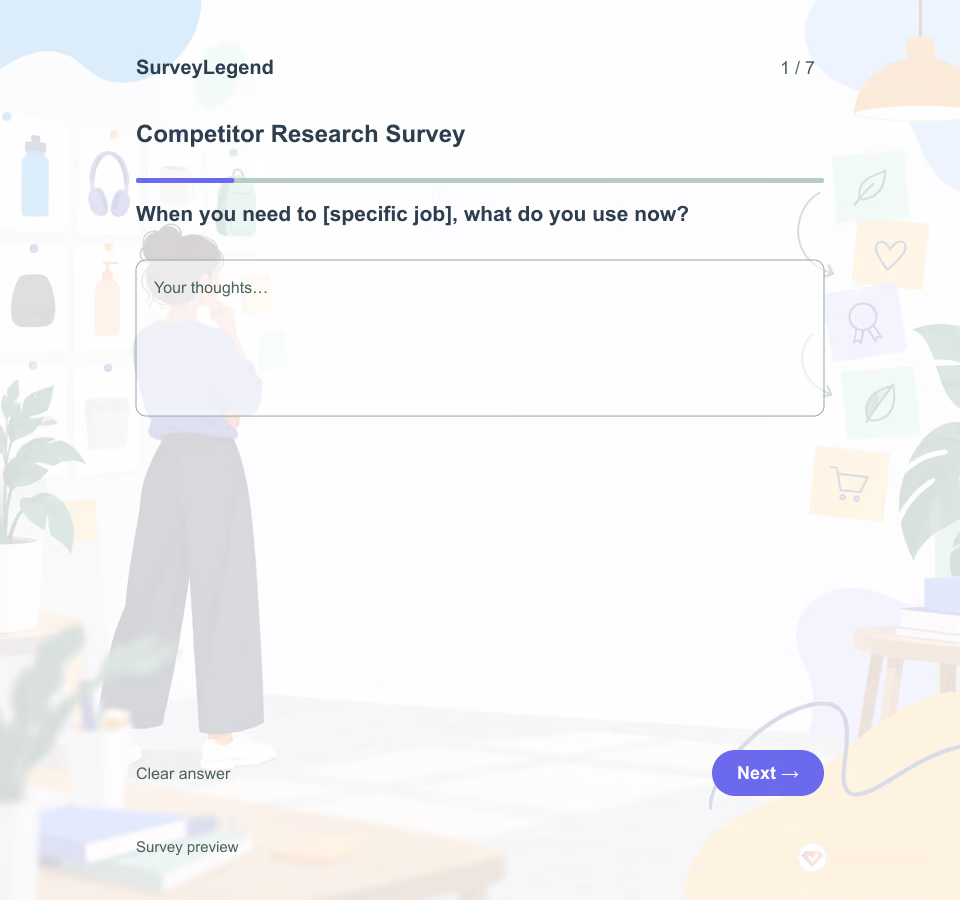 Competitor Research Survey Template This survey asks buyers about real alternatives and trade-offs. It is distinct from estimating an entire market or rating an owned product. Explore related product testing and market research.
 -
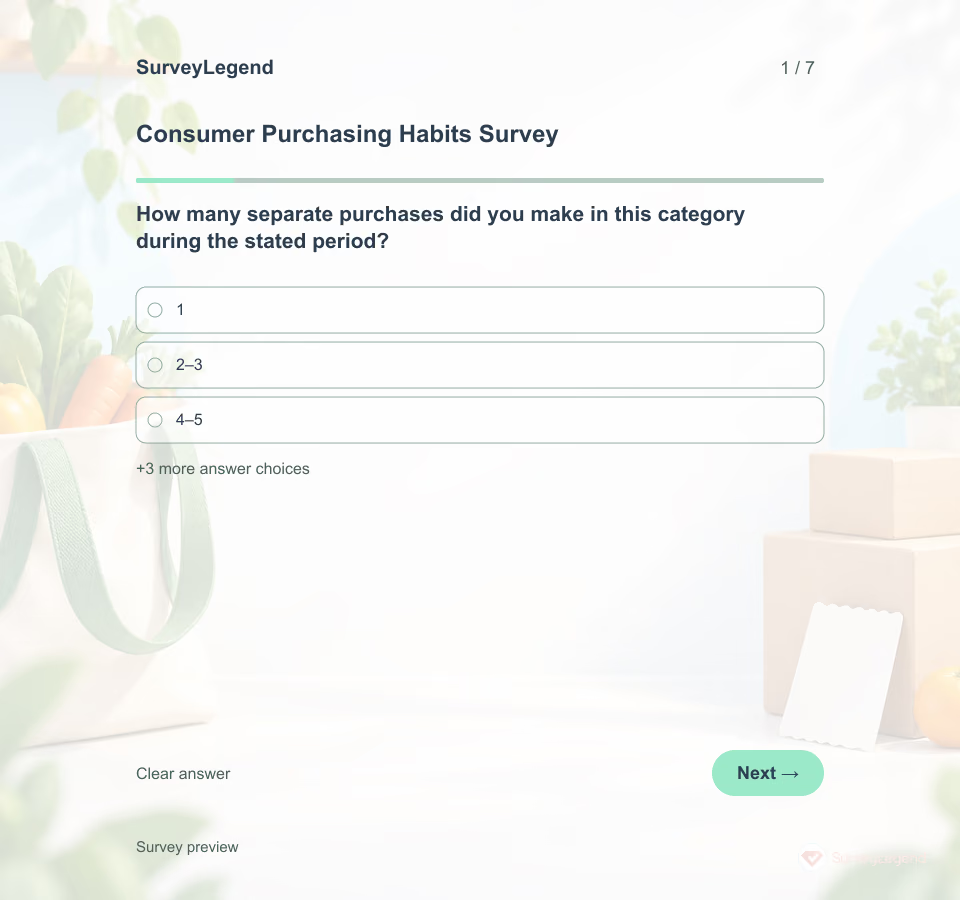 Consumer Purchasing Habits Survey Template “How do you usually shop?” leaves plenty of room for interpretation. This SurveyLegend template starts with a defined category and period, then asks about the latest purchase. That combination helps separate a broad frequency estimate from the details of a particular buying occasion.
 -
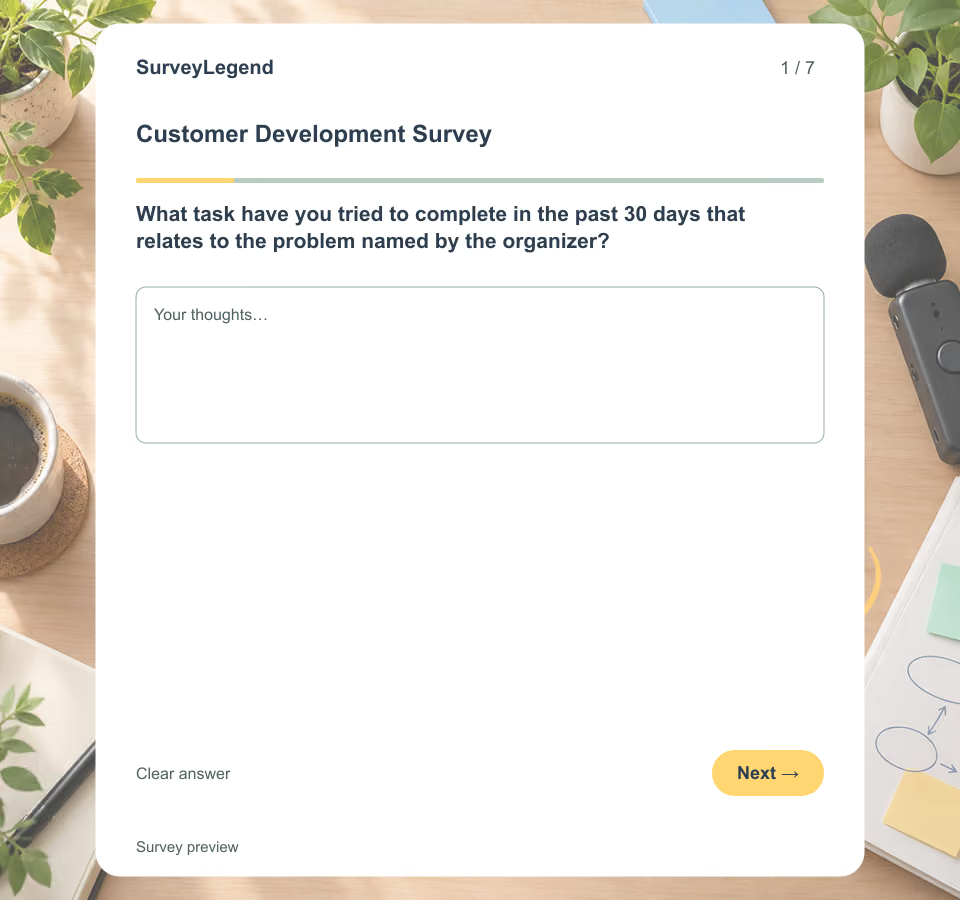 Customer Development Survey Template Customer development starts with how people handle a real task now. Ask about the most recent attempt, the workaround and the consequence before describing a solution. This survey can reveal patterns worth interviewing about; it does not prove product-market fit.
 -
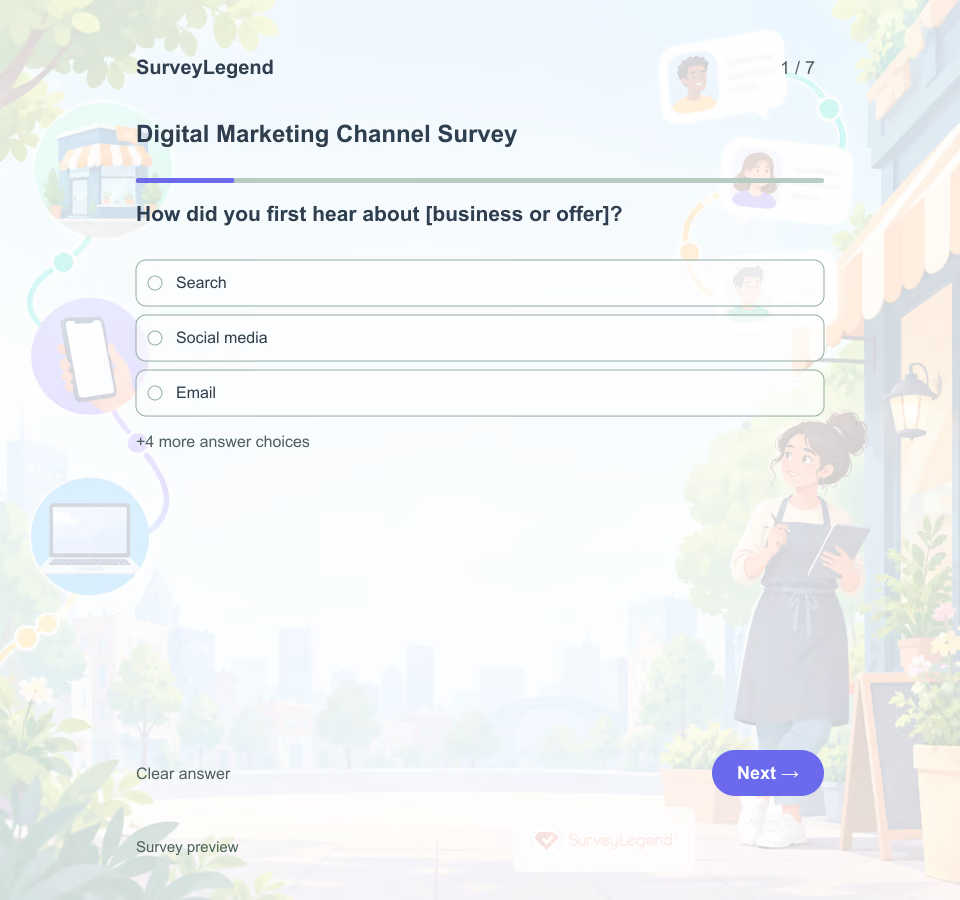 Digital Marketing Channel Survey Template A digital marketing survey should ask customers about discovery, evaluation and preferred contact separately. It is not a performance report from campaign analytics. Explore related market research and customer surveys.
 -
 Market Potential Survey Template This survey is a directional needs check for one product concept and market. It cannot estimate total addressable market from a convenience sample. Related SurveyLegend material: product testing and market research.
 -
 Online Shopping Attitudes Survey Template Someone may enjoy browsing online but still want to see a product in person before buying it. Another shopper may value speed more than discovery. This SurveyLegend example helps retail researchers separate those attitudes instead of treating every online visit as an unfinished purchase.
 -
 Path to Purchase Survey Template The place a customer paid is only one part of the buying journey. This SurveyLegend questionnaire asks about the earlier need, information search and comparison so you can understand what a receipt alone cannot explain.
 -
 Shopper Insights Survey Template A shopper may enter with a list and leave with a substitute, an extra item or neither. SurveyLegend helps retail teams ask about a recent trip in enough detail to improve the shelf, information and route to a decision.
 -
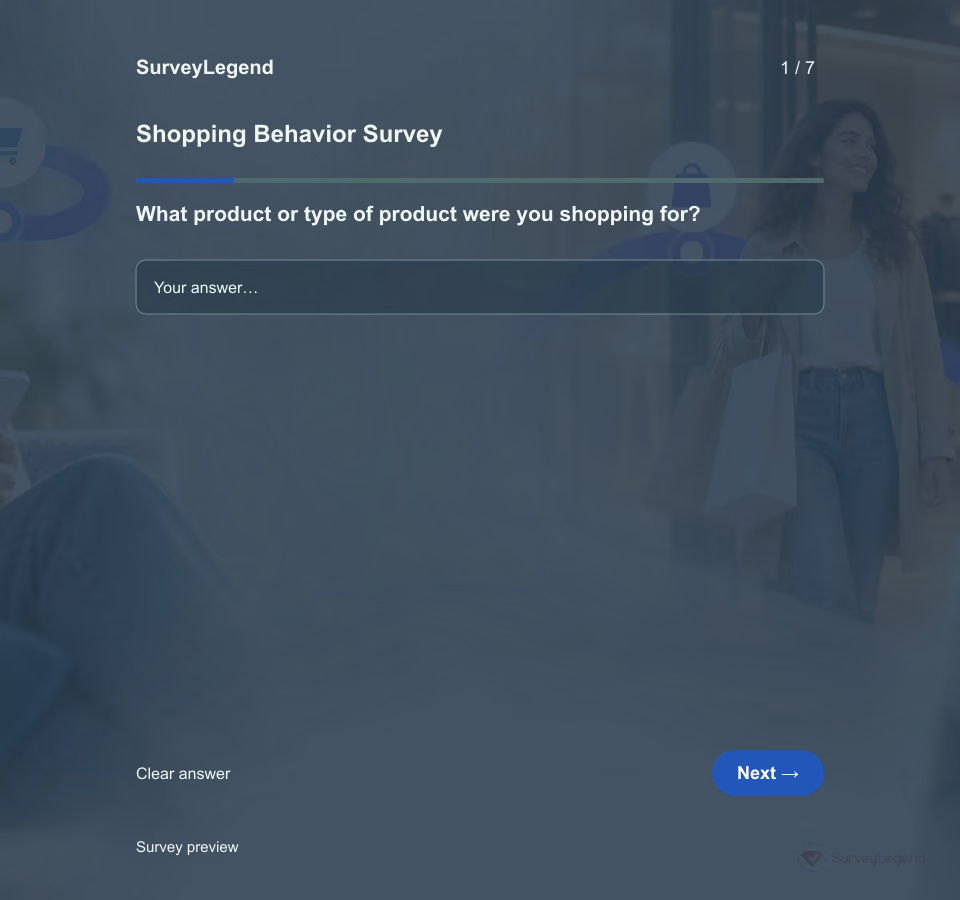 Shopping Behavior Survey Template General questions about “how you shop” invite guesses and averages. Ask respondents to think about their most recent relevant purchase during a defined period. A concrete journey makes it easier to connect discovery, comparison channels, the final purchase or abandonment and the reason the path changed.
Free survey maker
Start creating surveys today for free
Create and bring your ideas to life with the survey tool used by people all over the world.
Ready to collect better research data?
Create academic surveys and questionnaires from ready-made templates.